
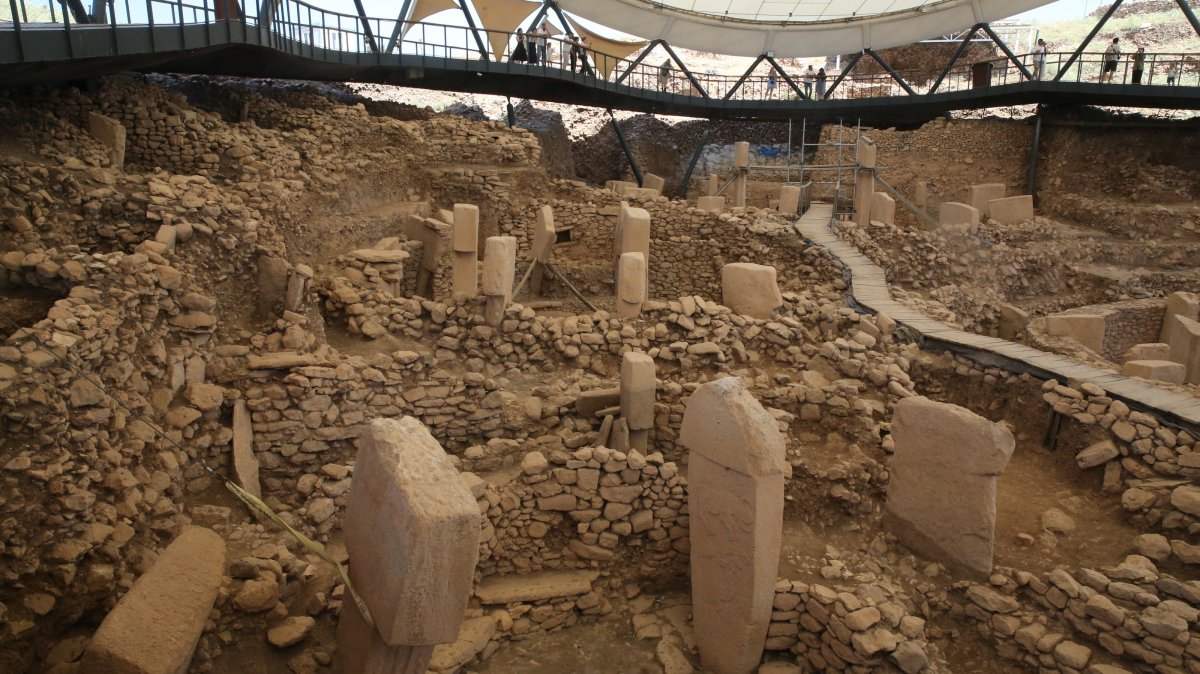
Archaeological excavations in Şanlıurfa, Türkiye, are transforming the region into a cultural tourism hotspot. With twelve key sites, including the renowned Göbeklitepe and other significant locations like Karahantepe, Sayburç, and Çakmaktepe, these endeavors are unearthing a trove of historical treasures that shed light on early human civilization.
The Impact of the Taş Tepeler Project
Currently, extensive work is being carried out at various Neolithic sites under the auspices of the Taş Tepeler Project, translating to “Stone Hills” in Turkish. This ambitious six-year initiative is notable for being one of the largest archaeological projects undertaken in Türkiye’s history. The Ministry of Culture and Tourism coordinates the excavations, focusing on sites such as Göbeklitepe, Karahantepe, Çakmaktepe, and several others, including Ayanlar and Sefertepe. This collaborative research involves both local and international experts from countries including China, the U.K., Germany, and Japan, and aims to uncover insights into the lifestyles, rituals, and architectural innovations of the Neolithic era.
The highlight of this project is Göbeklitepe, recognized as a UNESCO World Heritage site and often referred to as the “zero point of history.” This ancient temple complex is believed to date back over 11,000 years, making it one of the earliest known religious structures in human history. It attracts not only scholars and archaeologists but also history enthusiasts from around the world.
Tourist Attraction and Cultural Significance
The allure of Şanlıurfa is evident through the experiences of its visitors. Aleks Tedro, who traveled from Poland with his wife, expressed their fascination with Göbeklitepe. “We came here because of the ancient stories associated with this site,” he shared. His journey was motivated by a deep interest in historical narratives—and his eagerness to explore ancient structures mirrors the sentiments of many who travel across the globe for similar reasons.
Another visitor, Ibrahim Kocakaya from Türkiye’s central province of Konya, echoed this sentiment, stating, “We are at the zero point of history.” For him and his family, learning about ongoing excavations is just as thrilling as visiting the historic sites themselves. They plan to return annually to witness the evolving discoveries in the area.
Enhancing Tourism and Regional Appeal
Aydın Aslan, the provincial director of culture and tourism for Şanlıurfa, emphasized the Taş Tepeler Project’s role in attracting both domestic and international visitors. He noted the importance of international promotional campaigns that are showcasing these ancient sites to broader audiences. The excavations not only highlight the region’s rich history but also encourage tourists to extend their stays, thereby positively impacting the local economy.
Aslan stated that the increased interest in these archaeological projects is likely to translate into longer tourism durations in the area. By promoting lesser-known sites alongside Göbeklitepe, the initiative aims to bolster Şanlıurfa’s status as a cultural tourism destination.
In summary, the ongoing archaeological work in Şanlıurfa is not just unearthing ancient relics; it is also significantly enriching the region’s cultural tourism landscape. With its diverse archaeological treasures and the collaborative efforts of local and international experts, Şanlıurfa is poised to become a beacon for history enthusiasts and travelers alike.