In recent developments concerning the Middle East, several key events involving Israel, Iran, and Lebanon have captured global attention. As tensions rise, the region’s geopolitical dynamics are shifting rapidly, with implications for international diplomacy.
IDF Activity in Southern Syria
The Israel Defense Forces (IDF) have reportedly engaged in military actions targeting southern Syria. This escalation marks a significant moment in ongoing conflicts in the area, particularly concerning Iran’s influence and the presence of Hezbollah. Such operations are aimed at disrupting military capabilities that threaten Israel. Observers see these strikes as a strategic maneuver within a broader conflict that extends beyond mere territorial disputes.
Diplomatic Tensions Surrounding Hezbollah
Amid these tensions, claims have emerged that Lebanese officials allege U.S. Ambassador Michel Issa is prepared to engage in dialogue with Hezbollah. However, Issa himself has dismissed these assertions, clarifying he holds no active talks but is open to discussions if they are meaningful. This highlights the complex balance of power in Lebanon and the ongoing hesitance among foreign diplomats to fully engage with Hezbollah, which remains an influential yet controversial force in the region.
Trump’s Shifting Stance on Iran
According to reports, former President Donald Trump is reconsidering his stance on negotiations with Iran, particularly regarding the June Memorandum of Understanding (MoU) that was previously deemed inadequate by several critics. Sources suggest Trump is pivoting away from previous terms, complicating the reestablishment of diplomatic ties. This shift has raised concerns among analysts who worry about a potential escalation in hostilities as diplomatic efforts continue to falter.
US Engagement in the Strait of Hormuz
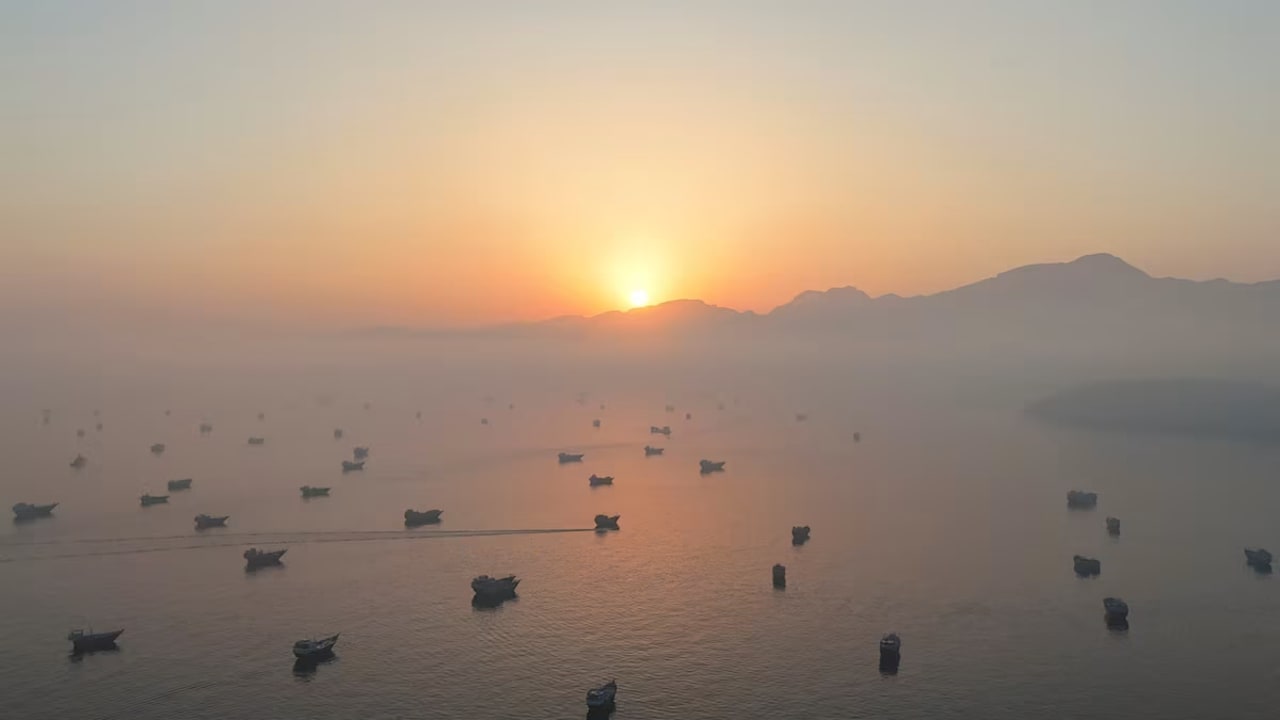
Amid ongoing tensions, U.S. forces maintain a significant military presence in the Strait of Hormuz, a crucial passage for global oil shipments. Recent data reveals that shipping traffic through the strait has dropped below the 10-day average, sparking worries about the implications for international commerce and stability in the region. U.S. Central Command has asserted that approximately 1,500 vessels have transited this vital waterway in recent months under American protection.
As we navigate these intricate situations, it becomes increasingly evident that the interplay of diplomacy, military action, and regional alliances will affect both local and global dynamics for the foreseeable future. The next steps taken by key players in this volatile environment will be crucial in determining the stability of the Middle East.