
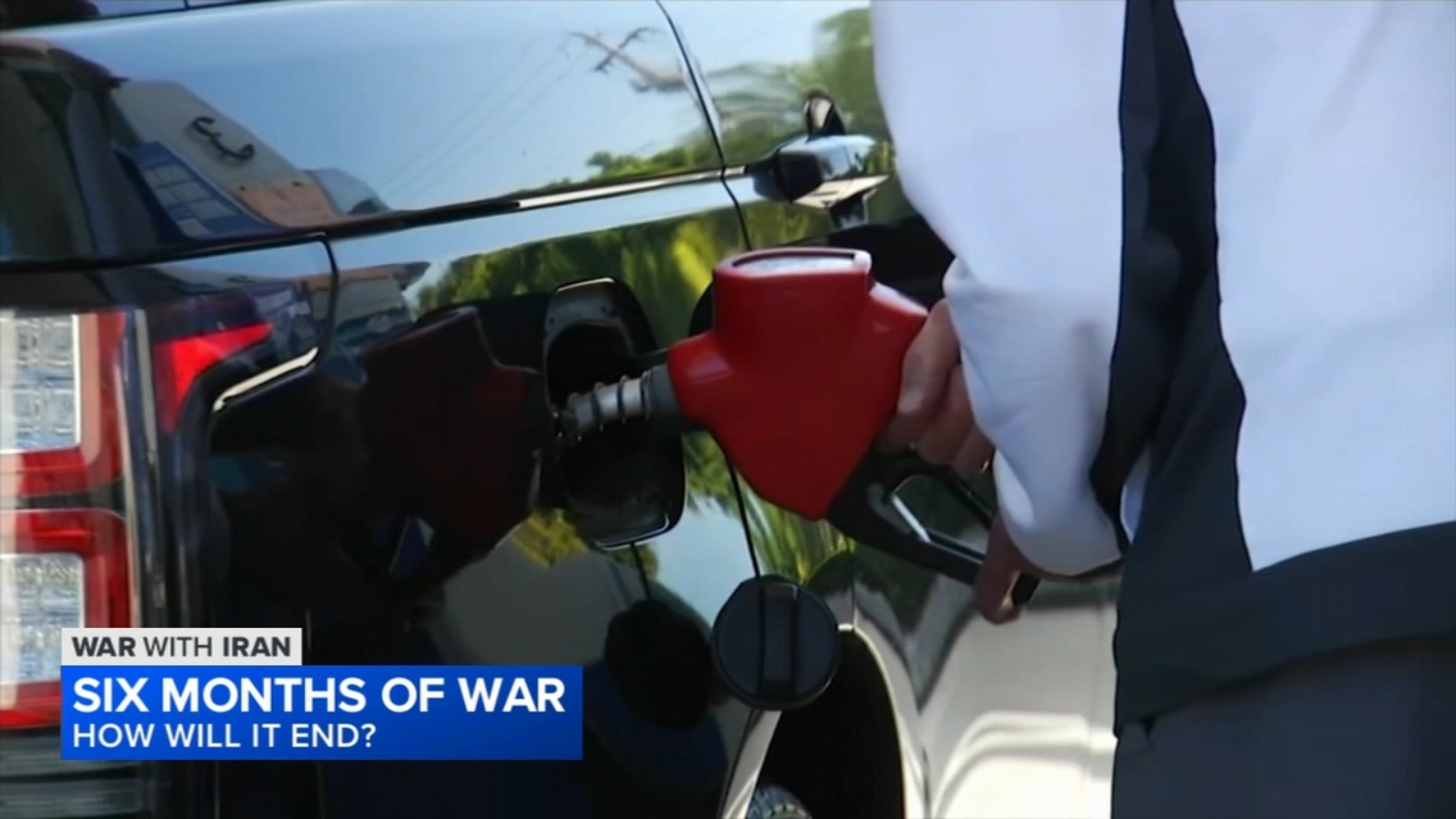
The ongoing conflict between the United States and Iran has entered its sixth month, leaving both human and financial scars. Experts and members of the Iranian American community in the Chicago area are expressing concern over the toll this war has taken on individuals and the economy. With the fighting showing no signs of abating, many are starting to question the effectiveness and rationale of this military engagement.
The Economic Impact of the War
Initially, many, including President Trump, anticipated a swift conclusion to the conflict. However, the reality has proven quite different, as the war persists and escalates its economic ramifications. Gas prices have surged, affecting everyday consumers, while billions have been spent in efforts that seem to yield little benefit. According to Ian Hurd, a political science professor at Northwestern University, the conflict has become a significant burden on both the American economy and the people of the region, with no decisive outcome in sight.
Despite months of military action, the Iranian regime has remained in power, and the strategic Strait of Hormuz has been disrupted, leading to a ripple effect that impacts global economies. The ongoing turmoil raises important questions about the long-term strategy of the U.S. and whether current efforts will result in meaningful change.
Human Costs of the Conflict
Beyond the economic toll, the human cost of the conflict has been staggering. Reports indicate that 18 U.S. service members have lost their lives, alongside hundreds of injured soldiers. The Iranian loss is even greater, with thousands reported dead, including many civilians such as school children. This stark reality is highlighted by the voices of Iranian Americans, like Manoocher Shadnia, who emphasize the grave suffering of ordinary people in Iran. Shadnia’s own brother has been unable to access his Parkinson’s medication due to the war’s impact on essential supplies, underscoring the personal tragedies that extend beyond the battlefield.
Shadnia insists that any meaningful change in Iran must come from within its borders rather than through external military intervention. He notes that historical attempts to resolve issues through military means have typically failed, and advocates for the Iranian people to address their own challenges.
The Path Forward
As the war drags on, discussions about the feasibility of diplomatic solutions are becoming more urgent. Hurd asserts that the current administration has alternatives and does not have to persist in a path that seems increasingly fruitless. Through diplomatic negotiation, a resolution may be achievable, allowing for a reprieve from the ongoing conflict.
One crucial factor in ending the war revolves around control of the strategic Strait of Hormuz. Hurd believes that if peace were to be restored, there would be a likely return to the status quo, benefiting both U.S. interests in maintaining energy flows and Iran’s desire to export its resources.
Looking ahead, the upcoming midterm elections in November could serve as a pivotal moment for the future of U.S.-Iran relations. However, obstacles remain, as domestic politics may complicate attempts to de-escalate the situation. As President Trump himself noted, he feels no urgency to resolve the conflict, which raises concerns about how long this war will continue and what the ultimate cost to both nations will be.