
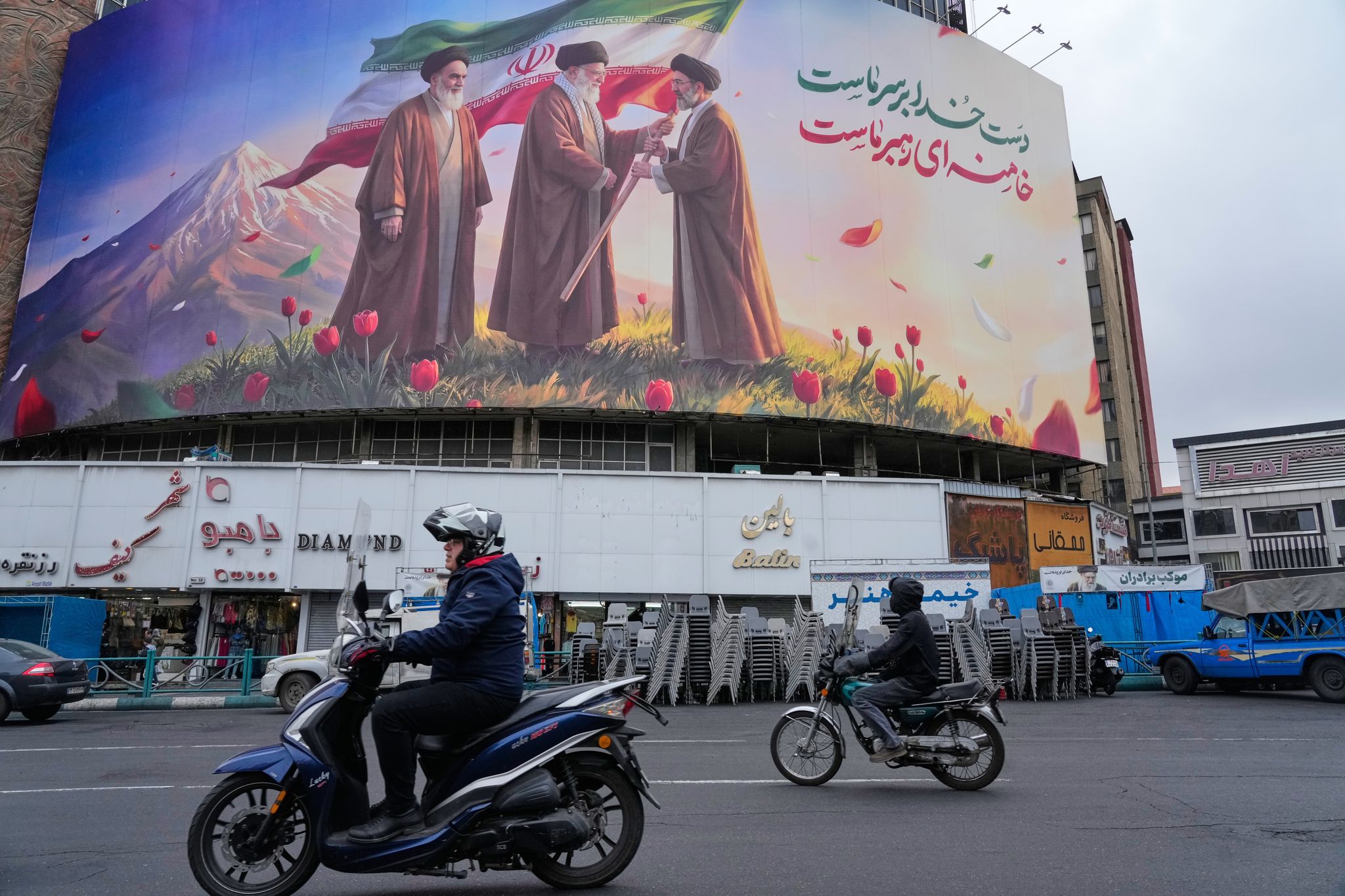
In recent months, Iran’s government has unified around a tight circle of military generals and clerics, establishing a formidable leadership ready for an extended confrontation with the United States. With a strong commitment to maintaining internal stability, these leaders aim to quash potential unrest amid escalating tensions both internationally and domestically.
Leadership Dynamics Amidst Conflict
The current Iranian leadership stands in stark contrast to former U.S. President Donald Trump’s early ambitions to dismantle the Islamic Republic. The expectations of a weakened Iranian administration have proven misguided, as the hardliners at the helm show little interest in negotiating with the U.S. Their skepticism is fueled by past experiences of violent attacks during discussions. The ongoing American sanctions and military blockades pose severe economic consequences, prompting Iranian leaders to adopt a staunch stance against external pressures.
Mohsen Rezaei, the newly appointed secretary of Iran’s Supreme National Security Council, has issued clear threats regarding the repercussions of U.S. actions. He conveyed that any continued economic warfare would lead to retaliatory measures, asserting that not a single drop of oil would leave the Persian Gulf under such circumstances. This illustrates the regime’s determination to enforce its will and respond aggressively to perceived threats from abroad.
Internal Control and Repression
Ayatollah Mojtaba Khamenei’s recent leadership appointments include individuals with deep ties to Iran’s security infrastructure, particularly focusing on military figures who have shown unwavering loyalty to the regime. Rezaei’s positioning, alongside Hossein Taeb, who leads the Basij militia known for suppressing dissent, highlights the administration’s priority of stifling internal discontent. The Basij’s role during past uprisings illustrates the regime’s readiness to employ force against civilian protests, deepening fears of violent crackdowns in response to future unrest.
In these rapid developments, Iranian leadership faces mounting pressure from an economy strained by sanctions. While voices of moderation within the political sphere call for diplomatic engagement, hardliners view continued confrontation as essential for preserving their hold on power. The current administration’s hardline stance has stemmed primarily from historical grievances and a desire not to appear vulnerable to foreign powers.
Hard-Line Unity and Internal Dissent
Despite ongoing economic hardships leading many Iranians to struggle for basic needs, signs of resistance have been muted. The leadership’s tactical deployments of hardliners are evident, aiming to preempt any signs of public dissatisfaction before they escalate. This approach intends to bolster the regime’s grip on power, particularly in relation to the Basij’s growing influence, expands the monitoring of society, and potentially prevents wide-scale protests.
Although some moderates within the Iranian political landscape call for negotiations, the overall response from hardliners remains resolute against any normalization with the U.S. They argue that maintaining conflict serves to consolidate their political base and prevent challenges to their authority. The notable tension between these factions underscores the challenges the Iranian leadership faces in navigating its internal power structure while warding off external pressures.
Future Implications Amidst Rising Tensions
As tensions with the U.S. continue to escalate, the Iranian leadership’s decision-making will undoubtedly focus on military preparedness and internal control mechanisms. The government’s recent moves indicate a willingness to escalate confrontations, especially if economic conditions worsen or precipitate further dissent. While some leaders express the need to resolve existing tensions to support economic recovery, hardliners vehemently oppose any concession that could undermine their authority.
In conclusion, Iran’s political climate remains fraught with tension, as leaders consolidate control in the face of external threats and economic challenges. Understanding the dynamics at play offers crucial insight into the potential consequences for regional stability, particularly as hardline elements dominate the Iranian governance landscape. The future of Iran’s international relations and internal cohesion hangs in the balance as leaders navigate this precarious political landscape.