
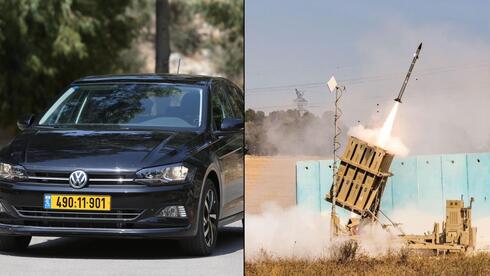
Germany is navigating a complex situation involving its automotive industry and international relations. Recent reports indicate a strategic move by the German government to sidestep a veto from Qatar’s sovereign wealth fund concerning a Volkswagen plant’s conversion to produce components for the Iron Dome defense system.
Investment and Control Shift at Osnabrück Plant
The Lower Saxony government has announced a substantial investment of 200 million euros aimed at revitalizing the Osnabrück plant, which was initially facing closure. This initiative includes taking control of significant parts of the facility and establishing a direct partnership with the Israeli defense company Rafael. This maneuver is essential in circumventing the restrictions imposed by Qatar’s sovereign wealth fund, which owns a 10.4% stake in Volkswagen.
Reports suggest that the agreement between Rafael and the government is anticipated to be finalized shortly, potentially as soon as September. It will focus not only on producing Iron Dome components but also on manufacturing heavy trucks, launch systems, and generators, thereby enabling a far-reaching expansion of capabilities at the Osnabrück site.
The Local Workforce and Economic Implications
The Osnabrück plant, a crucial asset in this deal, employs around 2,300 workers who were at risk of losing their jobs in the foreseeable future. The collaboration with Rafael offers a lifeline, allowing employees to transition into roles focused on defense production. Premier Olaf Lies has emphasized the plant’s robust labor force and technical expertise as foundational to a sustainable future.
Besides preserving jobs, this initiative reflects a broader strategy to bolster Germany’s defense manufacturing sector amidst ongoing challenges in the automotive industry. The potential for job retention and the development of advanced manufacturing capabilities could herald economic stability in the region.
Domestic and International Response
However, this strategic partnership has encountered opposition from various factions. Peace activists and left-leaning political groups have rallied against the deal, arguing that Volkswagen should remain a civilian-focused manufacturer, even at the expense of thousands of jobs. Concerns have intensified in light of Israel’s military stance in the Middle East, with critics asserting that the German populace would be hard-pressed to support such military-related ventures.
Significantly, Qatar’s sovereign wealth fund exerts substantial influence over Volkswagen, owning 17% of the company’s voting rights. The fund vetoed the agreement due to its collaboration with an Israeli firm, prompting widespread criticism in Germany. Observers argue that Qatar’s actions indicate an attempt to wield its financial influence to shape German foreign policy concerning the Middle East, particularly given its historical support for Hamas.
Broader Context: The Automotive Crisis and Arms Production Needs
The current discussions around the Osnabrück plant occur against the backdrop of a persistent crisis within Germany’s automotive sector. The country faces increased pressure to enhance its domestic arms production to meet both national defense and export demands. Notably, reports have surfaced suggesting Volkswagen may lay off 50,000 employees, with nearly half of the cuts impacting German workers, highlighting the acute challenges the industry faces.
This intricate situation underscores the broader economic and political dynamics at play, as Germany seeks to balance domestic workforce welfare with strategic defense objectives in an increasingly interconnected world.