
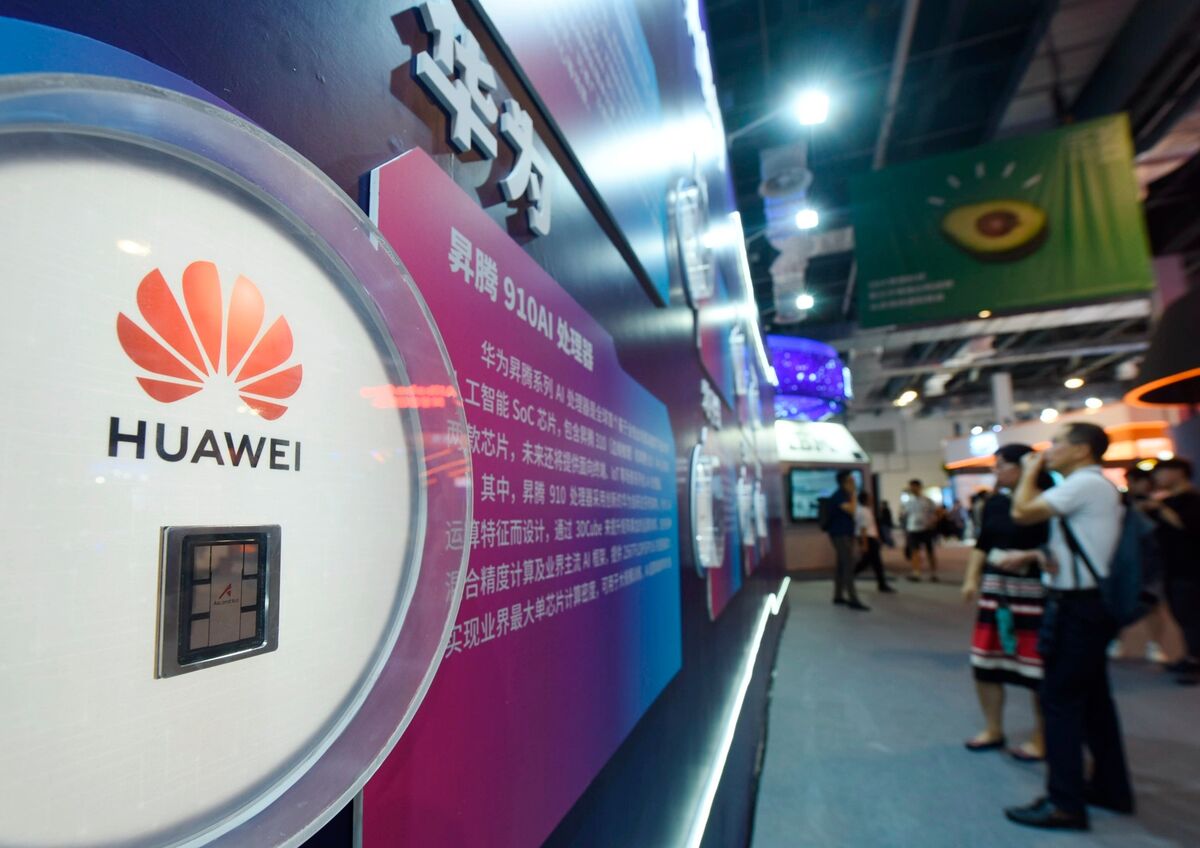
Huawei is making strides to enter the Egyptian semiconductor market, a move that has raised eyebrows in Washington. As tensions between the U.S. and China continue to rise, Huawei’s ambitions in Egypt could have significant implications for technology and geopolitics in the region. This development also highlights the increasing competition for influence in Africa, where technological infrastructure is a focal point of development.
Huawei’s Strategic Move in Egypt
By setting its sights on Egypt, Huawei aims to tap into the growing demand for advanced semiconductor technology. Egypt’s burgeoning tech sector represents a lucrative opportunity for the Chinese tech giant. As the nation seeks to bolster its technological capabilities, collaborating with a leading semiconductor manufacturer like Huawei could pave the way for enhanced digital transformation. This initiative aligns with Egypt’s Vision 2030, which emphasizes innovation and smart technology as cornerstones for economic growth.
The proposed partnership could lead to significant investments in technology and infrastructure in Egypt. Local industries would benefit from access to cutting-edge semiconductor technology, facilitating advancements in areas such as telecommunications, artificial intelligence, and smart manufacturing. Huawei’s expertise in these fields positions it uniquely to support Egypt’s ambitions of becoming a regional tech hub.
Geopolitical Concerns for the U.S.
Huawei’s ambitions are not just a business concern; they carry broader geopolitical implications. The U.S. government has long viewed Huawei as a security threat, raising flags about potential espionage and the risk of technology being used for malicious purposes. As Huawei seeks to deepen its ties with Egypt, these concerns only intensify. The U.S. is likely to scrutinize any agreements made between Huawei and the Egyptian government, employing diplomatic channels to address potential security risks.
The ramifications of this partnership could extend beyond Egypt itself, challenging U.S. influence in Africa as it competes with China’s growing presence on the continent. The stakes are high, as access to advanced technology can empower not just economic growth but also strategic capabilities. This could disrupt the balance of power and influence between the two global superpowers.
Implications for the Egyptian Market
For Egypt, partnering with Huawei presents both opportunities and challenges. On one hand, the influx of advanced semiconductor technology can accelerate innovation within the local tech landscape. This could lead to the emergence of new startups and the revitalization of traditional industries, ultimately contributing to economic growth and job creation. Moreover, the training and expertise offered by Huawei can help build a skilled workforce equipped to handle the demands of modern technology.
On the flip side, Egypt must tread carefully given the geopolitical sensitivities involved. Engaging in a partnership with a company like Huawei could draw criticism and scrutiny from Western nations, particularly the U.S. Balancing international relations while pursuing technological advancement will require astute diplomacy from Cairo.
In conclusion, Huawei’s intention to penetrate the Egyptian semiconductor market symbolizes a pivotal shift in the global landscape of technology. It not only showcases the growing relevance of African markets but also underlines the competing interests of global powers. As both Egypt and Huawei navigate this partnership, they will have to consider the numerous implications it may entail, both economically and geopolitically. This situation serves as a case study in the intersection of technology and international relationships in today’s complex world.