
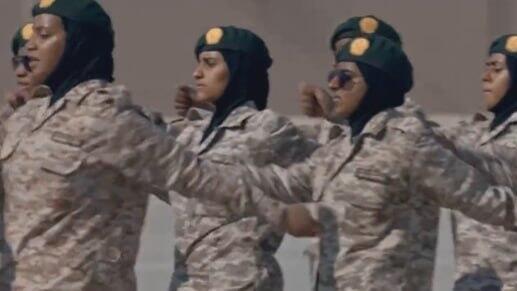
Women in the Gulf states are increasingly taking on roles in their nations’ armed forces, a trend that has developed gradually across countries such as Kuwait, Bahrain, the United Arab Emirates, Qatar, Saudi Arabia, and Oman. This evolution in military involvement reflects broader societal changes, although it has occasionally sparked religious and cultural debates within these regions.
Voluntary Military Service for Women
In all Gulf nations, military service for women is voluntary. Even in instances of mandatory military conscription, the requirement typically applies only to men. Given the rising regional tensions—exemplified by Iran’s aggressive actions—there is now a heightened focus on defining the roles women can play in national defense initiatives. The involvement of women in military service raises essential discussions about their contributions to security in an area marked by geopolitical uncertainties.
Kuwait’s Recent Developments
Kuwait has made noteworthy strides in incorporating women into its military framework. On July 5, the Kuwaiti military announced another recruitment round specifically for women, inviting Kuwaiti citizens aged 21 to 26 to apply for voluntary military roles. This initiative follows a landmark development in June when Kuwait appointed its first group of female officers. Although the recruitment of women began only in 2021, it faced interruptions due to pressure from conservative factions, sparking debates about the extent of women’s roles and requiring the approval of a male guardian for participation.
UAE’s Progressive Integration
Contrasting with Kuwait, the United Arab Emirates has been a frontrunner in integrating women into military positions. The Emirati Defense Ministry recently invited women to apply for pilot training, reflecting ongoing commitments to gender inclusion in the armed forces. This initiative, which began in the early 1990s, allowed women to serve in various military capacities, laying the groundwork for female military leadership exemplified by figures like Mariam al-Mansouri, who became the first Emirati woman to fly a fighter jet. Her accomplishments have highlighted the commitment to female participation in military operations, including active combat roles.
Broader Trends in the Gulf Region
The recruitment of women across the Gulf is closely linked to evolving military needs and demographic changes. While Qatar officially sanctioned female national service in 2018, Saudi Arabia’s military welcomed female recruits in 2019 as part of its Vision 2030 initiative. However, recruitment practices vary widely; in nations like Oman and Bahrain, women serve voluntarily, reflecting different cultural and social dynamics within these countries. Increased military recruitment in Kuwait, Qatar, and the UAE has been attributed to external security threats and changing societal expectations, encouraging an environment where citizens, including women, can contribute to national defense.
Overall, the growing presence of women within armed forces in the Gulf states signals a shift not only in military strategy but also in societal norms. As governments strive to enhance military capability amid perceived threats, the role of women in the military could become increasingly integral, suggesting an evolution of gender roles in this traditionally conservative region.