
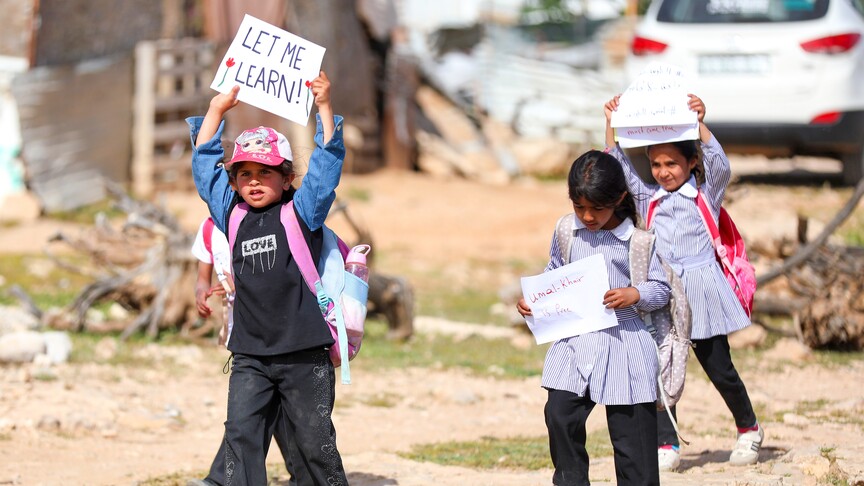
In a significant development for Palestinian education, Israel has announced plans to implement its curriculum for over 45,000 Palestinian students in occupied East Jerusalem during the 2026-27 academic year. This controversial decision raises serious concerns regarding the cultural and national identity of generations of Palestinians living in the region.
Imposition of the Israeli Curriculum
On August 31, 2026, a spokesperson for the Jerusalem Governorate, Maarouf al-Rifai, revealed that the Israeli curriculum will be enforced in all new classes beginning Tuesday at Israeli-operated municipal schools in East Jerusalem. This includes first and seventh-grade students, marking a pivotal moment for Palestinian education. Al-Rifai characterized this move as a “dangerous and unprecedented escalation” since 1967, further emphasizing that it specifically targets the national identity and cultural heritage of Palestinian students in Jerusalem.
Citing data from the Israeli newspaper Haaretz, Al-Rifai noted that about 39,363 Palestinian students across 105 municipal schools will be required to follow the Israeli curriculum in the upcoming academic year. An additional 5,085 students attending schools acknowledged as “recognized but unofficial” will also be affected, raising the total to over 45,000 students—approximately 38% of the nearly 120,000 Palestinian students in East Jerusalem.
Impact on Palestinian Identity
The imposition of the curriculum marks a significant increase in the number of students studying under the Israeli system. Al-Rifai pointed out a dramatic rise from 10,347 students in the 2020-21 academic year to 27,041 in the current year. He argues that this trend is part of a systematic strategy to undermine Palestinian education, as the Israeli government has pressured Palestinian educational institutions and linked funding to specific curriculum mandates.
This cultural takeover is further illustrated by Israel’s acquisition of two educational compounds initially managed by the United Nations Relief and Works Agency for Palestine Refugees (UNRWA) in the Shuafat and Kafr Aqab refugee camps. Al-Rifai confirmed that Israeli authorities plan to open new educational facilities in these compounds, which would further entrench their control over Palestinian education.
International Humanitarian Law Concerns
Al-Rifai asserts that forcing an occupying power’s curriculum onto the occupied population represents a serious violation of international humanitarian law. He referenced the Fourth Geneva Convention, which stipulates the responsibilities of occupying authorities to protect civilians, especially children, and ensure the uninterrupted functioning of educational institutions.
The ramifications of this policy extend far beyond educational logistics; they threaten to directly affect Palestinian memory, awareness, and national identity. Al-Rifai argues that subject matter relating to Palestinian history, including the Nakba and the narratives surrounding political prisoners and Jerusalem, is being systematically erased or minimized from the curriculum.
Call for International Intervention
In light of these alarming developments, Al-Rifai has called upon UNESCO, various UN agencies, and other international bodies to intervene to protect Palestinian educational institutions and uphold the right to education. He emphasized that maintaining the Palestinian curriculum is not just about adhering to textbooks but is, in fact, a defense of their shared history, memory, and national identity. By affirming their narrative, Palestinians aim to assert their agency in a landscape increasingly dominated by external narratives.