
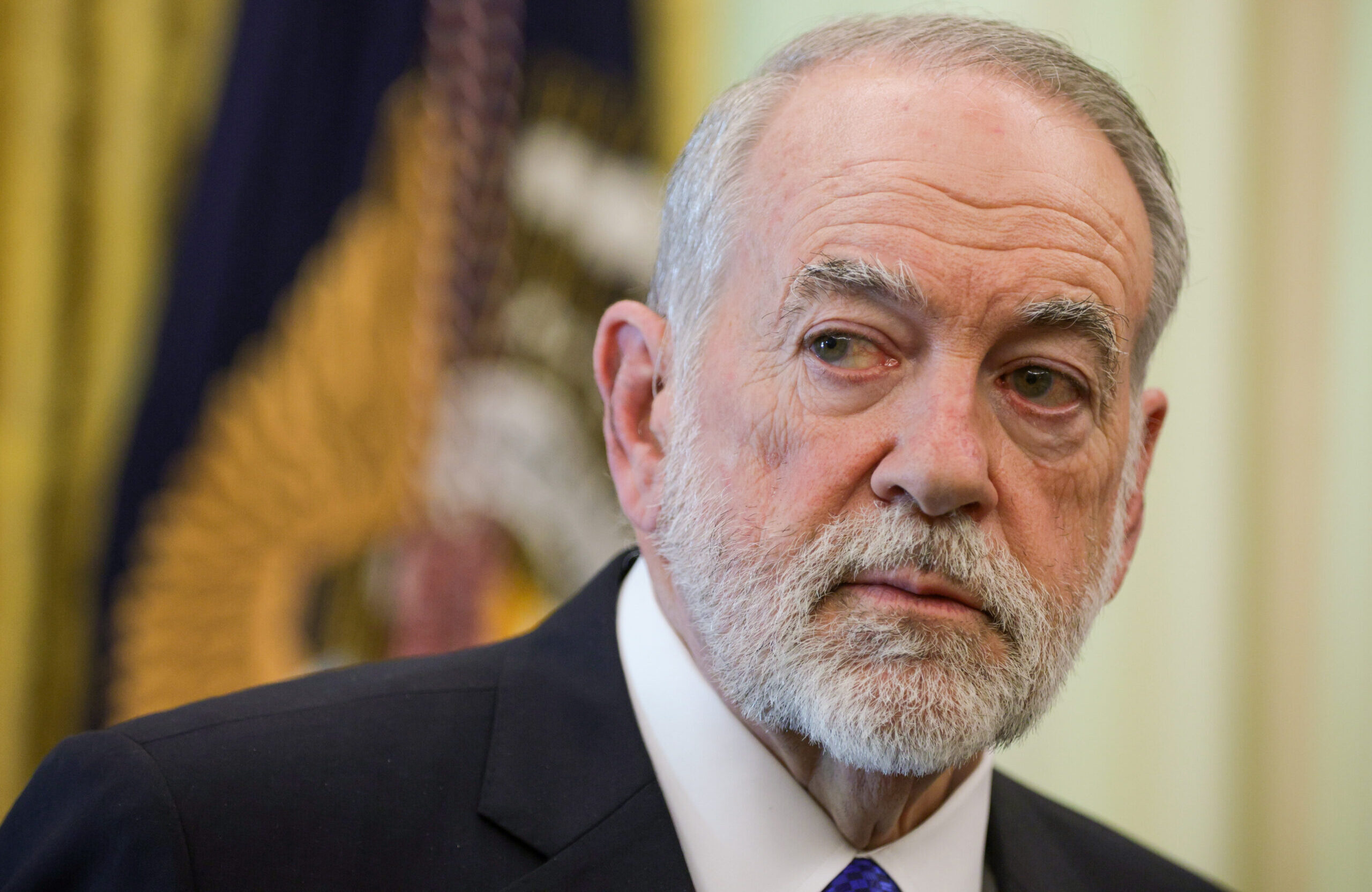
Mike Huckabee, the former governor of Arkansas, has recently voiced significant concerns regarding the influence of Qatar and the Muslim Brotherhood on American universities. His remarks came during the Republican Jewish Coalition summit, where he underscored the growing power of these foreign entities within the U.S. educational landscape. This issue has implications not only for academic integrity but also for broader national security.
The Qatar Connection
Huckabee argued that Qatar has established a substantial foothold in the United States, primarily through financial means and strategic partnerships with various educational institutions. The Gulf state has invested heavily in American universities and colleges, often in exchange for favorable terms regarding the content taught and the research conducted. This level of financial influence raises concerns about the autonomy of academic institutions and the potential for censorship or bias in educational material. Huckabee’s assertion highlights the urgency of scrutinizing such financial arrangements, as they may compromise the fundamental principles of education and academic freedom.
The Role of the Muslim Brotherhood
Additionally, Huckabee pointed out the historical context of the Muslim Brotherhood’s presence in U.S. academia. Founded in Egypt, the organization has been linked to various extremist activities over the decades. Huckabee expressed his apprehension that the Brotherhood’s ideological framework could infiltrate academic programs, especially those pertaining to Middle Eastern studies and Islamic theology. His concerns suggest that these influences could warp the perception of a significant and complex region, promoting a one-sided narrative that favors extremist ideologies rather than fostering balanced, critical discourse.
Implications for Academic Integrity
The intersection of foreign funding and ideological influence raises pressing questions about academic integrity across American universities. Huckabee stressed that educational institutions should serve as bastions of free thought and inquiry, unencumbered by external pressures. The increasing prevalence of foreign donors, particularly those with dubious motives, risks creating environments where intellectual debates are stifled, and dissenting opinions may not find a platform. In order to preserve the sanctity of academic exploration, universities must engage in thorough vetting processes for foreign funding and adopt transparent policies that prioritize independence.
Future Steps and Solutions
Moving forward, Huckabee urged policymakers, educators, and stakeholders to take proactive steps in addressing these concerns. He suggested that universities should implement rigorous guidelines to assess foreign partnerships and their implications for academic freedom. Additionally, cultivating a culture of transparency and accountability in financial dealings could help mitigate risks associated with foreign influence. By doing so, institutions can reaffirm their commitment to fostering a diverse array of perspectives while safeguarding the integrity of their educational missions.
As Huckabee’s comments resonate within political and academic circles, the conversation surrounding foreign influence in U.S. universities will likely gain momentum. Awareness and dialogue are crucial to ensuring that education remains a space for open inquiry unfettered by external pressures.