
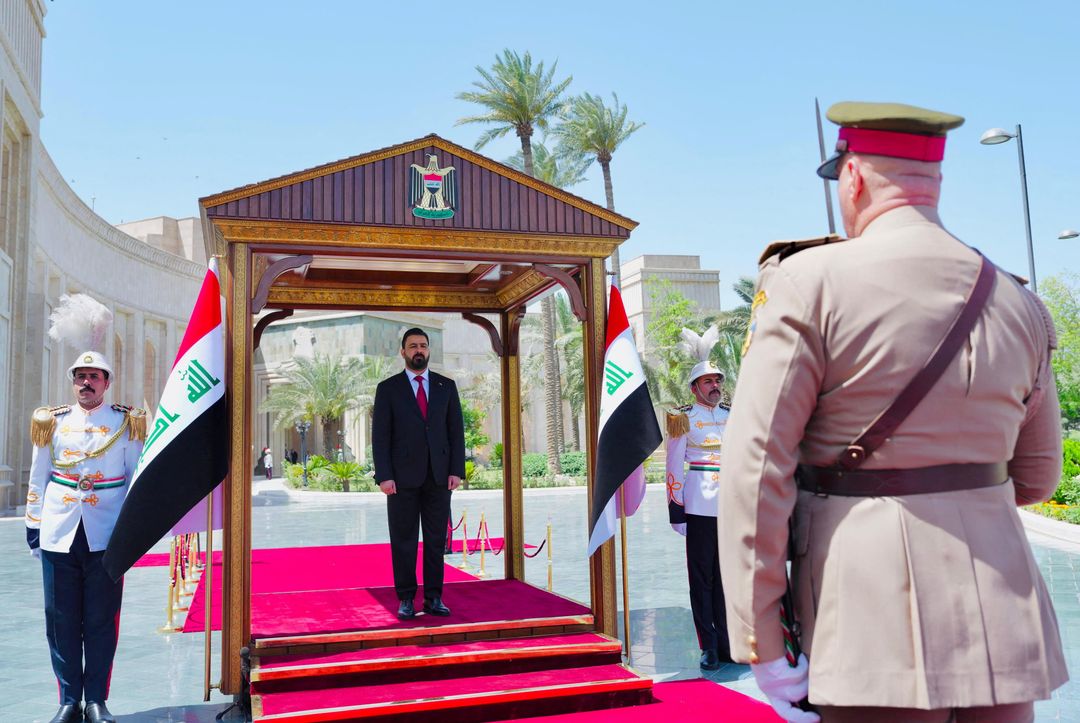
Iraqi Prime Minister Ali al-Zaidi has declined a suggestion to maintain a presence of international coalition forces in the country past September 30, according to government spokesperson Haider al-Aboudi. This decision is a significant step in Iraq’s ongoing efforts to regain control of its national security and sovereignty.
Iraq’s Commitment to Sovereignty and Security Control
During a recent press briefing, al-Aboudi emphasized Baghdad’s dedication to regulating weapon use and ensuring that security decisions remain firmly within the purview of the Iraqi state. He reiterated that the Iraqi government is focused on developing a security framework that reflects the nation’s sovereignty and prioritizes the national interest. The discussions around maintaining international forces were quickly dismissed, signaling a clear commitment to Iraq’s autonomy in matters of defense.
Progress in Negotiations with Armed Factions
Al-Aboudi elaborated that ongoing discussions with various armed factions are progressing well and are expected to reach conclusions before the impending September 30 deadline. These talks are crucial for establishing a stable security environment in Iraq, as the government seeks to transition from international assistance to a self-reliant security framework. The ability to negotiate with local factions demonstrates the government’s intention to engage with different groups to foster a more cohesive approach to national security.
Anticipating a New Phase Post-International Coalition
On August 12, Prime Minister al-Zaidi publicly stated that the conclusion of the international coalition’s military operations and the withdrawal of its troops would occur on September 30. This marks a new chapter for Iraq, one that will require careful navigation and management of its security landscape. Al-Aboudi remarked on the significance of this transition and assured that the government is closely monitoring developments in the region to ensure Iraq does not become embroiled in broader conflicts.
Al-Aboudi’s statements reinforce the government’s perspective that any security decisions will be made based on the country’s best interests. Discussions with armed factions will aim to establish a cooperative framework, emphasizing mutual interests that can help sustain peace and stability. As Iraq prepares for a post-coalition era, the emphasis is placed on establishing a national narrative around security that encourages local engagement and reduces dependence on foreign forces.
With the plan to end foreign military involvement, the focus shifts towards building a robust Iraqi security structure. The government is aware that this transition will not be without its challenges, but it is determined to approach these challenges head-on. The commitment to national interests indicates a potential shift in how Iraq engages with both local and international entities in the realm of security and governance.
In summary, Iraq is poised for a significant transition as it faces the end of the international coalition’s military presence. The Iraqi government, led by Prime Minister al-Zaidi, is committed to promoting national sovereignty and stability through direct negotiations and local engagement. As Iraq charts its path forward, the focus will be on creating a cohesive, self-sufficient security framework essential for the nation’s longevity and peace.