
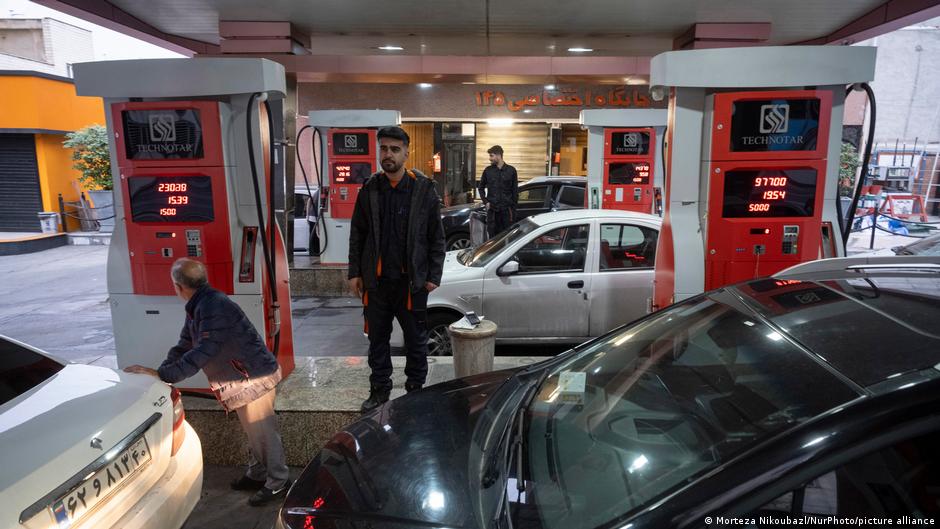
In recent days, Iran has found itself grappling with a worsening gasoline shortage, exacerbated by a new set of economic sanctions imposed by Washington. This sudden crisis has become more apparent, as citizens in cities across Iran experience extended waits at gas stations.
Lengthy Waits at Filling Stations
Reports indicate that drivers are facing hours of delay just to secure a few liters of fuel. Disturbing visuals on social platforms depict individuals camping overnight at gas stations, hoping to fill their tanks by morning. Some stations have unfortunately closed their gates before serving all those in line. The situation is even more dire for diesel fuel; truck drivers report kilometers-long queues, forcing them to wait overnight to acquire enough fuel for their vehicles and livelihoods.
Currently, Iran is contending with a daily gasoline deficit of approximately 15 million liters. Factors such as war damages, challenges in importing refined products, and the tightening grip of U.S. sanctions have intensified this longstanding issue. A local resident from Karaj shared that some refueling stations are imposing limits, allowing only five liters per purchase. This ongoing crisis not only affects daily commuters but also truck drivers, who, depending on their earnings tied to vehicle operation, are incurring substantial losses while waiting in fuel lines.
Persistent Quality Concerns
In an intriguing twist, the introduction of methanol in Iran’s gasoline is stirring public unease. Refineries are reportedly experimenting with methanol, yet this change is raising red flags among motorists. Videos online depict clear fuel allegedly posing quality issues, further fueling distrust. Some have accused suppliers of diluting fuel with water or excessive alcohol, though these claims remain unsupported by independent evidence.
Compounding the issue, there has been at least one verified case of water contamination at a filling station, resulting in vehicle malfunctions. Local authorities have traced this back to a technical failure, but the incident has only fueled growing fears regarding fuel quality among consumers. One dissatisfied driver reported spending a staggering 1 billion tomans—approximately $5,250—on repairs after his vehicle suffered damage he attributes to poor gasoline quality. This kind of mistrust speaks volumes about the erosion of faith in governmental oversight.
Potential Price Increases on the Horizon
Economist Hassan Mansour suggests that the Iranian government may be laying the groundwork for imminent price hikes on energy. Officials have been vocal in asserting that gasoline prices are artificially depressed, leading to rampant smuggling and excessive domestic consumption. The proposed remedy involves aligning domestic fuel prices more closely with international benchmarks.
However, the situation runs deeper than mere subsidies. The financial state of Iran’s oil industry reveals substantial debts to both the central bank and commercial entities. An inability to manage these debts could contribute to economic instability, inflation, and currency devaluation. Raising gasoline prices might serve as both a demand-management strategy and a potential revenue source—a risky gamble in a socially fragile environment.
A Delicate Balance of Power
Faced with escalating shortages and the looming threat of public dissent, the Iranian government finds itself in a precarious situation. Increasing fuel production requires technological investment, while reducing consumption poses its own challenges. Past experiences serve as a cautionary tale; a sudden fuel price hike in 2019 sparked nationwide protests and severe crackdowns, leading to widespread unrest.
In today’s context, the economic landscape is even more fragile. With infrastructure damage from war, tightening international sanctions, and a significant decline in household purchasing power, the addition of long fuel lines only serves to amplify public frustration. Although raising prices could alleviate some of the gas shortage issues, it risks igniting public anger at a time when political stability is crucial. The Iranian leadership must tread carefully, balancing economic necessity with the need to maintain social order.