
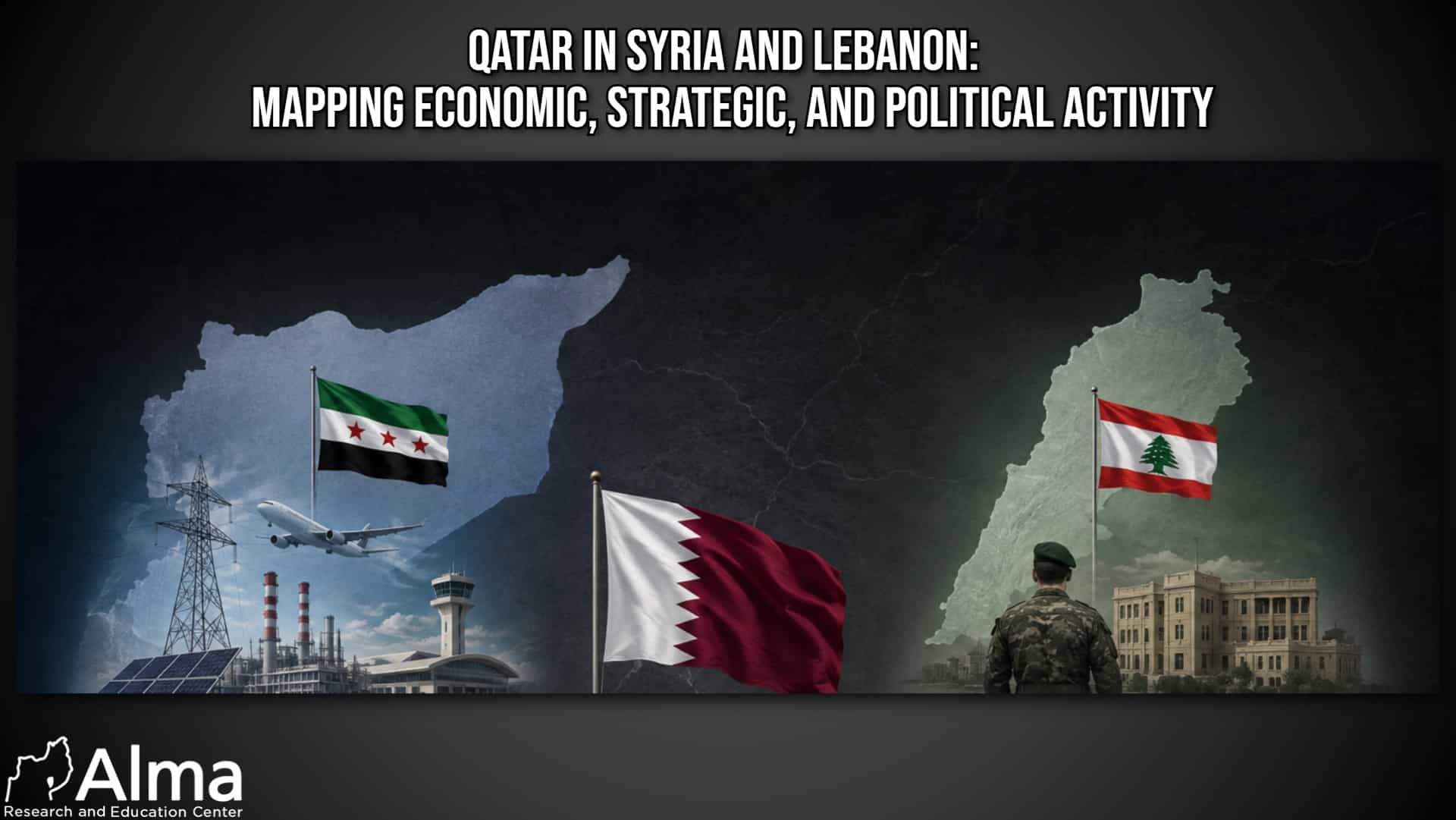
Qatar’s involvement in the Middle East has significantly evolved between January 2024 and August 2026, particularly in Syria and Lebanon. The nation has emerged as a vital player in infrastructure development in Syria while also establishing itself as a key financial supporter of the Lebanese Armed Forces. Additionally, Qatar’s diplomatic maneuvers suggest its ambition to mediate complex negotiations between Lebanon and Israel.
Qatar’s Investment in Syria: A Path to Reconstruction
Since the change of government in Syria in December 2024, Qatar has committed approximately $25.9 billion, primarily through 40 memoranda of understanding with various Gulf and Turkish consortiums. Notably, a Qatari-Turkish-American partnership led by UCC Holding is engaged in projects valued at around $11 billion. These investments span several sectors, including energy, infrastructure, health, and banking. The Emir of Qatar, Sheikh Tamim bin Hamad Al Thani, made headlines when he became the first Arab leader to visit Damascus post-regime change on January 30, 2025. This visit signaled Qatar’s intent to play a proactive role in the new Syrian landscape.
In March 2025, Qatar, alongside the United Nations Development Program, facilitated a natural gas supply to Syria through Jordan, aimed at producing up to 400 megawatts of electricity. This strategic initiative was further complemented in August 2025 with the introduction of a gas supply route from Azerbaijan via Turkey, bolstering electricity generation at key power stations. Qatar has made substantial commitments, including a $14 billion package for various infrastructure projects, illustrating its multi-faceted investment strategy.
Lebanon: Expanding Military Support and Diplomatic Opportunities
Qatar’s expansion into Lebanon began even before this analysis period, with initial commitments for military aid as early as 2022. By 2024, it provided essential support to the Lebanese Armed Forces, including salary subsidies, vehicles, and infrastructure aid. Notably, Qatar’s Minister of State for Foreign Affairs confirmed ongoing assistance to the Lebanese military, paving the way for future involvement with Lebanon’s Internal Security Forces as well.
In addition to its military support, Qatar has sought a more significant mediation role in regional diplomacy, particularly concerning the delicate situation between Israel and Lebanon. Reports indicate that Qatar has initiated indirect negotiations, under its oversight, to establish a stable ceasefire in collaboration with the U.S. and Saudi Arabia. This strategy emphasizes Qatar’s intention to solidify its political leverage in the region.
Implications and Risks of Qatar’s Involvement
While Qatar’s financial contributions undoubtedly aim to stabilize both Syria and Lebanon, there are inherent risks involved. Analysts caution that the lack of stringent oversight over investment flows may inadvertently support groups like Hezbollah, as funds often reach Shiite communities directly, bypassing state institutions. For Hezbollah, this external funding plays a critical role in maintaining its influence by reinforcing its civilian systems, which include social services and community support networks.
Qatar’s dual approach in both Syria and Lebanon is indicative of a broader geopolitical strategy to carve out substantial influence in the region. By leveraging its financial resources and maintaining diplomatic relations, Qatar not only contributes to reconstruction efforts but also positions itself as a mediator among conflicting parties. However, this involvement raises concerns about the sustainability of governance and state sovereignty in both countries, as foreign aid may inadvertently bolster non-state actors and complicate the political landscape.
In conclusion, Qatar’s increasing influence in Syria and Lebanon reflects its ambition to secure a significant role in Middle Eastern affairs. By balancing economic investment and political diplomacy, Qatar aims to establish itself as a pivotal player in shaping the region’s future, albeit with possible implications for state stability and armed governance.