
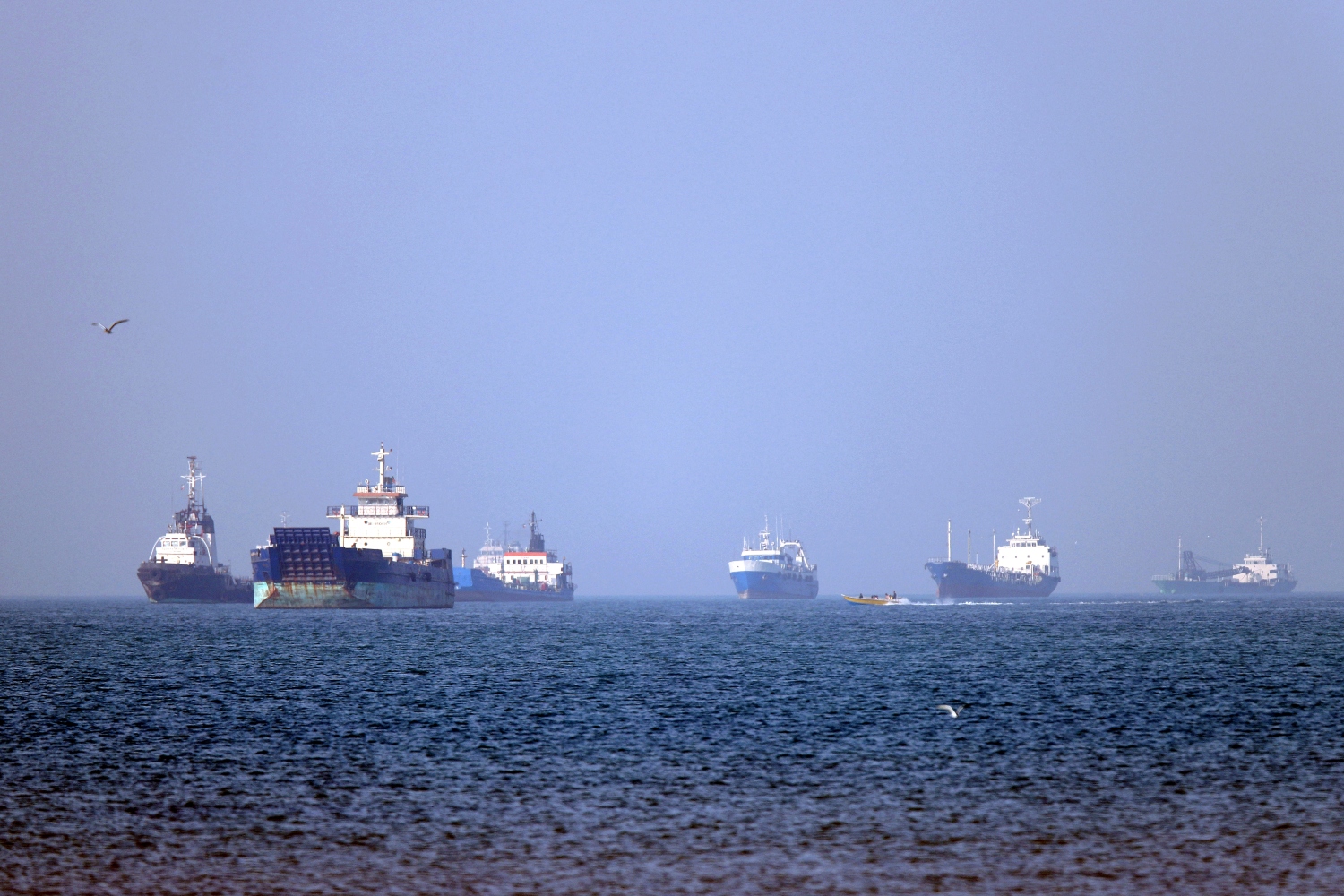
In a significant escalation of tensions in the Middle East, Saudi Arabia has condemned a recent attack by Iran on an oil tanker in the critical Strait of Hormuz. This strategic waterway, which sees a large volume of global oil shipments, has been a flashpoint for geopolitical conflict, raising concerns over the security of maritime transport and the stability of international oil markets.
Impact of the Attack on Maritime Security
The assault on the oil tanker has heightened fears about maritime safety in the Strait of Hormuz, which serves as a vital passage for oil exports from some of the world’s largest producers. This region, through which approximately 20% of global oil passes daily, is essential for energy supplies to several nations. Industry experts warn that continued aggression could lead to increased shipping costs and heightened insurance premiums for vessels operating in these waters.
In addition to economic ramifications, the attack threatens the broader stability of the region. Oil tankers, which are increasingly vulnerable to military actions, could face more frequent interruptions. This possibility raises questions about how countries that rely heavily on energy imports will respond to potential disruptions in supply, possibly leading to larger-scale military escalations.
Regional and Global Reactions
The international community has reacted strongly to Iran’s actions, with various countries expressing alarm over the violation of maritime norms. Saudi Arabia’s condemnation highlights a growing consensus among Gulf states regarding the need for concerted action against perceived threats posed by Iran. Similarly, the United States and its allies have echoed these sentiments, emphasizing the importance of upholding the freedom of navigation in international waters.
Moreover, analysts suggest that ongoing tensions between Iran and Western nations could further jeopardize diplomatic efforts aimed at ensuring stability in the region. Ongoing hostilities may lead to an arms race, as countries rush to bolster their naval capabilities. This could create an atmosphere of heightened mistrust, making diplomatic solutions increasingly elusive.
The Future of Oil Transportation in the Region
As geopolitical tensions rise, the future of oil transportation in the Strait of Hormuz remains uncertain. Countries may be forced to rethink their shipping routes or invest in alternative modes of transportation to circumvent potential threats. Such shifts could result in more lengthy and costly journeys for oil shipments, affecting global oil prices and supply chains.
Given the strategic importance of this maritime route, it is crucial for nations to engage in dialogue aimed at reducing tensions and promoting security. Cooperative initiatives could include joint naval exercises or the establishment of security protocols among nations to safeguard shipping lanes.
In conclusion, the recent incident involving the Iranian attack on an oil tanker serves as a stark reminder of the fragility of maritime security in one of the world’s most pivotal regions for energy transportation. The repercussions of this event highlight the delicate balance between maintaining regional stability and managing the complex relationships among nations that rely on the safe passage of goods.