
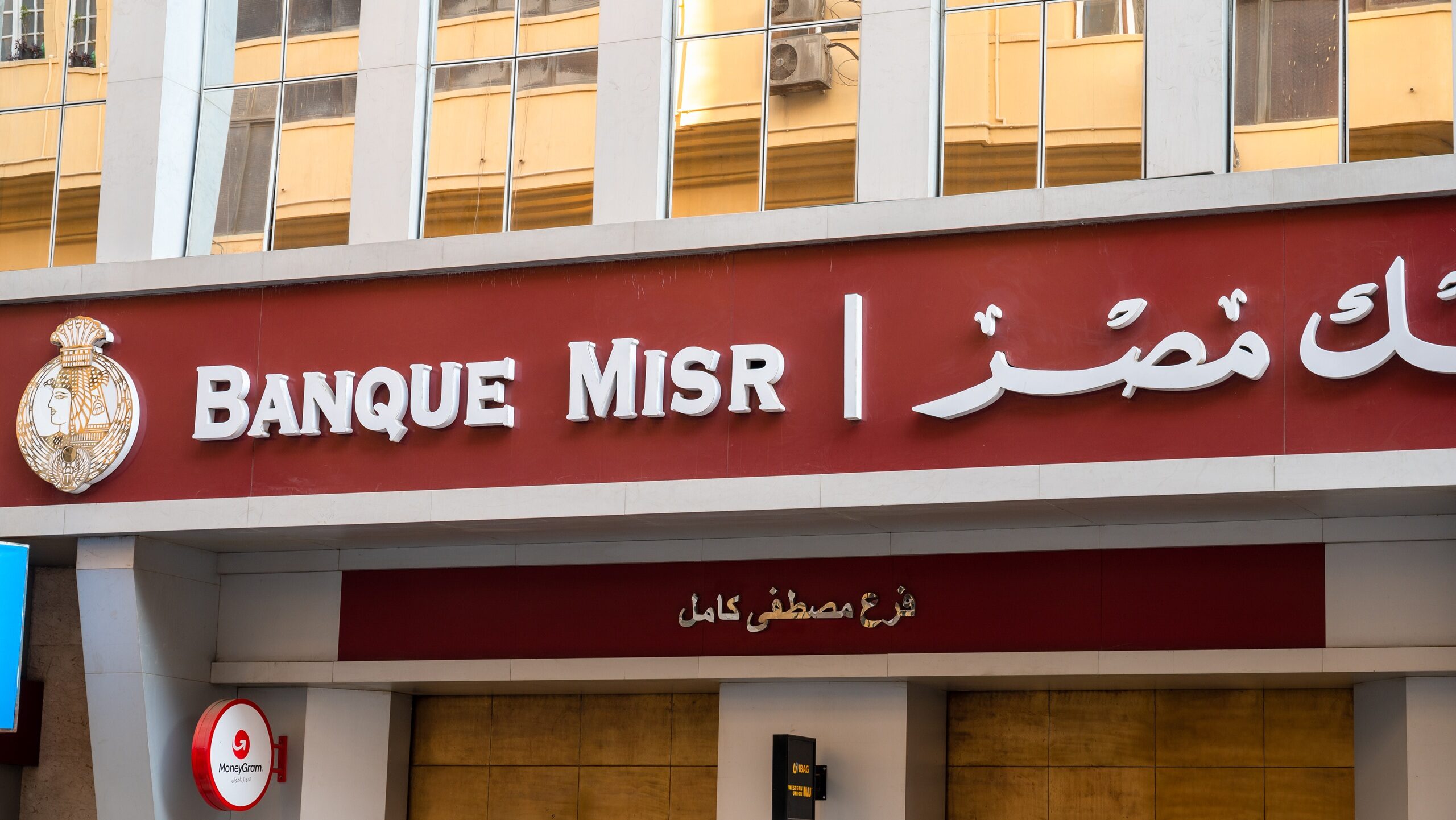
The U.S. Treasury Department has proposed regulations that could significantly limit the banking activities of Banque Misr’s UAE operations. This proposed rule targets the bank’s ability to access correspondent accounts with U.S. financial institutions, underlining concerns over its involvement with companies associated with Iran’s shadow finance operations.
Proposed Restrictions and Their Implications
On August 28, the Treasury’s Financial Crimes Enforcement Network (FinCEN) issued a Notice of Proposed Rulemaking. This action aims to block U.S. banks from providing correspondent accounts to Banque Misr UAE, citing that the bank facilitated approximately $1.8 billion in transactions for 103 firms suspected of being fronts for Iranian financial networks. Notably, around $520 million of these transactions occurred in the last year reviewed. This significant financial activity raised alarms over money laundering risks and potential violations of U.S. sanctions.
The proposed rule would specifically affect Banque Misr’s operations in the UAE, which include branches in major cities like Abu Dhabi and Dubai. However, the bank’s branches in Egypt and other countries would not be impacted. According to the bank, its UAE branches continue to function normally while it assesses the U.S. findings. Both the central banks of Egypt and the UAE are coordinating a response.
Navigating U.S. Regulatory Frameworks
FinCEN’s actions come under Section 311 of the USA PATRIOT Act, which allows the agency to designate foreign financial institutions as a “primary money laundering concern.” This designation enables the U.S. government to impose stringent restrictions on U.S. financial entities working with the identified institution. According to legal experts, this route provides the U.S. with greater flexibility than a more severe Office of Foreign Assets Control (OFAC) designation would allow.
Nick Turner from Acrobis Law Group noted the adaptive nature of FinCEN’s rulemaking process, suggesting that the agency could modify or even decide against finalizing the proposed rule. Such flexibility underscores the evolving dynamics of U.S. regulatory strategies in counteracting illicit financial networks.
Economic Ramifications Beyond the Banking Sector
While the proposed rule specifically targets Banque Misr UAE, it could create broader repercussions for financial institutions globally. Although foreign banks aren’t mandated to sever ties with Banque Misr, they may reconsider their relationships due to heightened risks associated with Iran-linked transactions. This re-evaluation may lead to overreactions by international institutions, seeking to mitigate potential ramifications, even if those risks are narrowed under U.S. guidelines.
U.S. Treasury Secretary Scott Bessent hinted that actions against Banque Misr UAE could signify the beginning of a larger initiative targeting financial institutions that facilitate Iranian economic activity. As the U.S. ramps up efforts to impose secondary sanctions related to Iran, the financial environment becomes increasingly complex, prompting caution among international banks and businesses.
In addition to theF proposed measures against Banque Misr, the U.S. Treasury has also imposed sanctions on individuals and entities connected to Iranian financial operations, including institutions in the UAE and Hong Kong. As these actions unfold, it’s critical to observe how they influence Iran’s economy, which is already under strain from existing sanctions and a challenging geopolitical landscape.
In summary, the implications of the proposed Treasury rule on Banque Misr UAE extend far beyond the immediate financial transactions at hand. The U.S. aims to tighten scrutiny on Iranian financial networks, creating a ripple effect that could alter global economic interactions surrounding Iran’s financial systems.