
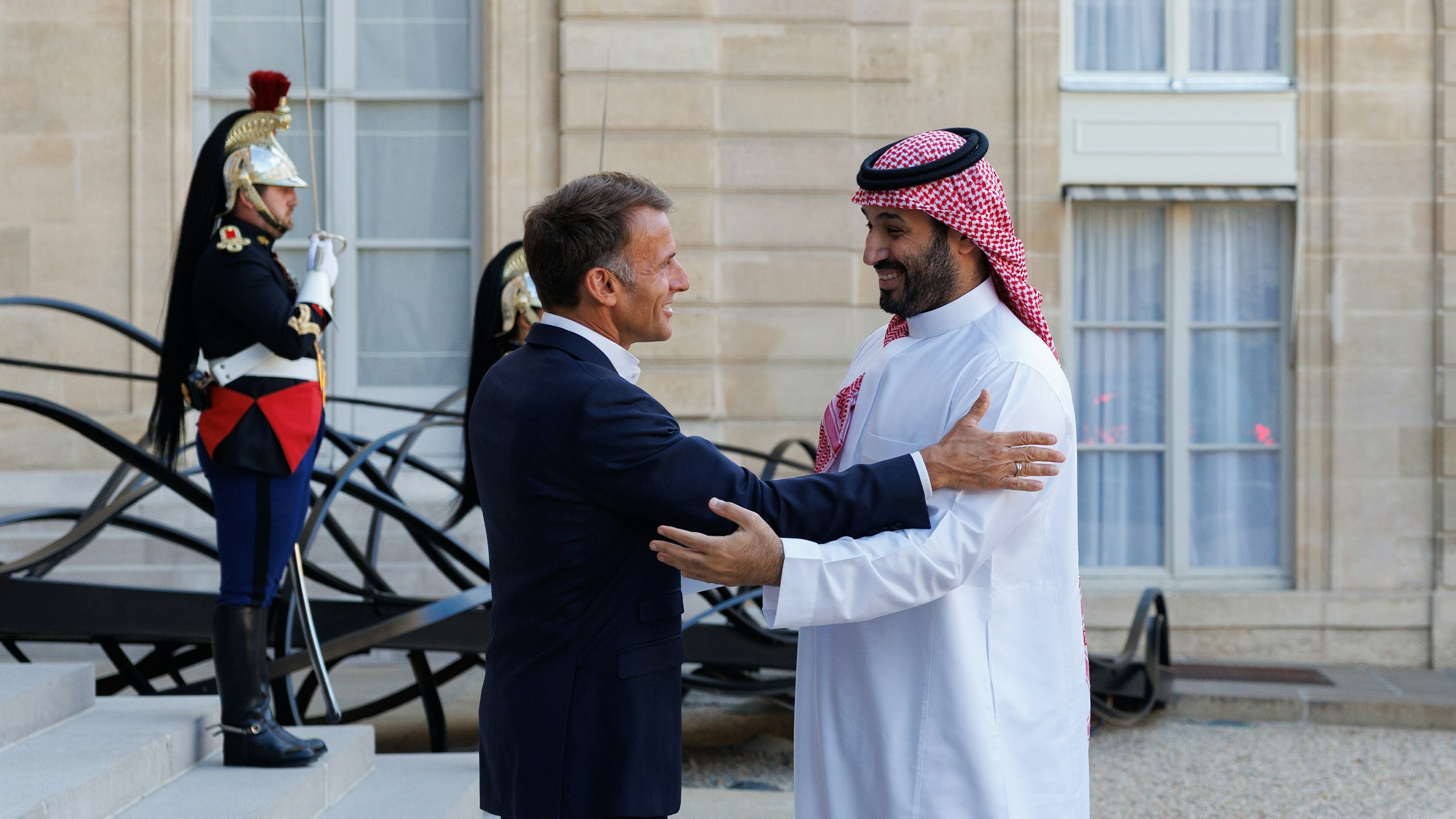
As confidence in U.S. security guarantees diminishes, Saudi Arabia is actively seeking to establish a broader range of security partnerships. A significant illustration of this shift is the recent signing of the Mecca Agreement, a trilateral mutual-defense pact with Pakistan and Turkiye. While the true implications of such an arrangement remain uncertain, it signifies Saudi Arabia’s aim to become less reliant on Washington. However, this does not mean Riyadh is entirely distancing itself from the U.S., as American military support, technology, and collaborative efforts continue to play a crucial role in the Kingdom’s defense strategy. Balancing these relationships to avoid alienating the U.S. has opened avenues for other countries, notably France, which is keen on maintaining its influence in the region.
The Mecca Agreement: A New Trilateral Defense Initiative
The Mecca Agreement showcases Saudi Arabia’s commitment to diversifying its security alliances. This trilateral accord with Pakistan and Turkiye not only reflects the Kingdom’s strategic objectives but also highlights its willingness to explore alternative partnerships amid changing geopolitical landscapes. The initiative involves mutual defense mechanisms that could potentially strengthen the military capabilities of the participating nations. While both Pakistan and Turkiye have their own regional ambitions, this collaboration marks a pivotal moment for Saudi Arabia, enabling it to maneuver in a more multipolar world.
Riyadh’s Balancing Act with the United States
Despite forging new partnerships, Saudi Arabia remains cautious about its relationship with the United States. American military hardware and expertise continue to be indispensable for the Kingdom’s defense. Therefore, while Saudi Arabia is exploring new alliances, it must tread carefully to prevent any deterioration in its longstanding ties with Washington. Diplomatic channels will be crucial in this balancing act. The Riyadh administration understands that maintaining a stable connection with the U.S. is critical for its broader security framework and regional stability.
France’s Strategic Opening in the Middle East
The shifting dynamics present a unique opportunity for France, which aims to cement its position in the Middle East. Following the Saudi crown prince’s recent visit to Paris, a framework of 21 agreements and memoranda of understanding were unveiled, covering various sectors, including defense and technology. This indicates France’s intent to bolster its influence and engage more deeply with the Saudi leadership. With regional security becoming increasingly complex, France may see this as a chance to offer alternative solutions that align with Saudi Arabia’s evolving defense strategy while simultaneously enhancing its own standing in the area.
Implications for Regional Stability
The ongoing evolution of Saudi Arabia’s security partnerships could have far-reaching consequences for regional stability. As the Kingdom broadens its alliances, the balance of power in the Middle East may shift, prompting reactions from neighboring states and traditional allies. The implications of the Mecca Agreement and new agreements with nations like France warrant careful analysis, as they could reshape alliances and influence regional dynamics. How these partnerships unfold will be critical for both the future security of Saudi Arabia and the strategic landscape of the entire region.
In conclusion, Saudi Arabia is at a crossroads as it seeks to diversify its security partnerships while maintaining its critical relationship with the United States. The signing of the Mecca Agreement serves as a landmark development, emphasizing Riyadh’s commitment to safeguarding its interests through broader collaboration. As external influences, like those from France, become more pronounced, the Kingdom faces the imperative of navigating these complexities while ensuring regional stability.