
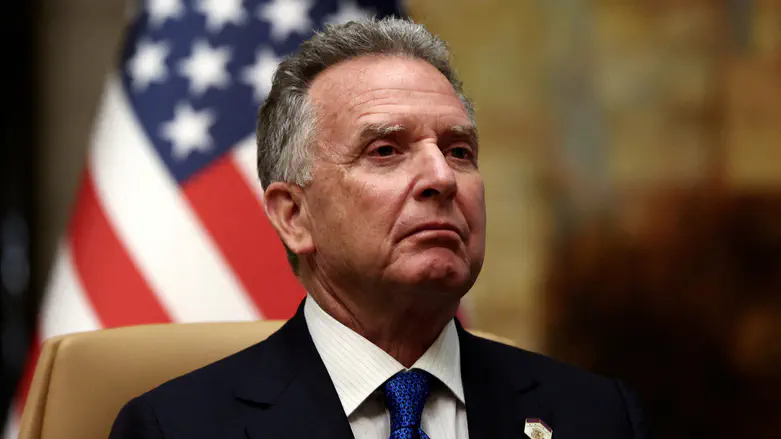
In a significant diplomatic development, White House envoy Steve Witkoff met with UAE National Security Adviser Sheikh Tahnoon Bin Zayed al Nahyan over the weekend. This meeting, which took place on the picturesque island of Sardinia, comes as the Trump administration intensifies its efforts to navigate the Iranian crisis and enhance security in the vital Strait of Hormuz.
The Importance of UAE in US Strategy
The United Arab Emirates (UAE) has emerged as an essential ally in the U.S.-led initiative to reopen shipping lanes through the Strait of Hormuz, a critical choke point for global oil supplies. The UAE’s role is particularly pivotal given its strategic geographic location and robust economic ties with both the U.S. and Iran. By collaborating with Abu Dhabi, the U.S. aims to not only safeguard maritime traffic but also exert further economic pressure on Iran’s financial resources. Sources indicate that Witkoff and Sheikh Tahnoon discussed various strategies ultimately intended to bolster these efforts.
Background on Sheikh Tahnoon and Strategic Discussions
Sheikh Tahnoon, often referred to as TBZ, is a figure of considerable influence in Abu Dhabi. As the brother of President Mohammed bin Zayed, he wields significant power, overseeing national security matters and extensive investment initiatives. During the talks with Witkoff, discussions reportedly encompassed potential next steps in addressing the Iranian crisis. Notably, the subject of sanctions against nations conducting business with Iran was also on the agenda. The White House has so far declined to comment on the specifics of the meeting, which had not been publicly disclosed prior to its occurrence.
Recent Developments and Economic Pressures
The meeting took place shortly after Treasury Secretary Scott Bessent launched “Operation Economic Outcast,” an initiative aimed at penalizing countries that engage in commercial activities with Iran. It appears that Bessent had communicated with Sheikh Tahnoon prior to this announcement, highlighting the close coordination between the two nations. Meanwhile, on the same day, the U.S. Treasury announced measures to limit the UAE branches of Egypt’s Banque Misr from participating in the American financial system due to their interactions with Iran. This clear message underscores the U.S. commitment to clamping down on Iranian economic ties.
UAE’s Shift in Trade Policy
In a noteworthy move, the UAE has recently decided to halt all trade and financial transactions with Iran, signaling a significant shift considering Dubai’s historical role as a trading hub for Iranian goods. The bilateral trade volume between the two nations reached $28 billion just last year, making this decision a remarkable break for both economies. Emirati officials reportedly communicated with the Trump administration, suggesting that a concerted economic campaign against Iran would need to encompass all nations engaging in trade with Tehran to be effective.
As Bessent noted, the U.S. intends to intensify its efforts to economically isolate Iran until it commits to a peaceful agreement. The ongoing tracking of Iranian assets abroad, particularly those related to the Islamic Revolutionary Guard Corps (IRGC), will form a vital part of this strategy. Through this approach, the U.S. aims to exert significant financial pressure on Tehran, prompting them to reconsider their stance in negotiations.
In summary, the strategic partnership between the U.S. and UAE continues to solidify, driven by shared interests in regional stability and economic pressure on Iran. Both nations recognize that their coordinated efforts will be critical in navigating the complexities of the current crisis, ultimately seeking to establish a modus vivendi that ensures peace and security in the Middle East.