
Introduction
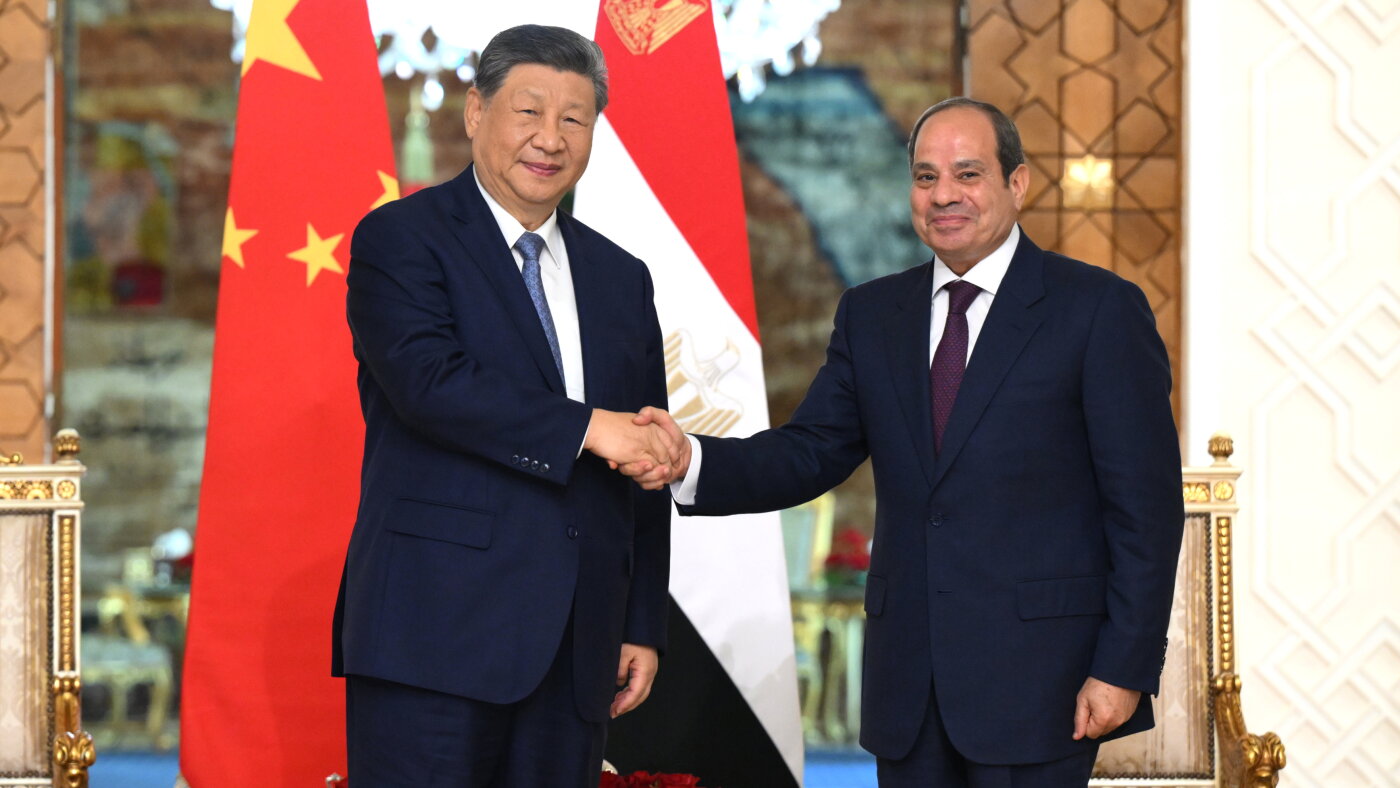
Chinese President Xi Jinping’s recent visit to Egypt marks an essential step in enhancing bilateral relations between the two countries. While it might seem like a regular diplomatic meeting, the implications of this visit extend far beyond mere economic cooperation. Xi’s approach underlines China’s intent to strengthen its foothold in the Middle East, a region of critical strategic importance.
Deepening Diplomatic Ties
The meeting between Xi and Egyptian President Abdel Fattah el-Sissi serves as a significant milestone in their partnership. With China positioning itself as a formidable rival to the United States, this visit is pivotal for both nations. By nurturing ties with Egypt—one of America’s key allies in the Middle East—China seeks to expand its influence in a region that has traditionally been dominated by U.S. interests.
Xi’s arrival was marked by a grand welcome ceremony, complete with Chinese and Egyptian flags adorning Cairo airport. During discussions, he emphasized mutual support against what he termed “unilateralism and acts of bullying.” His words echoed China’s desire for a more balanced global governance structure, presenting China as a stabilizing force in contrast to the ongoing U.S. military engagements in the region.
Soft Power vs. Military Entanglements
Amr Hamzawy, an expert at the Carnegie Middle East Program, pointed out that while the U.S. seems to undermine its own soft power, China is strategically accumulating its influence. Xi’s message during this diplomatic visit is clear: Beijing aims to foster a sense of stability and cooperation. This approach stands in stark contrast to decades of U.S. military presence and intervention in the area.
In commemorating 70 years of diplomatic relations, both leaders took to state-run newspapers to advocate for “pragmatic collaboration.” El-Sissi praised China’s significant investments in Egypt, highlighting ongoing projects under the Belt and Road Initiative. These initiatives not only aim to enhance economic ties but also serve as a platform for Egypt to diversify its strategic partnerships.
Strategic Partnerships and Regional Impact
Egypt’s invitation to join the BRICS group of emerging economies in 2023 is a testament to its bid for strategic diversification. The collaborations established under the Belt and Road Initiative further cement Egypt’s position in China’s expanding influence across Africa and the Arab world. As trade between Egypt and China reportedly reaches $20 billion annually, it’s clear that this partnership is founded on mutual growth aspirations.
Moreover, with disruptions affecting oil shipments through the Strait of Hormuz due to heightened tensions, the Suez Canal emerges as a crucial alternative route for energy transportation. Strengthening ties with Egypt, a nation that controls this vital passage, offers China a strategic advantage during unsettled times.
Looking Ahead: A New Era of Cooperation
Xi’s visit to Egypt acts as a bridge connecting various Middle Eastern nations, evidenced by China’s recent role in brokering diplomatic ties between Iran and Saudi Arabia. This approach cements China’s role as a potential mediator in regional conflicts, positioning it favorably against traditional powers like the U.S.
As Xi returns to his country after attending the Shanghai Cooperation Organization conference, the implications of his trip resonate on multiple levels. The combination of military exercises between China and Egypt, coupled with diplomatic overtures in conflict zones, further positions China as a key player in global geopolitics. In a world increasingly characterized by shifting alliances and competing interests, Xi’s outreach to Egypt underscores the importance of adaptive diplomacy in the modern era.