
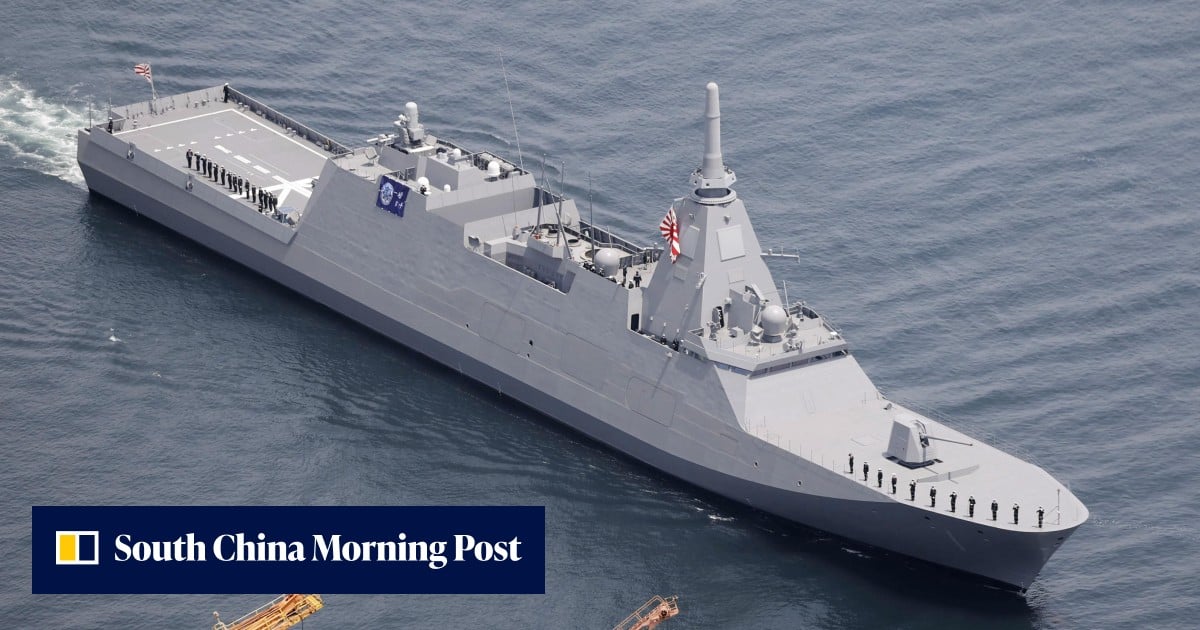
Washington is exploring partnerships with foreign shipbuilders from Japan, South Korea, and Turkey to enhance its naval fleet amidst challenges faced by the domestic shipbuilding industry. This initiative follows a recent memorandum by President Donald Trump, aimed at leveraging international shipbuilding expertise to meet the growing demand for naval vessels.
Foreign Partnerships in Naval Expansion
The decision to consider foreign frigate designs emerges as a practical solution to address the U.S. Navy’s pressing need for new ships. Specifically, options include Japan’s Mogami-class, South Korea’s Chungnam-class, and Turkey’s Istanbul-class frigates. These vessels are known for their advanced capabilities and could provide a quicker solution compared to traditional domestic production timelines. Reports suggest that this strategic move aims to bolster the United States’ naval capabilities while tapping into the established expertise of allied nations.
Presidential Directive for Broadened Shipbuilding Capacity
On August 13, President Trump issued a National Security Presidential Memorandum, which emphasized the importance of utilizing foreign shipbuilding resources. The memorandum underlined the necessity of diversifying naval construction sources as a critical measure for national security. US Navy spokesperson Ron Flanders stated, “The president has directed the navy to aggressively increase domestic shipbuilding capacity, including leveraging the proven shipbuilding skills and industrial expertise of our allies.” This directive reflects a shift towards global collaboration to enhance military readiness.
Potential Challenges Ahead
Despite the strategic benefits, the proposal could face significant hurdles within Congress. Lawmakers may express concerns about relying on foreign suppliers for crucial defense assets. National security is often viewed through the lens of self-reliance in military capabilities. As a result, a debate is likely to ensue regarding the balance between leveraging foreign shipbuilding expertise and maintaining a robust domestic industry.
The Finland Model for Shipbuilding Collaboration
Reports indicate that the U.S. might adopt a collaborative model similar to Finland’s approach, which allows foreign shipyards to construct the initial vessels while investing in U.S. facilities and technologies. Under this framework, the foreign partner would not only supply the ships but also contribute to developing domestic capabilities. This strategy could facilitate a smoother transition from foreign construction to domestic shipbuilding, fostering skills development and technological upgrades in the U.S. maritime sector.
In conclusion, as Washington navigates the complexities of modern naval demands, the prospect of international collaboration in shipbuilding offers both opportunities and challenges. By integrating foreign expertise into its defense strategy, the U.S. may enhance its naval readiness, but it must also consider the implications for domestic industries and national security. The path forward will require careful negotiation and a commitment to balancing international partnerships with the need for homegrown capabilities.