
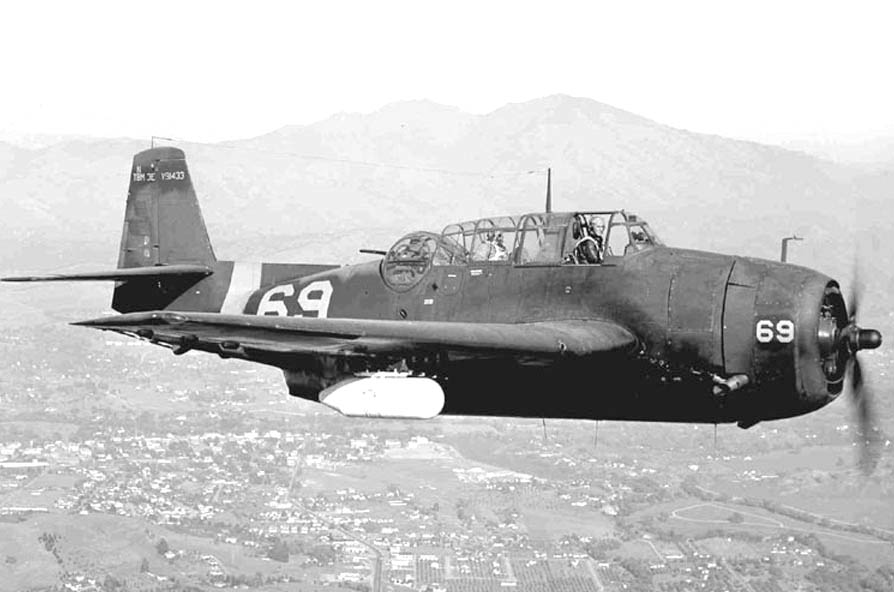
Attack Squadron 155 (VA-155) boasts a remarkable legacy, marked by its contributions to the U.S. Navy over several distinct periods. This squadron has seen action in multiple conflicts, including World War II, Korea, Vietnam, and Iraq. Its storied history reflects the evolving nature of naval aviation, making it a noteworthy subject for military historians and aviation enthusiasts alike.
Formation and Early Years
VA-155 originated three different times, the first iteration emerging as Torpedo Squadron VT-153 on March 26, 1945. It transitioned to Attack Squadron 16A (VA-16A) in November 1946 and assumed its final designation as VA-155 on July 15, 1948. Though its initial post-war service was brief, it showcased versatility during a Western Pacific deployment, where it received modifications to handle both attack and anti-submarine warfare. This early period set the foundation for what would become a legacy of courage and adaptability.
Combat Operations in Korea
The squadron’s second incarnation began as Reserve Attack Squadron VA-71E in 1946 and was later activated, officially becoming VA-155 on February 4, 1953. Known as the “Silver Foxes,” VA-155 made a significant mark during the Korean War, launching its first combat missions over Korea in October 1951. The squadron provided crucial air support for U.S. and United Nations forces, earning valuable combat experience. In February 1955, its aircraft played a role in evacuating Chinese Nationalists from the Tachen Islands, further solidifying its reputation as a capable operational unit.
Vietnam Era Operations
VA-155 continued its combat contributions into the Vietnam War, participating in significant operations such as Operation Flaming Dart and the sustained Operation Rolling Thunder. In 1966, the squadron became the first to deploy A-4 Skyhawks to Vietnam, outfitted with a unique camouflage design that earned the nickname “Flying Mulberry Bushes.” Despite facing losses, including the deaths of commanding officers during missions, the squadron managed to execute a staggering number of combat sorties. For instance, in March 1968, VA-155 contributed to operations following the seizure of the USS Pueblo by North Korean forces.
Continued Operations and Legacy
The onset of the 1970s saw VA-155 involved in critical missions, including Operation Ivory Coast, aimed at rescuing American POWs from a prison near Hanoi. After the Vietnam War, the squadron’s adaptability shone through again as it responded to emerging crises in various regions. The squadron was disbanded on September 30, 1977, but its legacy was revived when it returned on September 1, 1987, this time flying the Grumman A-6E Intruder.
As modern conflicts emerged, VA-155 played a key role in Operation Desert Storm, marking its entry into combat on January 17, 1991. The squadron conducted numerous missions during the Gulf War, showcasing its operational prowess by dropping over 2.2 million pounds of ordnance on enemy targets. Even post-Gulf War, VA-155 remained active in operations like Southern Watch and Restore Hope in Somalia, reflecting its persistent dedication and adaptability.
The storied history of Attack Squadron 155 encapsulates a narrative of resilience, adaptability, and valor. From its formation in the waning days of World War II to its operational roles in modern conflicts, VA-155 continues to inspire pride within the naval aviation community, ensuring its legacy endures.