
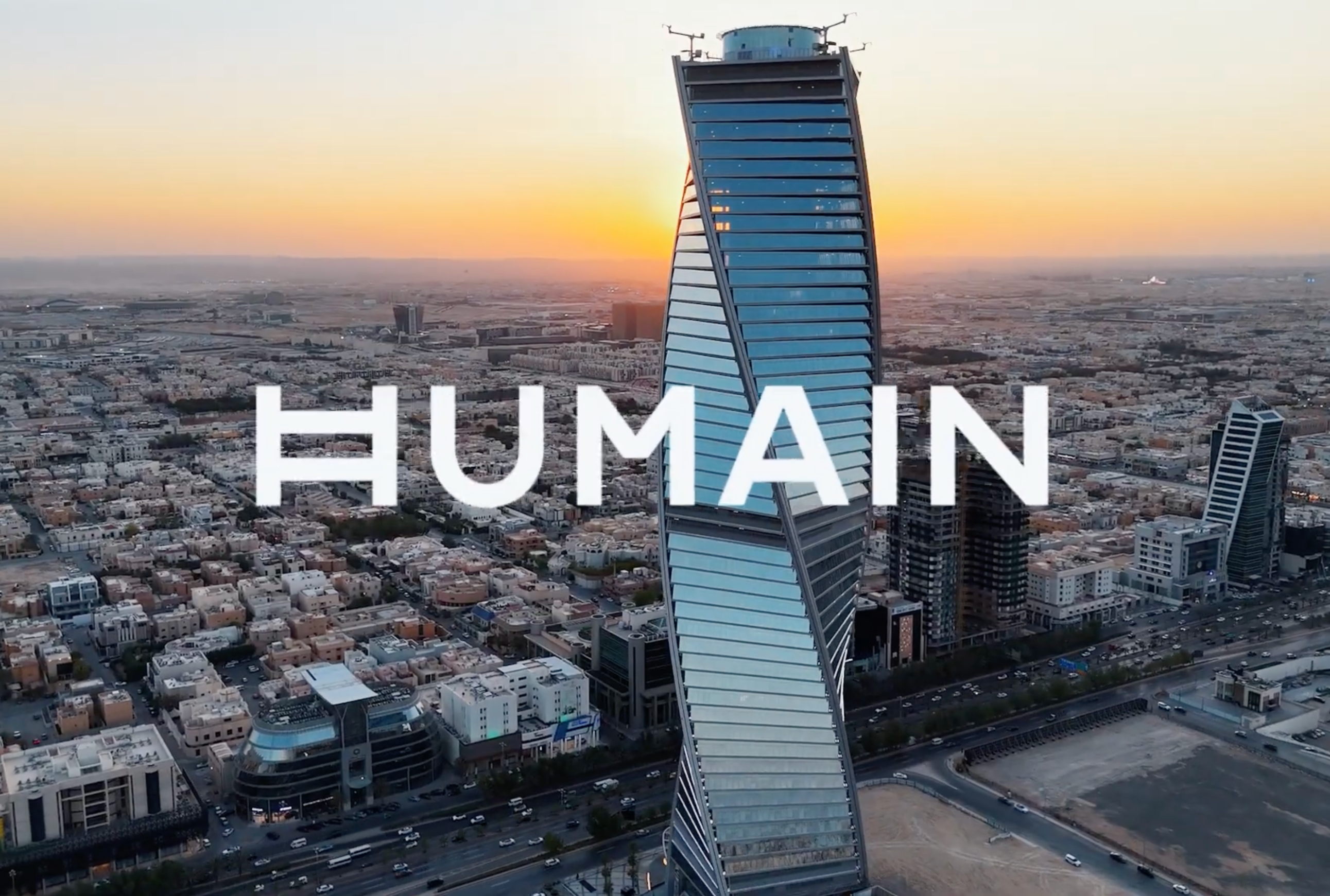
Saudi Arabia’s state-supported AI firm, HUMAIN, has made headlines with its recent unveiling of humain-m3, a groundbreaking Arabic language model boasting 428 billion parameters. Launched at LEAP 2026 in Riyadh on September 3, 2026, this model reportedly outperformed several established Arabic benchmarks. While this claim is impressive, developers and researchers in the field of Natural Language Processing (NLP) should approach the findings with caution. HUMAIN conducted these evaluations using its proprietary infrastructure, which means the results have not yet been validated against established benchmarks like the Open Arabic LLM Leaderboard. As such, direct comparisons with competing models from the UAE and Qatar have not yet been made.
The Foundations of humain-m3
humain-m3 is not a model developed from inception; rather, it is an adaptation of the MiniMax M3 architecture—a massive Mixture-of-Experts (MoE) model that was released as open-weight by MiniMax on June 1, 2026. Following this, HUMAIN partnered with MiniMax to tailor the model specifically for Arabic, training it further on over one trillion Arabic-native data tokens. The architecture itself divides parameters into specialized sub-networks known as “experts,” activating only a fraction during any given task. This effectively makes the computational demands much lower than typical for a model of its size, as the model operates primarily using around 23 billion active parameters during inference, rather than the full 428 billion.
This innovative use of the MiniMax Sparse Attention mechanism significantly enhances efficiency. Instead of applying attention across an entire context of tokens, this architecture narrows its focus to the most relevant content, reducing computation demands by a factor of twenty. The architecture’s performance improvements and the efficiency of processing make it a revolutionary option in the Arabic language model landscape.
Benchmarking Evaluation Methods
HUMAIN’s evaluation utilized a series of seven benchmarks aligned with the Open Arabic LLM Leaderboard, which measures various aspects such as core Arabic understanding and language proficiency. According to HUMAIN, the humain-m3 scored highly on these benchmarks, attaining an average of 89.37%. However, it’s important to note that these results were generated using HUMAIN’s own evaluation setup, so comparisons to other models—notably UAE’s Falcon-H1 Arabic or Qatar’s Fanar—are currently not possible. While the benchmarks serve as an established standard for model comparison, independent verification through public submission to the OALL leaderboard has yet to occur.
The specifics of HUMAIN’s evaluation process raise questions regarding reliability. Variations in evaluation infrastructures might result in minor, yet significant, score discrepancies. This becomes crucial when interpreting the rankings, especially with other models like Falcon-H1 achieving scores of 75.36% on the OALL benchmarks, highlighting the importance of an independent verification process.
The Future and Implications of HUMAIN’s Model
Looking ahead, the true capabilities of humain-m3 will become clearer with the planned release of its model weights under the MiniMax Community License, targeted for October 2026. This open-weight distribution will allow third-party researchers to evaluate the model independently and compare its performance to its regional competitors. With the initial benchmarks suggesting a significant advantage, the open release could either solidify its leading position or reveal a narrower margin of performance than initially claimed.
Moreover, the implications of using MiniMax’s architecture under Saudi control have geopolitical dimensions, particularly as Saudi Arabia strives to create its own AI infrastructure while maintaining relationships with major tech powers like China and the U.S. This partnership brings complexities regarding data governance, especially since HUMAIN Node operates on Saudi infrastructure, separate from MiniMax’s servers.
In conclusion, HUMAIN’s humain-m3 represents a significant step in Arabic NLP, but its competitive standing remains to be clarified through independent evaluation and benchmarking. The forthcoming release of the model’s weights will be a pivotal moment for validation and broader adoption, as the research community eagerly awaits the opportunity to put these claims to the test.