
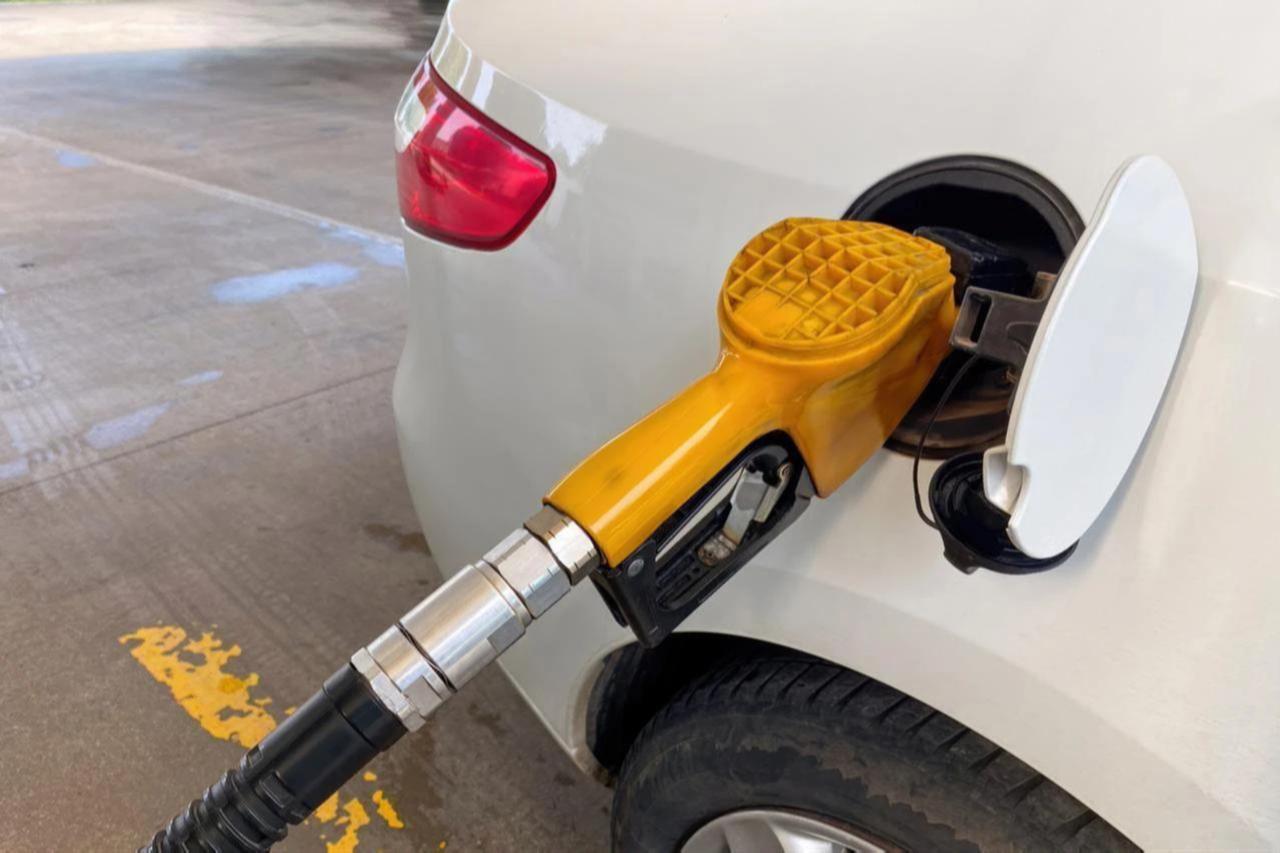
Long queues have become a common sight at gasoline stations across Baghdad as residents face a severe fuel shortage. This issue has forced many people, including taxi drivers, to wait for hours in hopes of filling their tanks. The situation has caught the attention of the Iraqi government, leading to calls for urgent measures to resolve a crisis that has disrupted everyday life and transportation services in the capital.
The Impact on Daily Life
As the fuel shortage persists, citizens report spending significant time traveling from one gasoline station to another, often without success. Abu Ahmed, a local resident, described the sudden onset of this fuel crisis as inexplicable. He noted that, despite the relative calm in the country, residents are facing an unexpected fuel scarcity that he believes should have been managed better by authorities. “At my age, I should be resting, but instead I’m searching for fuel, missing important commitments like Friday prayers,” Ahmed lamented.
The crux of the problem seems to stem from certain stations ceasing operations, resulting in overwhelmed locations and long waits. The fuel crisis is particularly burdensome for taxi drivers, whose livelihoods depend heavily on readily available gasoline. Ziyad Abdullah, a taxi driver, recounted his frustrating experience of searching for fuel throughout Baghdad for nearly two hours, only to find a long queue waiting at the station he finally discovered.
Taxi Drivers and Traffic Disruptions
Taxi drivers are among the hardest hit by this fuel shortage. With many stations out of service, drivers are unable to meet their customers’ needs, resulting in lost income. Abdullah’s ordeal illustrates the increasing difficulties posed by the current situation. He described driving across Baghdad, facing congestion not only at stations but also on the roads due to prolonged waiting periods. This ongoing fuel disparity has compounded daily challenges for commuters, making ordinary travel seem daunting.
The congestion at fuel stations has led to broader traffic issues in Baghdad, as frustrated vehicles stack up outside operational locations. Residents have started to feel the spillover effects of the fuel crisis, affecting both their personal plans and local economic activities.
Government Response and Production Issues
In response to rising public discontent, the Iraqi Oil Ministry has acknowledged the discrepancy between fuel production and consumption that has led to this crisis. Spokesperson Selim al-Rukabi announced that efforts are underway to rectify the gasoline supply shortage and enhance the country’s strategic reserves. Despite Iraq’s status as one of the largest oil producers globally, the production levels saw a dramatic decline of 60% earlier this year, due to the complications arising from the ongoing U.S.-Iran conflict.
Although production began to rebound in July and August, concerns remain about sustainability and future oil output. The government’s proactive measures will play a crucial role in stabilizing the fuel supply and restoring normalcy to Baghdad’s transportation landscape. Residents are hopeful that swift action can help alleviate their frustrations and reinstate a routine that has been disrupted by this fuel crisis.