
Iraq has made significant strides toward agricultural independence, particularly in the areas of wheat and date production. The Agriculture Ministry confirmed that the nation achieved self-sufficiency in these crucial crops during the 2026 agricultural season. This progress not only aims to reduce reliance on imports but also supports local farmers in enhancing production capabilities.
Agricultural Advancements in Wheat Production
According to Qusay al-Hattab, a spokesperson from the Agriculture Ministry, Iraq has sustained wheat self-sufficiency for three consecutive agricultural seasons, including the current year. This achievement is bolstered by the introduction of new wheat seed varieties designed to withstand salinity and climate-related challenges. To further support farmers, the ministry has implemented subsidized irrigation systems, offering flexible payment plans that can span up to ten years with an initial grace period of one year.
The irrigation systems benefit from a loan program with Austria, where farmers receive a generous subsidy of 33%. This support lowers the cost of installing these systems significantly, reducing expenses from approximately 70 million Iraqi dinars ($53,000) to about 49 million dinars ($37,300). These initiatives are pivotal in sustaining wheat production levels and ensuring continued self-sufficiency in future agricultural seasons.
Progress in Date Cultivation
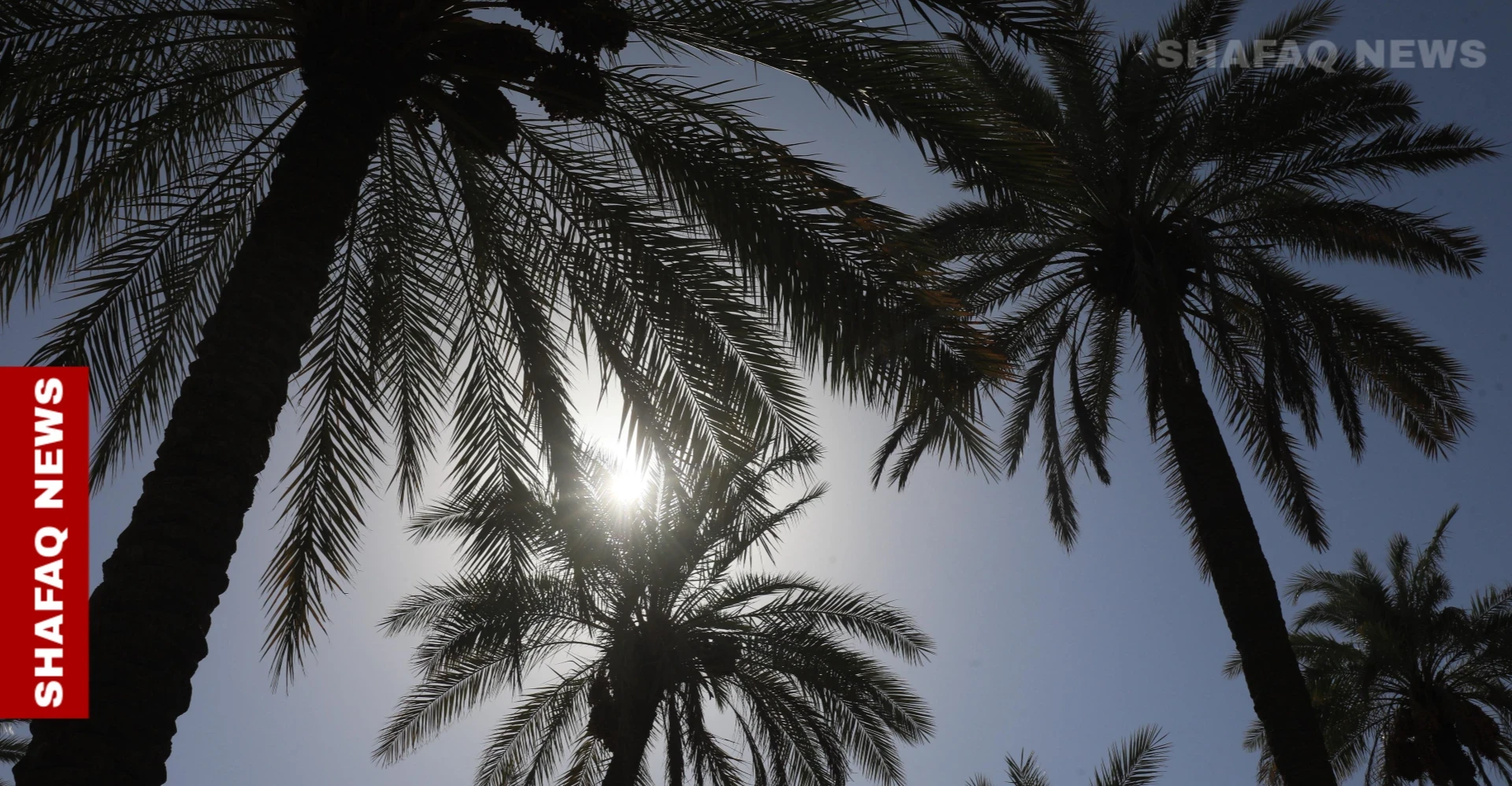
In addition to its wheat achievements, Iraq has also secured self-sufficiency in date production this year. The ministry is actively working to preserve and promote the country’s rich heritage of date-palm cultivation. The number of date palms in Iraq has seen a remarkable rise from around 12 million in 2003 to an impressive 22 million in 2026. This growth has played a significant role in achieving self-sufficiency, particularly with Zahdi dates, which make up a substantial portion of the production.
The success in date cultivation complements the ministry’s broader goal of reducing reliance on imported agricultural products. To support domestic farmers, the ministry enforces an agricultural calendar that includes bans on 33 imported products, while another 15 items face temporary restrictions that can be lifted if local supplies fall short.
Strategic Import Controls
The import restrictions are strategically designed to bolster local production when Iraqi crops—such as fruits, vegetables, and tomatoes—are readily available. Al-Hattab emphasized that decisions regarding import needs are grounded in thorough assessments conducted by specialized committees within the ministry. These committees routinely monitor market conditions through frequent inspections of local markets such as Alawi Jameela, Al-Rashid, and Jameela.
By relying on detailed analyses of market dynamics, the ministry ensures that import decisions are not made hastily but instead are based on real-time data about domestic supply levels. If local farm outputs meet the demand, imports will be deemed unnecessary. Conversely, in instances where shortages arise, the committees are prepared to evaluate the situation and consider allowing imports after a comprehensive review.
In summary, Iraq’s focused efforts on achieving agricultural self-sufficiency in wheat and dates mark a significant turning point for the country’s agricultural sector. These initiatives not only strengthen local food security but also foster economic growth by empowering local farmers and promoting sustainable practices.