
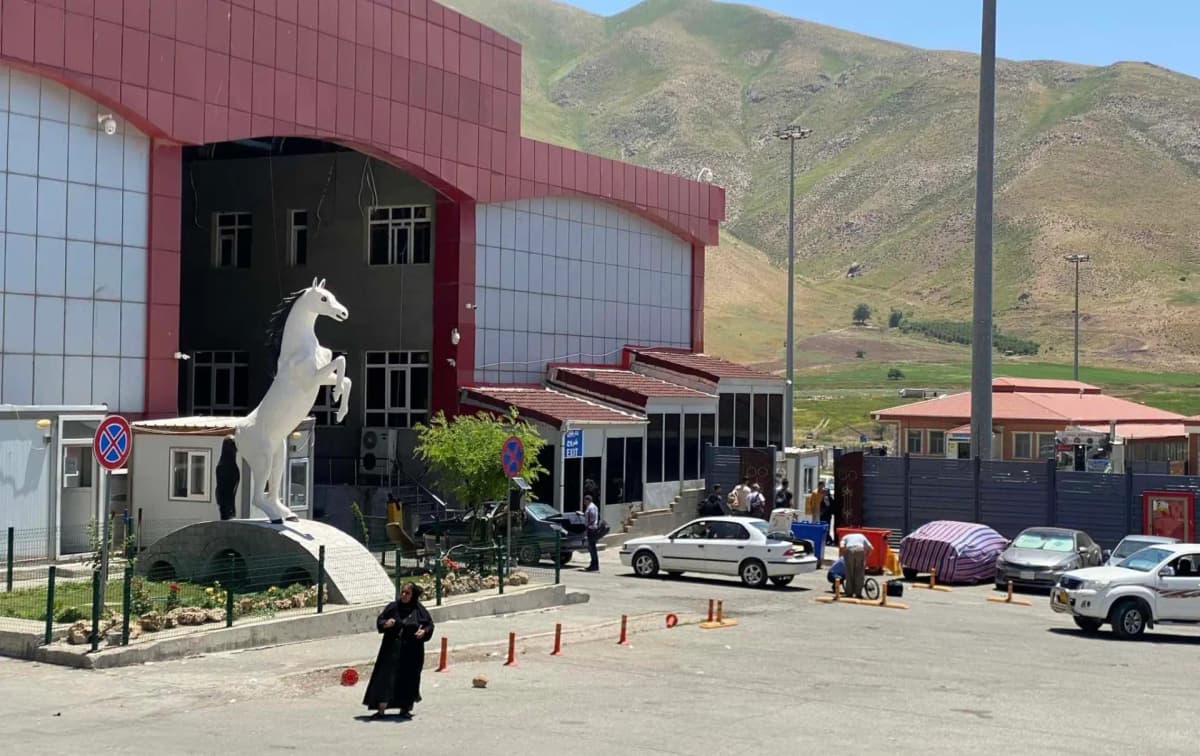
Erbil, the capital of the Kurdistan Region, is set to witness a remarkable increase in customs revenues, anticipated to surpass four trillion dinars by year-end. This forecast represents a significant rebound from last year’s revenue figures, even amidst challenges such as a 50% decline in earnings from seaports due to the ongoing regional conflict and restrictions placed on the Strait of Hormuz, according to officials.
Projected Revenue Growth and Current Figures
Samer Qasim, the Director-General of Iraqi Customs, stated that by the end of September, they expect total customs revenues to reach approximately three trillion dinars. The projected figure for the end of the year, a staggering four trillion dinars, reflects a remarkable upswing compared to the previous year, when the country generated around 2.4 trillion dinars in customs receipts. The increase indicates a resilient economic landscape despite recent hardships.
In July, customs revenues amounted to 560 billion dinars, while August saw figures drop slightly to 480 billion dinars. This fluctuation in monthly revenues emphasizes the necessity for ongoing reforms and adaptations within the customs sector to ensure sustained growth, especially in light of declining seaport revenues caused by geopolitical tensions.
Efforts to Modernize Customs Procedures
Iraq’s federal government is prioritizing the enhancement of non-oil revenues, focusing on modernization initiatives for customs processes. One such initiative is the implementation of the Automated System for Customs Data (ASYCUDA), developed by the United Nations Conference on Trade and Development (UNCTAD). This system aims to streamline customs clearance, facilitate electronic payments, and ensure efficient data exchange with various governmental agencies.
The transition from manual to electronic customs declarations is underway, with Iraq adopting ASYCUDA to improve operational efficiency. This transition is indispensable for enhancing revenues and reducing the impact of illegal border crossings. The finance ministry has emphasized the potential benefits of the system, notably in unifying customs tariffs and improving compliance.
Land Routes Gaining Importance
The current geopolitical climate has led to increased reliance on land routes. The Trebil border crossing with Jordan has surged as one of Iraq’s major commercial points, largely due to disruptions in maritime trade resulting from regional instability. Qasim noted that the decline in revenue from ports has emphasized the critical nature of land routes for facilitating trade.
Moreover, as the federal government continues to push for standardized tariffs and the implementation of ASYCUDA in the Kurdistan Region, both Erbil and Baghdad are making strides towards a more cohesive customs framework. Progress has been observed recently, including initiatives that extend ASYCUDA to the region, aiming for a more synchronized customs approach nationwide.
In summary, Iraq’s customs revenue landscape is witnessing notable improvements, despite facing significant challenges presented by regional conflicts. By modernizing customs procedures and fostering cooperation between regional and federal authorities, Iraq is not only adapting but setting the stage for a more prosperous economic future through enhanced revenue streams and effective border management.