
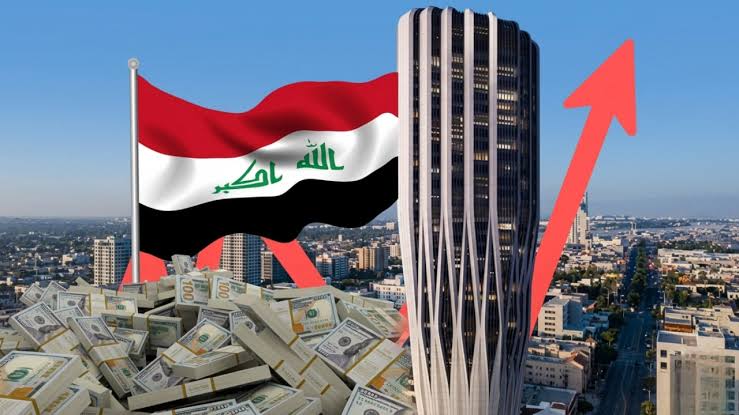
Baghdad, Iraq – Recent developments regarding Iraq’s legislative agenda have raised significant concerns among economic observers. The proposed borrowing law, under scrutiny by the Economic Observatory “Eco Iraq,” has come under fire for its potential impact on non-oil revenues and increasing the likelihood of corruption.
Concerns Over Legislative Proposals
On Saturday, Eco Iraq released a statement critiquing the Iraqi Parliament’s initiative to legislate a borrowing law. The proposed legislation, which comprises nine articles, aims to empower the Council of Ministers with the authority to borrow externally, capping this at $5 billion per instance. Furthermore, it allows the Minister of Finance to secure loans up to $2 billion without parliamentary approval for amounts beyond this cap. This arrangement raises eyebrows regarding transparency and accountability, particularly in a country where financial mismanagement has been a recurring issue.
Implications for Local Businesses and Revenue
One of the most pressing concerns cited by the observatory pertains to the tax and customs exemptions for lenders embedded within the law. By allowing such exemptions, there exists the risk of overwhelming the public treasury when projects are undertaken. The observatory warns this could lead to the importation of materials that fall outside the stated project scope, merely by exploiting these exemptions. Consequently, local contractors who adhere to tax regulations may find themselves at a disadvantage, as they face unfair competition from foreign entities exempt from such obligations.
Strategic Financing or Fiscal Mismanagement?
The legislation, titled the “Borrowing, Grants, and Subsidies Law” for 2026, aims to facilitate external borrowing to fund strategic projects. This initiative has been justified by the Parliamentary Finance Committee as a means to address persistent budget deficits, resolve financing challenges associated with public spending, and ensure fiscal sustainability. However, skeptics argue that such measures could exacerbate the very issues they seek to solve, especially if the borrowed funds are not allocated efficiently or transparently.
The committee also noted that the Minister of Finance is authorized to issue government debt guarantees of up to 5 trillion dinars annually. This power introduces more complexities into Iraq’s already volatile financial landscape. By permitting external borrowing in the current circumstances, where systemic issues of corruption and mismanagement exist, the potential for misuse escalates significantly.
In summary, while the proposed borrowing law could ostensibly provide solutions to immediate fiscal challenges, it raises important questions about the long-term implications for Iraq’s economy and governance. Stakeholders must navigate these complexities carefully to prevent increasing the burden on the country and its citizens. The debate surrounding this legislation will likely shape Iraq’s financial future, emphasizing the necessity for transparency and fair competition in fostering a sustainable economic environment.