
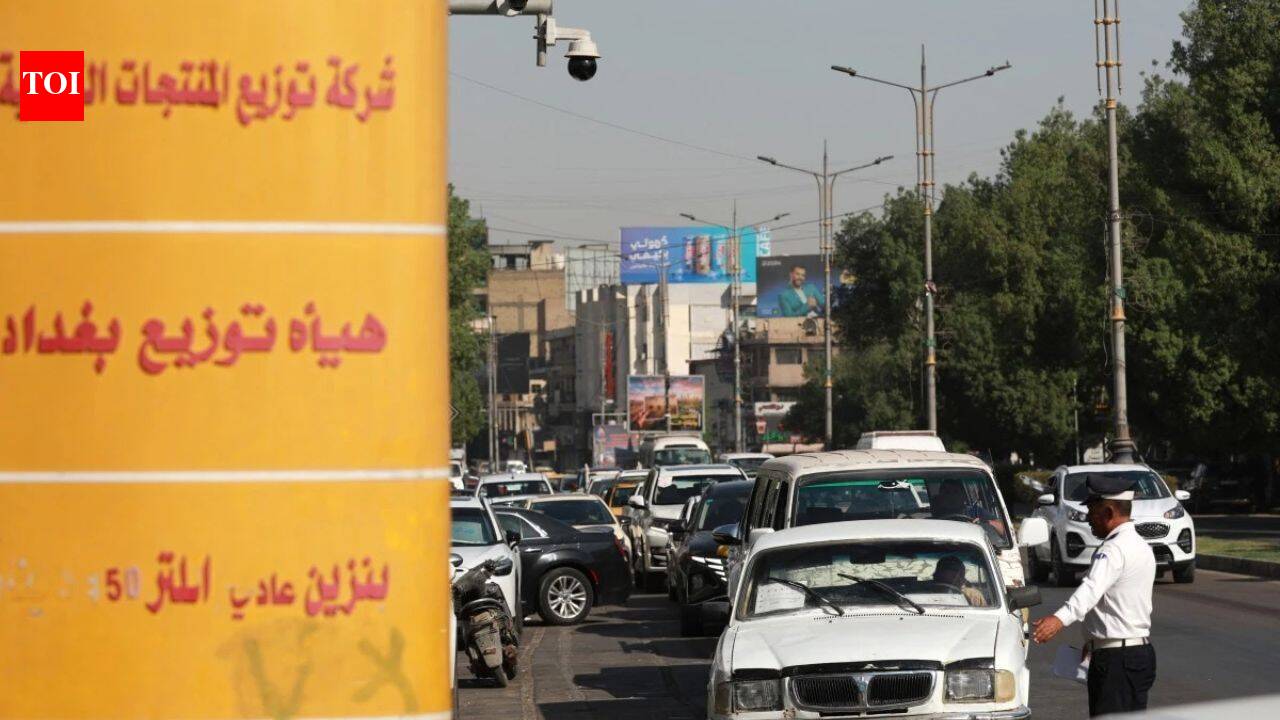
Iraq is currently grappling with severe petrol shortages, resulting in long lines at gas stations across Baghdad and beyond. The ongoing regional conflicts have disrupted fuel imports, exacerbating the situation for residents who rely heavily on gasoline for daily transportation.
Impact of Regional Conflicts on Fuel Imports
The petrol shortages in Iraq are closely linked to the broader implications of regional warfare affecting shipping routes, especially through the strategic Strait of Hormuz. This vital corridor is key for oil and fuel imports in the Gulf region. Recent reductions in tanker traffic have hindered Iraq’s ability to secure reliable gasoline supplies, pushing petrol stations to increasingly rely on limited domestic production. Salim Al-Rikabi, the spokesperson for Iraq’s oil ministry, noted that the country has been forced to import gasoline due to a significant gap between its domestic output and consumption needs.
As fighting continues in nearby regions, the movement of tankers has been severely impacted, resulting in delays in deliveries. Al-Rikabi mentioned that Iraq has only managed to secure a single tanker so far, with the ministry actively seeking more vessels to enhance daily supplies and bolster strategic reserves.
The Persistent Dependence on Imports
Despite being a prominent member of OPEC and a major crude oil producer, Iraq is heavily reliant on imported refined fuels as its domestic refineries fall short of meeting local demand. Reports indicate that Iraq’s daily gasoline production hovers around 31-33 million liters, while consumption can peak at approximately 38 million liters. This results in a shortfall of about 5 million liters each day, highlighting the chronic supply issues facing the nation.
Panic buying has exacerbated the challenges. The situation has led to visible distress in cities like Baghdad, with drivers facing extreme delays at petrol stations. Some gas stations have even been forced to close due to lack of fuel. Furthermore, the shortage of gasoil is causing significant disruptions for heavy vehicles, further compounding traffic congestion and straining the transport systems.
Government Response to the Crisis
The Iraqi government has stated that the current petrol crisis is temporary. Officials are reportedly working to secure additional tanker shipments and to replenish fuel reserves. The situation demands urgent attention, considering the significant impact on daily life and transportation in the country.
Though Iraq has made strides in enhancing its refining capabilities, including expansions at various facilities, the reliance on fuel imports remains a critical vulnerability. The U.S. Energy Information Administration (EIA) indicates that Iraq consumed nearly 1.1 million barrels per day of petroleum and related liquids in 2024. While domestic refining has increased, it has not yet fully met the nation’s demands, particularly for gasoline and diesel.
The International Energy Agency notes that Iraq had been making some progress in reducing its import dependency, as domestic refining activity saw an uptick. However, the ongoing disruptions highlight the need for a comprehensive strategy to bolster local production and diminish reliance on outside sources for refined fuels. As the government navigates this crisis, its ability to secure the necessary supplies will be critical in stabilizing the situation and restoring normalcy for its citizens.