
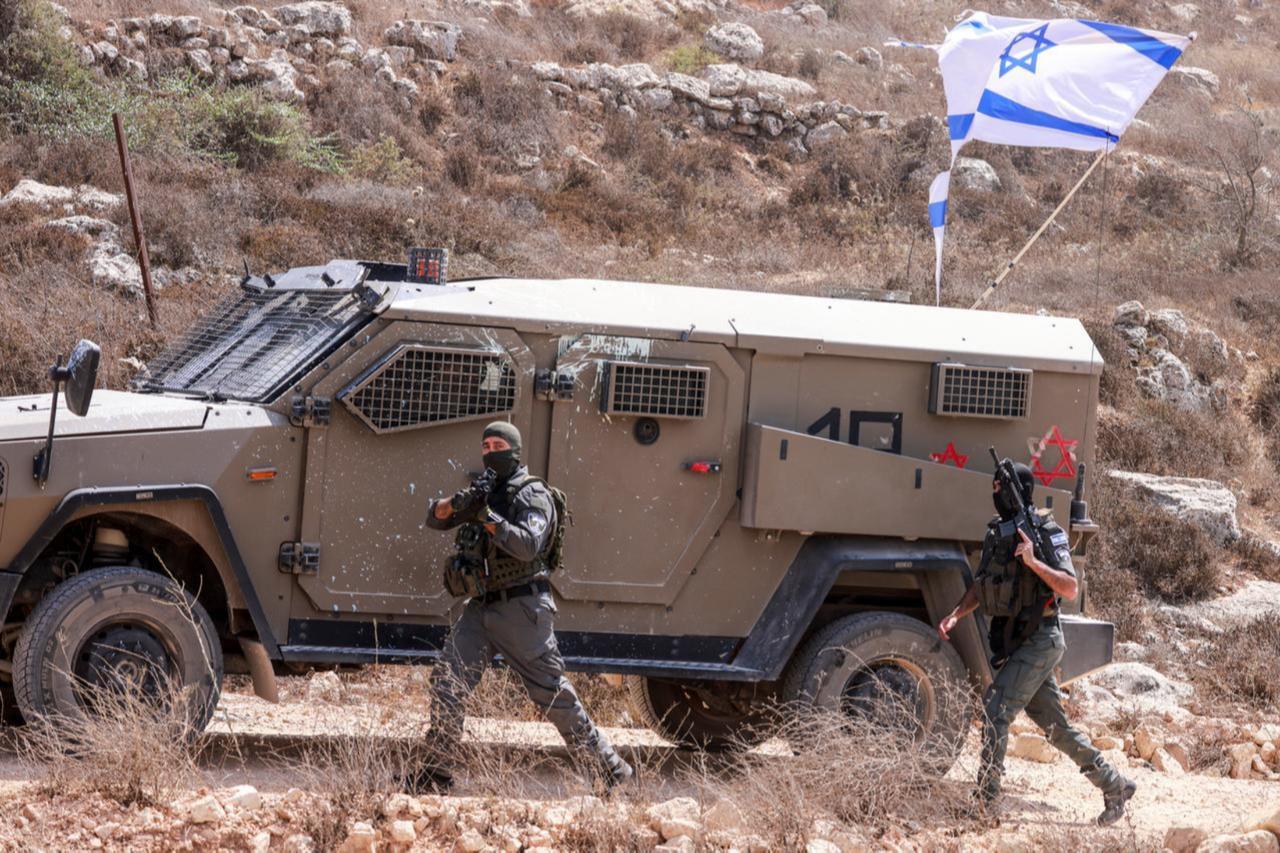
Israeli journalist Gideon Levy has raised alarm over the increasing violence perpetrated by Israeli settlers against Palestinians in the occupied West Bank. He asserts that these incidents are not isolated events but part of a broader, systematic initiative to forcibly remove Palestinians from the area—a campaign he describes as ethnic cleansing, supported directly by Israeli authorities.
Rising Settler Violence in the West Bank
Levy highlights a disturbing trend: the number of attacks by Israeli settlers has surged significantly in recent years. From 1,291 incidents in 2023, the figures rose to 1,449 in 2024, and reached 1,835 in 2025. In the first four months of 2026 alone, there were already 761 recorded attacks. This escalating violence appears to go unpunished, with over 90% of police investigations resulting in no indictments and a conviction rate of merely 3%. Critics argue this lack of accountability fosters an environment of impunity for settler violence.
In discussing the roots of this campaign, Levy notes that it often starts with the targeting of vulnerable communities and shepherding groups before extending its reach to larger villages and urban areas. He observes that while complete removal of Palestinians from the West Bank may be unfeasible, the strategy appears to focus on pressing out those who are most vulnerable. This raises serious concerns about humanitarian conditions and the overall future for Palestinians living in these territories.
Collusion Between Army and Settlers
Levy accuses the Israeli military of complicity in these violent acts, claiming that soldiers sometimes cooperate directly with settlers rather than protect the Palestinian population. He describes a climate in which Palestinians feel completely defenseless against this onslaught. Furthermore, he points to political figures like Finance Minister Bezalel Smotrich, who allegedly directs significant government funding toward new settlements, and Prime Minister Benjamin Netanyahu, who, according to Levy, has the authority to halt these activities but chooses not to.
The situation, he contends, perpetuates an apartheid-like legal framework where the rights of Jews and Palestinians under the West Bank’s legal system are starkly unequal. This systemic discrimination raises critical ethical questions about how justice operates within Israeli-occupied territories.
Political Motivations Behind Escalating Tensions
Levy also connects the ongoing tensions in the West Bank to Israel’s political landscape, asserting that they have intensified ahead of upcoming elections. He believes that international criticism has largely been ineffectual, lacking meaningful consequences for Israeli policies. While he acknowledges that countries like Türkiye may have taken a firmer stance, he feels that the U.S. and European Union have fallen short in applying serious sanctions.
The journalist underscores that current Israeli officials are working to expand territorial claims and establish new settlements before any possible shifts in government might hinder their ambitions. He asserts that approximately one million dunams of land have already been seized. Although Levy anticipates that a new government will likely replace the current administration, he doubts any substantial change in policies regarding Palestinians, the Gaza Strip, or southern Lebanon.
Levy concludes that the systemic issues at play will persist beyond the tenure of any single government. He fears that the underlying policies facilitating settler violence and depriving Palestinians of their rights will remain largely unchanged, despite any changes in leadership. This ongoing situation underscores the urgent need for a reevaluation of the status quo in the West Bank, as the plight of the Palestinian population continues to deteriorate amid unchecked aggression.