
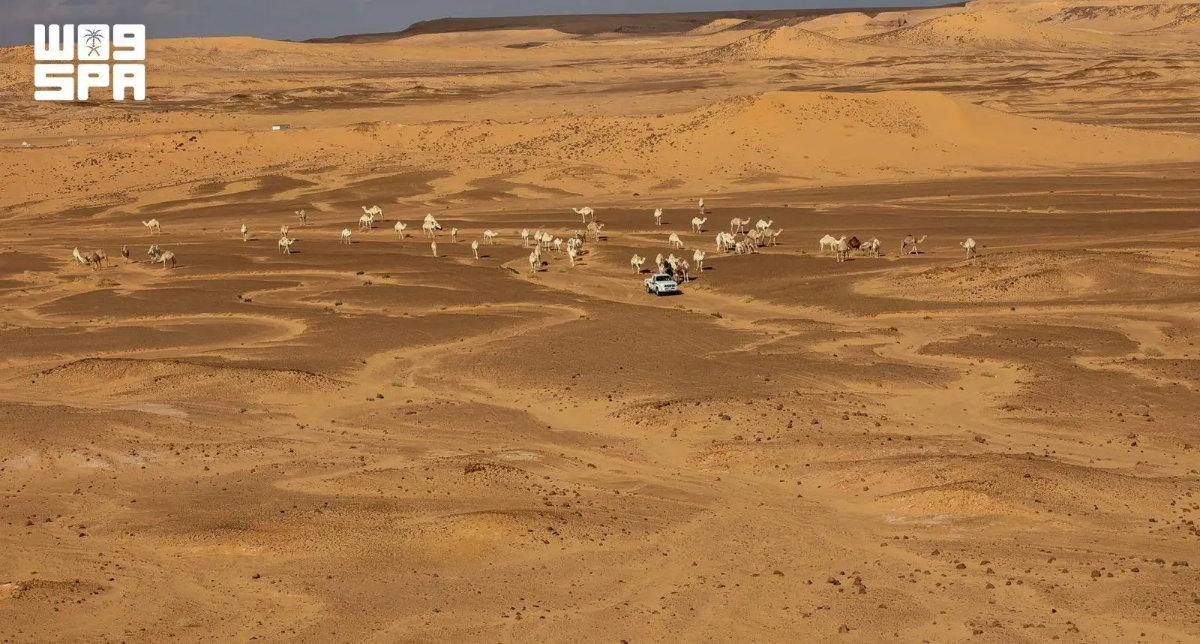
Saudi Arabia is taking significant steps to preserve its natural landscapes, focusing on sustainable practices in rangelands management. The Saudi Nature Reserve Authority has recently emphasized the urgent need for restrictions on overgrazing to secure the integrity of these vital ecosystems. Through these measures, the Saudi government aims to enhance biodiversity and ensure the longevity of its rangelands for future generations.
Importance of Sustainable Grazing Practices
Overgrazing has long been a concern in many parts of the world, and Saudi Arabia is no exception. The extensive grazing of livestock can lead to the degradation of soil quality, loss of native plant species, and increased erosion. Implementing sustainable grazing practices is crucial not only for maintaining healthy rangelands but also for supporting the local economy that relies on livestock farming. By regulating grazing patterns and promoting responsible livestock management, the authority aims to restore and enhance the health of these natural environments.
Strategies to Combat Overgrazing
To combat overgrazing, the Saudi Nature Reserve Authority is exploring various strategies. These include creating designated grazing areas, implementing rotational grazing methods, and encouraging the planting of native vegetation. The aim is to reduce the pressure placed on specific areas while allowing rest periods for the land to recover. Furthermore, public awareness campaigns will educate ranchers and local communities about the benefits of sustainable grazing practices. Engaging local stakeholders will be vital in fostering a sense of responsibility toward the environment.
Impact on Biodiversity and Ecosystem Health
Restricting overgrazing has far-reaching effects on biodiversity. Healthy rangelands support a wide array of flora and fauna, creating a balanced ecosystem that benefits not only wildlife but also human populations. As native plants flourish, they provide habitats for various species, contributing to a robust and diverse ecosystem. Maintaining this biodiversity is critical, especially in light of climate change, which poses ongoing challenges to natural environments. The governance of grazing activities can thus play a crucial role in mitigating these impacts.
Future Prospects for Saudi Rangelands
The future of Saudi Arabia’s rangelands looks promising with the introduction of these necessary measures. By enforcing restrictions on overgrazing and advocating for sustainable practices, the Saudi Nature Reserve Authority is setting a benchmark for environmental stewardship. As the government continues to prioritize ecological balance, we can anticipate a revitalization of rangelands that benefits both local communities and biodiversity at large. Ultimately, these initiatives highlight Saudi Arabia’s commitment to preserving its natural heritage for future generations.
In conclusion, effectively managing grazing can lead to thriving ecosystems, economic stability, and a sustainable future for Saudi Arabia’s rangelands. The collaborative efforts of government authorities, local communities, and stakeholders are essential in driving this change and ensuring the health of the environment remains a priority.