
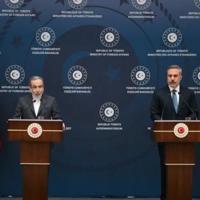
Turkish and Iranian Diplomatic Discussions Amidst Growing Tensions
On September 5, 2023, Turkish Foreign Minister Hakan Fidan engaged in a significant phone conversation with his Iranian counterpart, Abbas Araghchi. The primary focus of their discussion revolved around the ongoing negotiations with the United States. This dialogue is crucial as it sheds light on the complex geopolitical dynamics currently at play in the region.
Evaluation of Negotiation Progress
According to diplomatic sources from Turkey, both ministers thoroughly assessed the latest developments surrounding the U.S.-Iran talks. Since the initiation of hostilities, particularly after U.S. and Israeli military operations against Iran that began on February 28, the tensions in the region have notably intensified. Iran’s subsequent retaliatory measures, which included missile and drone strikes targeting Israeli and American interests, have further complicated the situation.
The negotiations with the United States are not merely a matter of diplomacy; they also encompass broader issues affecting regional stability. These discussions carry significant weight, as they could potentially reshape the balance of power and influence in the Middle East. Both Turkey and Iran have vested interests in ensuring that any agreements made do not further destabilize the already volatile environment.
The Strait of Hormuz: A Critical Point of Discussion
One of the pivotal topics discussed during the conversations between Ankara and Tehran is the Strait of Hormuz. In June, the U.S. and Iran signed a memorandum that addresses issues related to freedom of navigation in this crucial waterway. This agreement is particularly important, as the Strait of Hormuz is a vital passageway for oil shipments from the Gulf states. However, the implementation of this memorandum has met obstacles, primarily due to disagreements over security protocols in the strait.
The divergence in perspectives regarding security arrangements indicates that while diplomatic channels are open, substantial differences remain that could hinder progress. The U.S. has placed significant emphasis on ensuring the safety of navigation through this strategic route, while Iran has its own security concerns that need to be addressed. This situation necessitates continued dialogue to find a workable solution that accommodates both parties’ interests.
Conclusion: The Path Forward
As the international community watches the progression of these negotiations, the implications for regional security and diplomatic relations are profound. Ongoing dialogues between Turkey and Iran signify a recognition of the need for cooperative efforts in stabilizing the situation. The outcome of these discussions may not only redefine U.S.-Iran relations but also influence the broader geopolitical landscape in the Middle East.
In summary, the recent phone call between Turkish and Iranian officials symbolizes the urgent need for dialogue amidst escalating tensions. Only through sustained diplomatic engagement can there be a chance for lasting peace and stability in a region fraught with challenges. The next steps in negotiations will be crucial in determining the future trajectory of U.S.-Iran relations and the overall stability of the region.