
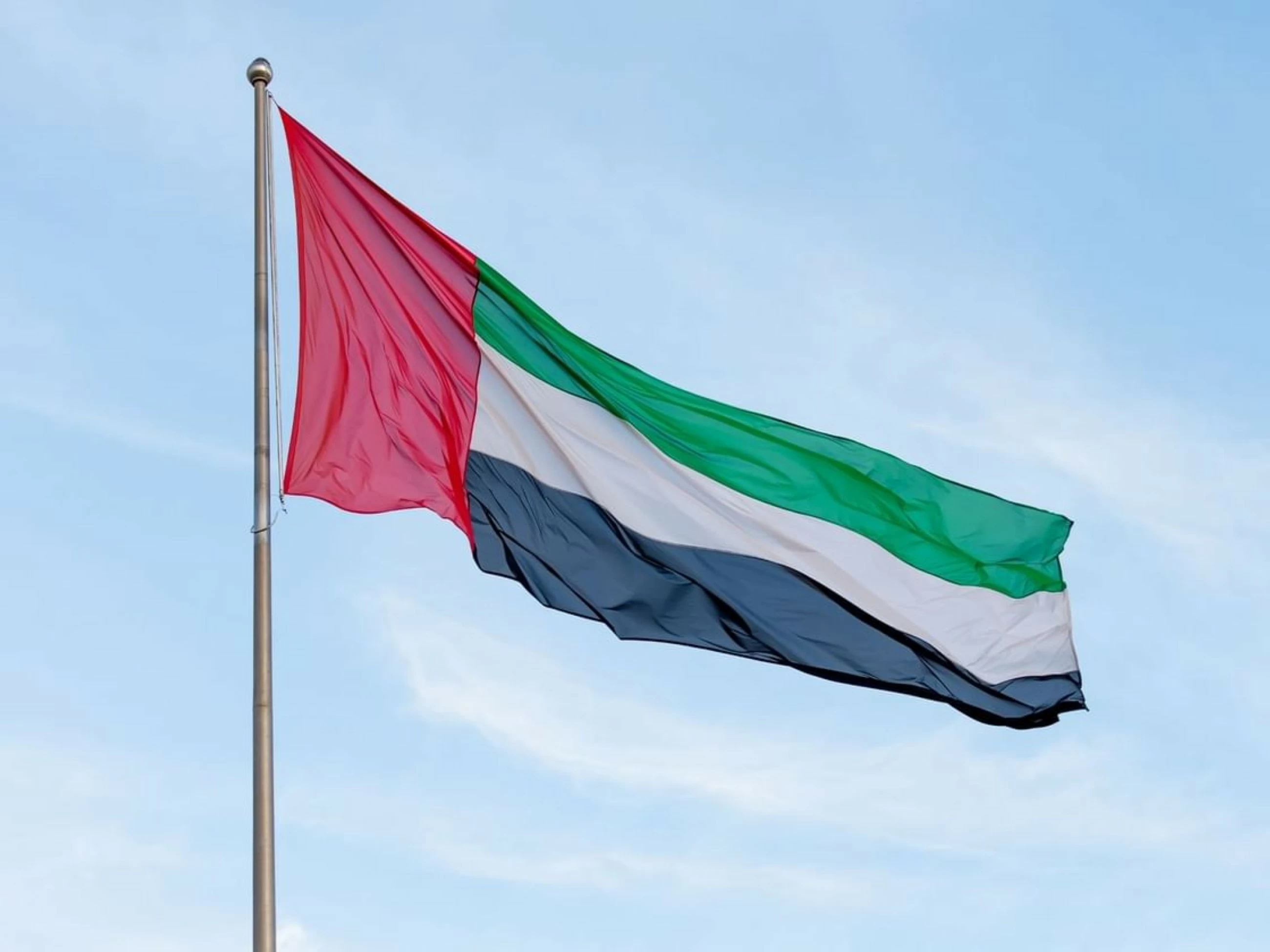
The foreign ministers from key Middle Eastern and Asian nations have united to denounce recent controversial statements, highlighting their commitment to regional stability and cooperation. This collective response underscores the importance of dialogue in addressing grievances and fostering understanding among countries.
Unifying Against Division
The Foreign Ministers of the United Arab Emirates, Saudi Arabia, Qatar, Jordan, Indonesia, Pakistan, Türkiye, and Egypt expressed their shared outrage over the provocative remarks made by certain officials. They emphasized the critical need for mutual respect and the promotion of peace in politically charged environments. The collaborative stand taken by these nations showcases a crucial moment in international diplomacy, emphasizing that divisive rhetoric can only detract from progress.
The ministers collectively stressed that dialogue is essential for solving conflicts and fostering cooperative relations. In a time where tensions can escalate rapidly, their unified condemnation serves as a reminder that constructive conversation and respect for different viewpoints are fundamental for stability.
The Role of Diplomacy in the Region
In an era where geopolitical dynamics frequently shift, the foreign ministers reiterated the importance of diplomacy as a tool to navigate complex relationships. Their stance highlights a mutual interest in working toward peace, encouraging nations to prioritize diplomatic efforts over inflammatory rhetoric. The collective voice illustrates a desire for a future where understanding outweighs conflict, fostering an environment conducive to collaboration.
Moreover, the ministers underscored the need for a comprehensive approach to peacebuilding that goes beyond mere condemnation. They called for constructive engagement, where grievances can be addressed openly and solutions found through negotiation rather than hostility. This approach is especially pertinent in regions with a history of conflict, where the repercussions of diplomatic failures can be dire.
Future Prospects for Regional Cooperation
Looking ahead, the unity demonstrated by these foreign ministers may pave the way for enhanced regional partnerships. By standing together against divisive statements, these nations have taken a significant step towards fostering an atmosphere of trust and cooperation. The ongoing commitment to dialogue suggests that there may be prospects for collaborative initiatives that can address various challenges, from security concerns to economic development.
The ministers also emphasized the importance of engaging with a broader global audience to amplify their message. By aligning their interests and presenting a united front, these nations can garner support for stability in the region. This collaborative spirit could lead to innovative solutions that benefit not only the nations involved but the international community as a whole.
In conclusion, the strong collective statement issued by the foreign ministers signals a significant turn towards solidarity and cooperation in the face of adversity. With a focus on diplomacy, these nations aim to foster peaceful communication and understanding, demonstrating that they are willing to work together for a brighter future. The commitment to dialogue not only stands as a testament to their goals but also captivates the international audience, inspiring a collective pursuit of peace and stability in a rapidly changing world.