
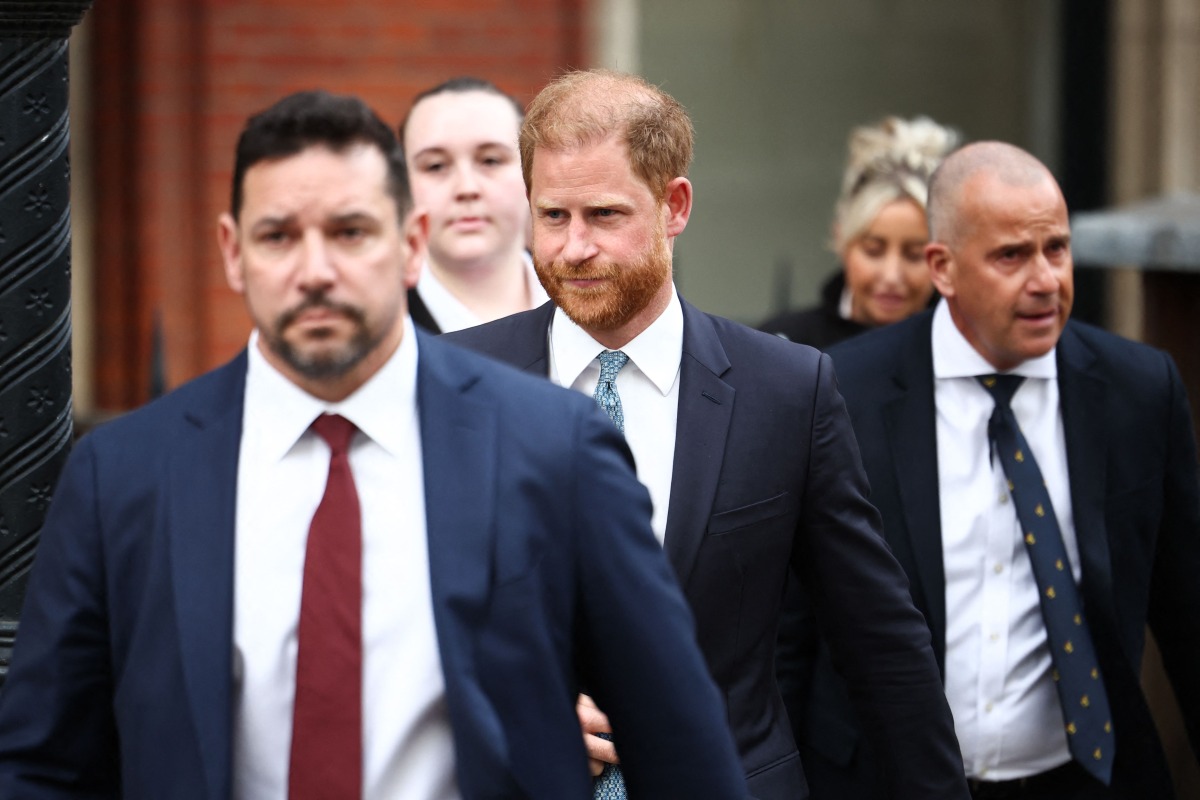
Prince Harry’s Security Concerns Spark Public Debate in Britain
Prince Harry’s recent visit to the UK has reignited discussions surrounding the funding and necessity of his personal security. As the Duke of Sussex navigates his life away from royal duties, many question whether taxpayers should bear the costs of safeguarding him and his family. Experts point to palpable threats present in today’s climate, making the issue all the more complex.
Security Revisions for the Duke of Sussex
Harry’s return to Britain with his wife, Meghan, and their two young children marks a significant moment in his complicated relationship with the royal family. After stepping back from royal responsibilities in 2020 amid a family feud, Harry has expressed heightened concerns about his safety. He previously engaged in a protracted legal battle to restore taxpayer-funded security while living in the United States but was unsuccessful in his efforts. Since entering the UK, reports emerged that the family arrived at Birmingham Airport with private security rather than the police protection Harry has been advocating for.
Scott Hamer, a former protection officer, highlighted the inconsistency in security provisions, suggesting that others deemed at lower risk receive police protection. This raises questions about why the Duke, who has expressed his fears regarding his family’s safety, does not qualify for the same level of protection.
The Vulnerability Factor
Residing in the picturesque Cotswolds of central England, Harry and Meghan have reportedly enrolled their children in private schools, bringing about new security concerns regarding everyday routines. This predictability makes Harry more vulnerable during school drop-offs and pick-ups, raising alarms about potential threats. Hamer emphasizes the importance of assessing this vulnerability given the public nature of these activities.
The Royal and VIP Executive Committee (Ravec) is responsible for determining which individuals receive police protection. However, following Harry’s relocation to North America, Ravec downgraded his security. The prince’s subsequent legal challenge to reverse this decision was dismissed, leading him to criticize the ruling as an “Establishment stitch-up.” Now back in the UK, it is anticipated that Ravec will reevaluate the threat level associated with Harry’s presence.
Public Perception vs. Legal Reality
Harry’s legal representatives have reached out to interior minister Shabana Mahmood, expressing disappointment in Ravec and asking for government intervention. While a spokesperson defended the protection system as “rigorous and proportionate,” public sentiment paints a different picture. Recent polling indicates that the majority of the public believes Harry should finance his security, with only a small percentage supporting taxpayer funding.
Critics argue that if Harry can afford security in the United States, he should be able to do the same in Britain, especially since experts contend that the UK is significantly less dangerous. Royal commentator Andrew Lownie noted that, irrespective of Harry’s status as a working royal, former prime ministers are still granted protection, underscoring a sense of fairness in public funding. However, the anticipated cost of reinstating taxpayer-funded security for Harry and his family remains a significant concern.
Heightened Risks and Ongoing Challenges
Beyond financial implications, Harry believes that his royal lineage and military background elevate the threat level against him. Having served two tours in Afghanistan and revealing sensitive details in his memoir, he has sparked controversy that could exacerbate his security challenges. The debate intensifies as experts weigh the risks he faces against public opinion regarding the use of taxpayer funds for his protection.
As discussions continue, the question of whether Prince Harry deserves reinstated police protection looms large over his family’s future in the UK. The struggle between personal choice and public expectation remains, as the implications of these decisions affect not only Harry but also the broader dialogue about safety and accountability for those in the public eye.