
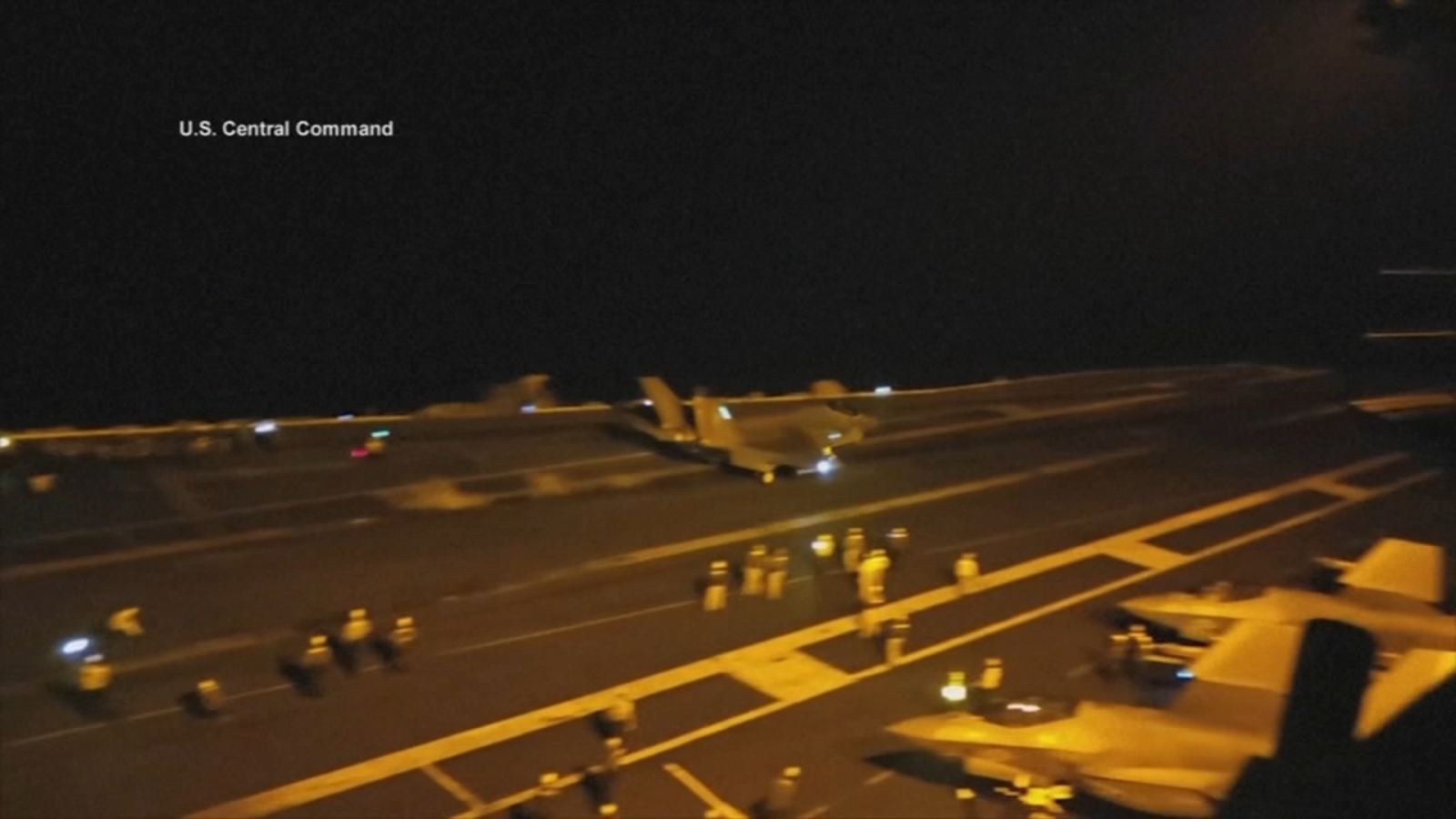
Iran recently claimed to have targeted a U.S. drone attempting to enter the Strait of Hormuz, which the U.S. military has vehemently denied, branding the assertion as total fabrication. This claim marks yet another chapter in the escalating conflict between the two nations.
Recent Escalations in U.S.-Iran Relations
The purported drone strike comes in the aftermath of U.S. military actions against Iranian oil tankers, a response to missile provocations aimed at American naval vessels. The hostilities can be traced back to heightened military exchanges that commenced with U.S. and Israeli incursions into Iran on February 28. Although a ceasefire was established in June, sporadic clashes have continued as both sides strive to exert military and economic pressure amidst failing negotiations.
Outcomes of Renewed Hostilities
Just last week, both the U.S. and Iran reignited their assaults after a month of relative peace, targeting the vital maritime region of the Strait of Hormuz and nearby Iranian settlements. Reports confirm that U.S. airstrikes in southern Iran resulted in at least five casualties earlier this week. Seeking to apply a multi-faceted strategy, the previous U.S. administration opted for military retaliations while concurrently penalizing foreign financial institutions that facilitate transactions with Iran.
Iran’s Resilience and Adaptation
Despite ongoing scrutiny and sanctions, Iran’s hard-line leadership has shown a commitment to withstand external pressures. Over decades, the country has devised methods to bypass sanctions and the current U.S. blockade to sell its oil. A clandestine fleet has emerged to covertly transport Iranian oil, an essential lifeline for the nation amid escalating economic challenges.
Nuclear Negotiations and Global Implications
Concurrently, Iran’s nuclear ambitions, which significantly contributed to the initiation of the conflict, were slated for negotiation discussions that faltered shortly after a memorandum of understanding was reached in June. Key international players, including the U.S., Britain, France, and Germany, are reportedly preparing to bring Iran before the U.N. Security Council for its failure to meet nuclear non-proliferation commitments. More troublingly, Tehran has transformed the Strait of Hormuz—a crucial route for global oil and natural gas trade—into a strategic leverage point during this crisis, further complicating international energy security.
As tensions mount, the international community watches closely, aware that developments in this region could have far-reaching consequences not only for U.S.-Iran relations but also for global energy markets.