
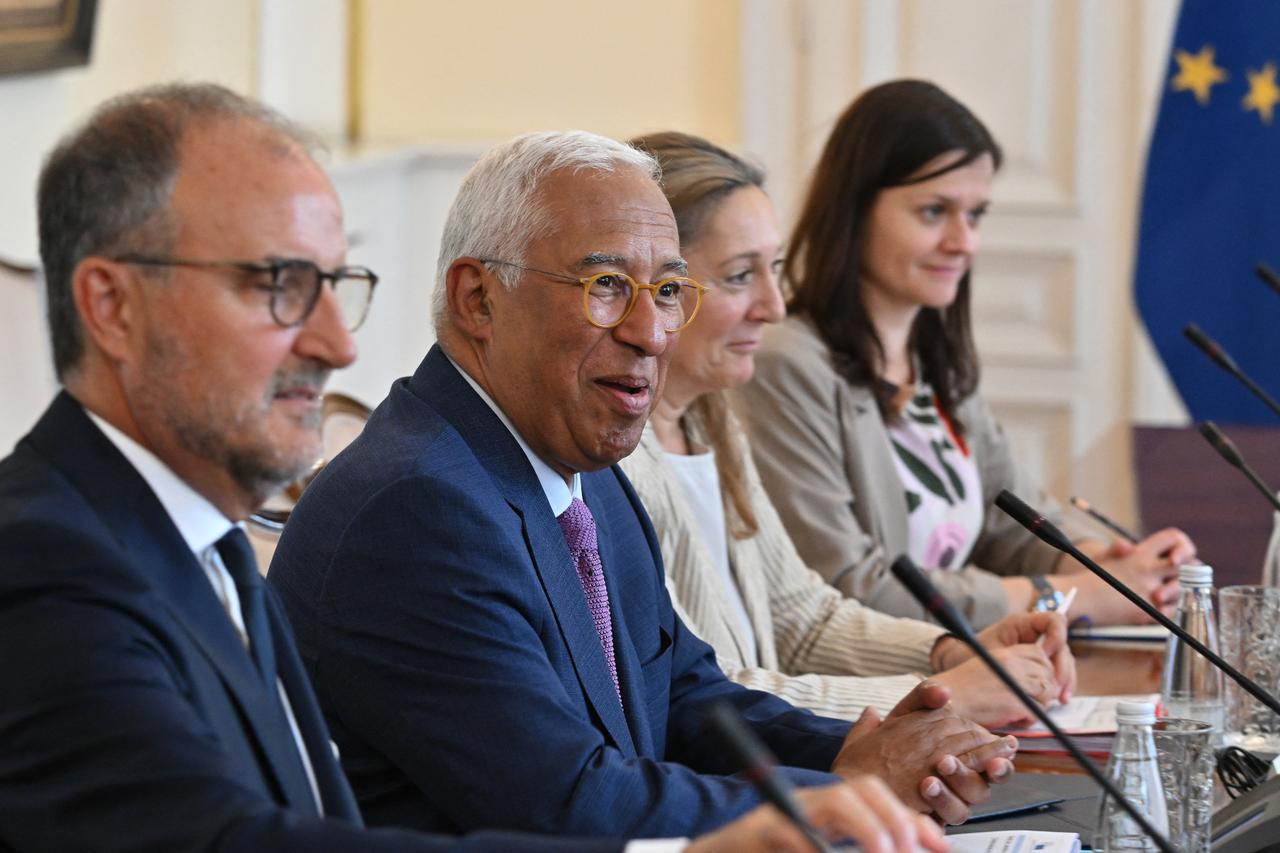
European Council President Antonio Costa recently emphasized that the European Union’s expansion to include Ukraine, Moldova, and the Western Balkans will enhance the bloc’s role as a significant geopolitical player. Speaking at the Cernobbio Forum in Italy, Costa described this enlargement as a pivotal investment in Europe’s future and a vital step toward bolstering peace, security, and prosperity across the continent.
Significance of EU Enlargement
Costa articulated that the upcoming expansions are among the most critical geopolitical moves Europe has undertaken. He stated, “Enlargement has fortified democracy, the rule of law, and our collective prosperity and resilience.” This expansion is not merely about geographical boundaries; it’s about unifying diverse nations under a shared commitment to European values. As these regions join the EU, they bring their unique perspectives and strengths, contributing to a more robust collective identity.
The potential integration of Ukraine, Moldova, and the Western Balkans reflects the European Union’s long-term vision of creating a more cohesive and stable continent. Costa underscored how this enlargement is pivotal not only for the bloc but also for international relations, as a united EU can better address global challenges and foster diplomatic relationships.
Calls for Greater Unity and Competitiveness
Despite the optimistic outlook on enlargement, Costa acknowledged that the EU must make substantial improvements in its competitiveness and agility. He dismissed comparisons suggesting that Europe is lagging behind by highlighting the bloc’s need for a more united front. He stressed the importance of EU leaders focusing on an action plan that aims to complete the single market, eliminate bureaucratic hurdles, and ensure energy affordability.
Costa’s proposals also extended to enhancing industrial capacity and reducing dependency on external resources. He emphasized the necessity for deeper capital markets and investment in groundbreaking technologies, particularly artificial intelligence. This forward-thinking approach aims to position the EU at the forefront of innovation and economic development.
Furthermore, Costa highlighted the importance of a robust EU budget that can sustain competitiveness, defense, security, and overall strategic resilience. He pointed to ongoing geopolitical tensions, particularly in the Middle East, as a stark reminder of Europe’s need to become more self-reliant and less dependent on outside influences.
As the EU moves forward with its enlargement strategy, the focus on unity and competitiveness will be crucial for its success. The integration of new member states will not only enrich the Union but also elevate its standing in international affairs, reinforcing the EU’s commitment to promoting peace and stability across the continent.
In conclusion, the anticipated expansion into Ukraine, Moldova, and the Balkans promises to be a transformative element for the European Union. By fostering closer ties with these nations, the EU is not just extending its borders; it is also fortifying its position as a leading global actor dedicated to democratic values and collective prosperity.