
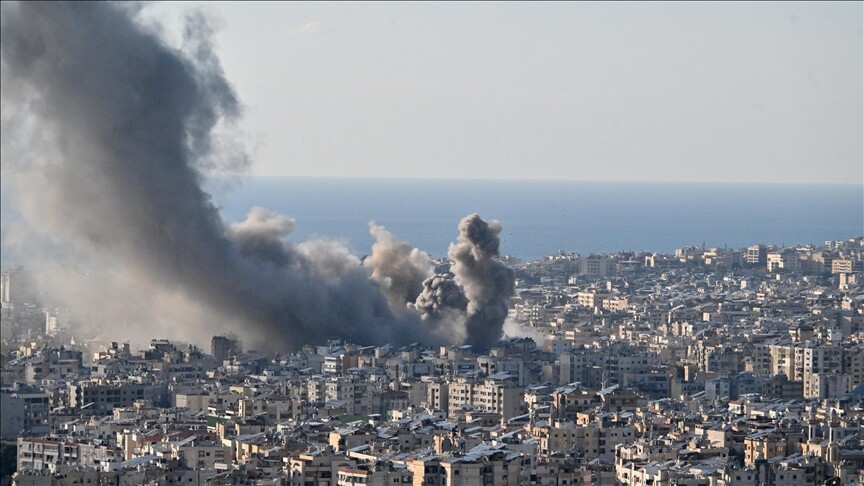
Lebanon’s Foreign Minister, Youssef Rajji, has condemned Israel’s ongoing military actions against his country, emphasizing that diplomatic negotiations with Tel Aviv are the most effective way to halt these hostilities. His statements come in the context of heightened tensions and the need for a unified approach to resolving longstanding territorial disputes.
Ongoing Tensions and International Law Violations
During a recent meeting of the Arab League Council’s foreign ministers held in Cairo, Rajji declared that Lebanon is at a critical juncture in asserting its authority throughout its territory. He called for Israel to withdraw behind internationally recognized borders, highlighting the urgent need for Lebanon to reclaim control over disputed areas. Rajji condemned what he termed Israel’s “ongoing attacks, violations of international law, and occupation of significant portions of Lebanese land,” asserting that this situation undermines both peace and regional stability.
Negotiations as a Pathway to Peace
Rajji pointed out that the negotiations sponsored by the United States represent the most promising avenue for stopping the Israeli attacks. “The US-sponsored dialogue is crucial for compelling Israel to respect international borders and cease its military actions,” he stated. The ongoing talks, which have included several rounds of direct discussions, aim to establish a framework for peace and to address various contentious issues, including military engagements, border disputes, and the treatment of prisoners.
Past Conflicts and Future Implications
The Foreign Minister did not shy away from addressing the role of Hezbollah in exacerbating conflicts with Israel. He accused the group of leading Lebanon into two wars with Israel over the last two years, despite dire warnings regarding the potential security repercussions for the nation. Rajji’s remarks underscore the complex geopolitical landscape in which Lebanon must navigate, balancing internal factions while seeking international allies.
Framework Agreement and Casualties of War
Negotiations have included a framework agreement designed to provide for a gradual Israeli withdrawal from occupied areas, alongside the deployment of the Lebanese army and disarmament of non-state armed entities. However, despite this agreement, Israel has persisted in its military actions. Recent statistics released by the Lebanese Health Ministry reveal that since early March, over 4,000 lives have been lost, with more than 12,000 individuals suffering injuries due to Israeli attacks.
The situation in Lebanon thus remains precarious, as the government seeks to reestablish control and engage in diplomatic efforts to resolve these issues. The outcome of the ongoing negotiations and the effectiveness of international pressure will likely determine the future stability of Lebanon and its relations with Israel. In the face of continued violence, the call for peaceful negotiations and adherence to international law becomes not just a necessity but a cornerstone for future security and prosperity in the region.