
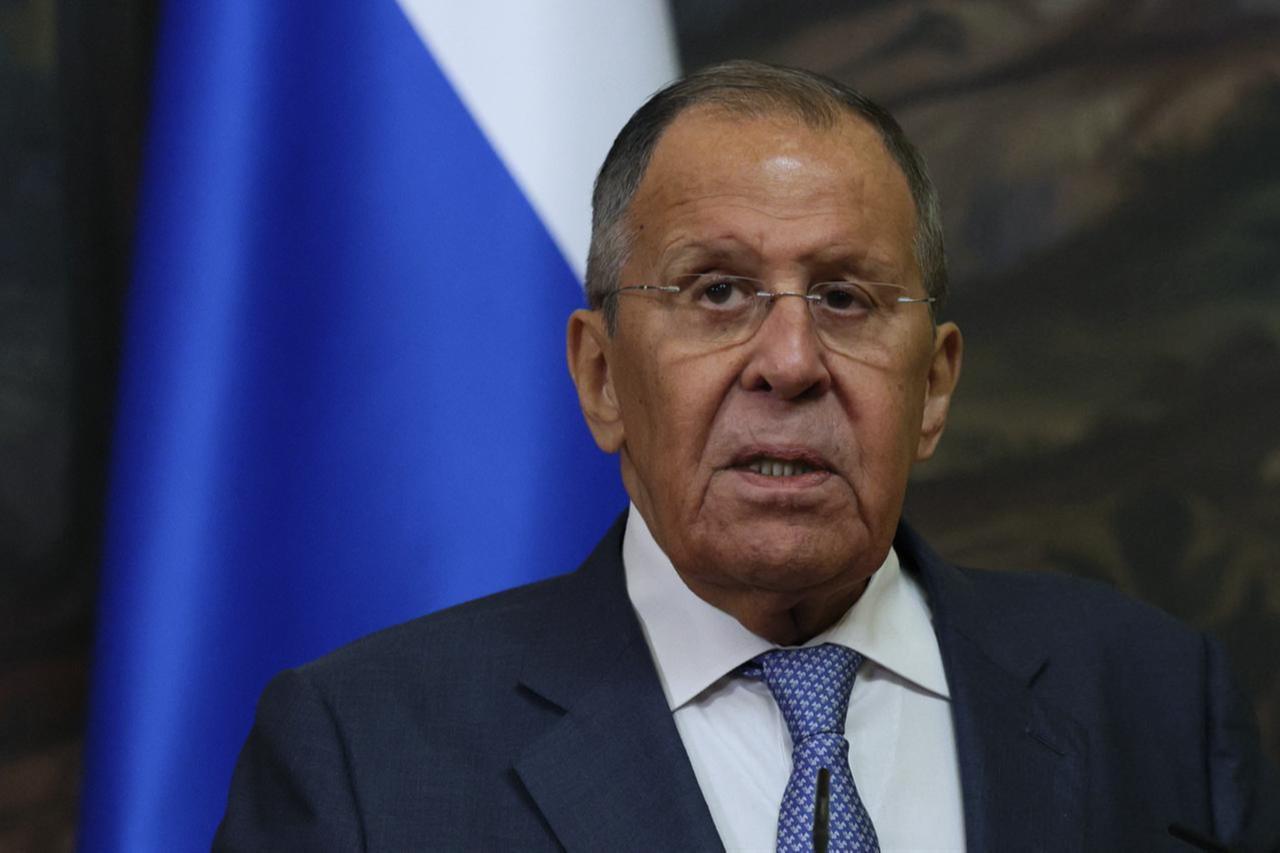
Russian Foreign Minister Sergey Lavrov recently highlighted the Mecca Agreement as a significant framework for enhancing collective security in the Gulf region. This agreement, proposed by Saudi Arabia, Pakistan, and Türkiye, holds the potential to foster collaboration among Gulf states and possibly incorporate Iran into wider regional security discussions.
The Mecca Agreement as a Security Framework
During a talk with students and faculty at Moscow State Institute of International Relations, Lavrov characterized the Mecca Agreement as a potential foundation for forming a defensive alliance. He noted that the architects of this agreement welcome participation from additional nations, extending beyond those situated in the Gulf region. Notably, he pointed out that Egypt has often been cited as a possible participant, and Algeria could also play a positive role if it expresses interest.
The Russian Minister emphasized that establishing conditions for Iran’s inclusion would represent a significant advancement toward a comprehensive security framework—an idea that Moscow has advocated for over two decades. Lavrov’s comments suggest that higher-level diplomatic engagement could be in the offing, with hopes of smoother interactions among countries traditionally viewed as rivals.
Acknowledging Historical Context
Lavrov reminded the audience of Russia’s early initiatives to initiate dialogue between Gulf nations and Iran, dating back more than 20 years. His approach aimed to create a venue for governments to air grievances and pursue confidence-building measures, with the backing of regional organizations like the Arab League and the Organization of Islamic Cooperation. The aim has always been to promote stability in a region known for its complex geopolitical dynamics.
The engagement with various international entities is seen as crucial for laying the groundwork for meaningful discussions—efforts that have the potential to catalyze a collaborative security environment in the Gulf. These efforts could set the stage for a new era characterized by improved relations and integration among member states.
Impact of Recent Geopolitical Developments
Lavrov also mentioned the shift in the geopolitical landscape stemming from recent U.S. and Israeli military operations against Iran. This action had significant implications, especially since prior to this military initiative, Iran and Saudi Arabia had taken steps toward normalizing their relations, primarily through a deal facilitated by China with encouragement from Russia. This diplomatic thaw had brought a fresh perspective to the history of tension between these two regional powers.
As Lavrov elaborated, the evolving security dynamics require continued dialogue and mutual understanding among Gulf nations. He expressed that Russia does not seek to dominate the discussion but rather aims to contribute constructively to easing tensions in a highly volatile region.
In summary, the Mecca Agreement stands as a pivotal opportunity for fostering security collaboration among Gulf states and potentially integrating Iran into broader discussions. As regional powers assess the implications of recent military actions and previous diplomatic efforts, the path forward remains pivotal for achieving lasting peace and stability in the Gulf region.