
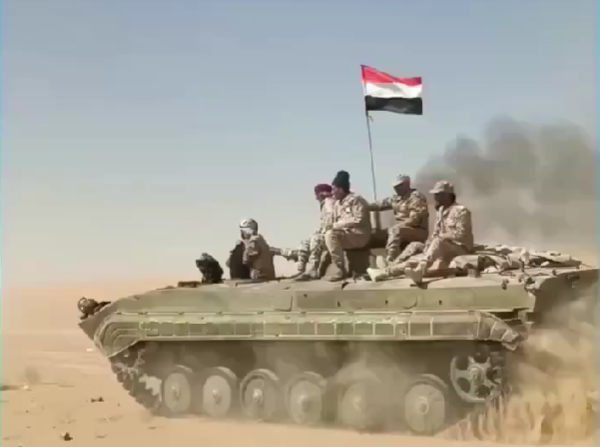
In recent clashes in Yemen, the death toll has surpassed 300 as the conflict between the Saudi-aligned government and Iran-backed Houthis escalates across the entire front. This resurgence of violence highlights the ongoing strife in a region already deeply affected by years of warfare.
Recent Houthi Offensive and its Impact
On Thursday, Houthis launched a significant attack on government troops, resulting in over 120 fatalities as they attempted to disrupt the crucial link between the port city of Mokha and Taiz in the highlands. This offensive also included assaults on Saudi shipping and oil facilities in the area, symbolizing a broader strategy likely intended to bolster their presence and influence in the region. In response, Yemen’s government forces initiated multiple counter-offensives targeting Houthi positions along the coastline and in the northern desert areas adjacent to Saudi Arabia.
The government’s intent is clear: they aim to seize the port city of Hodeidah, the last major port capable of supplying Houthi forces in Yemen’s interior. Speculation abounds regarding the motivations behind this latest wave of conflict. Some analysts suggest that Iran may be attempting to open a new front to apply pressure on the United States. Others argue that recent attacks on Sana’a airport, which limited Houthi access to essential supplies, have forced the group to pursue more aggressive territorial gains.
The Strategic Importance of Taiz
Control over Taiz could significantly enhance Houthi power by giving them the ability to influence passage through the Bab el-Mandeb strait—an essential maritime route. This would not only strengthen their position in negotiations with the US but would also facilitate resupply routes from Iran, increasing their operational capability within Yemen. Although the initial Houthi push faced significant resistance, government counteroffensives were notably more effective—a promising sign for the Saudi-aligned forces.
Reports indicate that government forces successfully advanced on multiple fronts, pushing as far as 30 km (about 18.6 miles) inland. However, progress has been hampered by fierce fighting in Taiz, resulting in the displacement of over 20,000 individuals, according to the UN’s International Organization for Migration.
The Role of Yemeni National Resistance and Future Outlook
The Yemeni National Resistance (YNR) has been a leading force in coastal confrontations. Initially composed of elite Republican Guard members, the YNR has received support from the UAE, further enhancing its fighting capabilities. Criticism has emerged regarding its status as a faction potentially loyal to Tareq Saleh, nephew of the former president, which complicates the dynamics on the ground. While the southern front has largely stalled, the northern front has seen fluid exchanges of power, with alleged Saudi airstrikes allowing government forces to gain momentum.
Claims of Houthi forces retreating from vulnerable positions in the north coincide with reports from Yemeni state TV indicating that several Houthis surrendered following the capture of strategic military camps. This suggests a shift in the battlefield dynamics, as local tribes in the northern al-Jawf area appear to be rallying in support of the government, indicating a possible turning point in the ongoing conflict.
In conclusion, although government forces have made some territorial gains, the situation remains complex and volatile. Both sides are preparing for sustained conflict, with Houthis retaliating against targets in Saudi Arabia in response to airstrikes. As events unfold, the stakes for both the Yemenis and foreign powers involved will continue to grow, influencing regional stability and security.