
Germany is currently facing legal challenges posed by Nicaragua regarding allegations of breaching international law by providing military supplies to Israel. This complex situation has emerged in the wake of ongoing tensions in the Middle East, and it raises critical questions about international obligations and accountability.
Nicaragua’s Allegations Against Germany
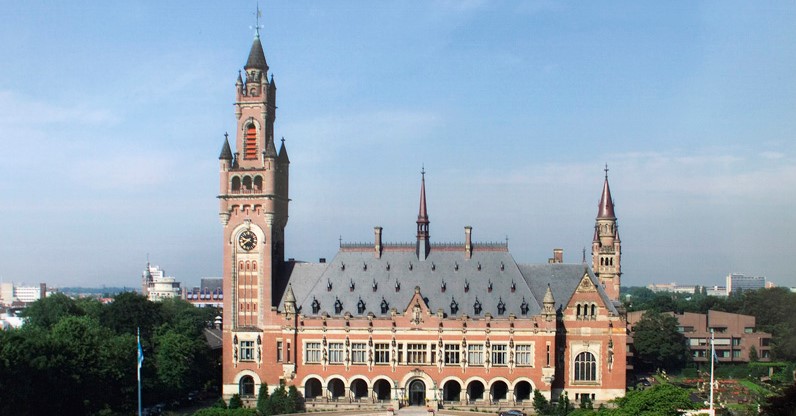
Nicaragua has filed a case against Germany in the International Court of Justice (ICJ), claiming violations of the Genocide Convention and multiple Geneva Conventions due to Germany’s continued military support for Israel amid its conflict with Gaza. According to Nicaragua, these actions not only contravene established international laws but also contribute directly to acts of genocide against the Palestinian people. Nicaragua’s argument is centered on the assertion that Germany is violating its responsibility to prevent such atrocities by supplying arms that facilitate these actions.
Julia Monar, Germany’s legal representative, has responded vigorously to these allegations. She contended that the ICJ lacks jurisdiction in this matter, noting that a fundamental requirement for the court’s involvement is a genuine dispute. Monar asserted that Germany had not been given the opportunity to address Nicaragua’s concerns before the commencement of the case, thereby nullifying the basis for the court’s engagement. Additionally, she pointed out that the events in question occurred before Germany accepted the court’s jurisdiction, rendering them ineligible for litigation.
Germany’s Commitment to Israel and International Law
Monar further emphasized that Germany has consistently upheld its obligations under both domestic and international law. She rejected Nicaragua’s assertion that her country has been non-compliant with its international duties, claiming that Germany’s legal framework does not allow for any deviations in fulfilling these obligations. Moreover, Monar reaffirmed Germany’s historical connection to Israel, attributing this support to its deep-seated responsibility following the Holocaust. She maintained that this unwavering commitment coexists with recognition of the Palestinian people’s right to self-determination.
The pending court proceedings will showcase Nicaragua’s first oral argument on September 8, where the country intends to articulate how Germany’s actions have failed to prevent genocide against Palestinians. Nicaragua aims to argue that not only is Germany neglecting its preventive obligations, but it is also complicit through its continued military support.
Historical Context and Long-standing Relations
Germany’s military relationship with Israel is significant; it stands as one of the largest arms suppliers to the nation. Former Chancellor Olaf Scholz has publicly declared this alliance as a long-term commitment, which he characterized as a ‘perpetual task’ stemming from Germany’s historical accountability. This perspective fosters a narrative of support for Israel that spans decades and influences Germany’s current geopolitical stance in the Middle East.
In contrast, Nicaragua has historically aligned itself with Palestinian interests. The nation was the first in Central America to establish diplomatic ties with Palestine, driven by shared experiences of colonization and advocacy for liberation. This alliance underscores Nicaragua’s stance on the global stage, particularly as it protects and promotes the rights of those in Palestine.
As the case moves forward, it not only spotlights the legal dimensions of international relations but also the moral imperatives tied to historical legacies and evolving geopolitical alliances. The outcome may set substantial precedents for how countries manage their interactions concerning international law and human rights.