
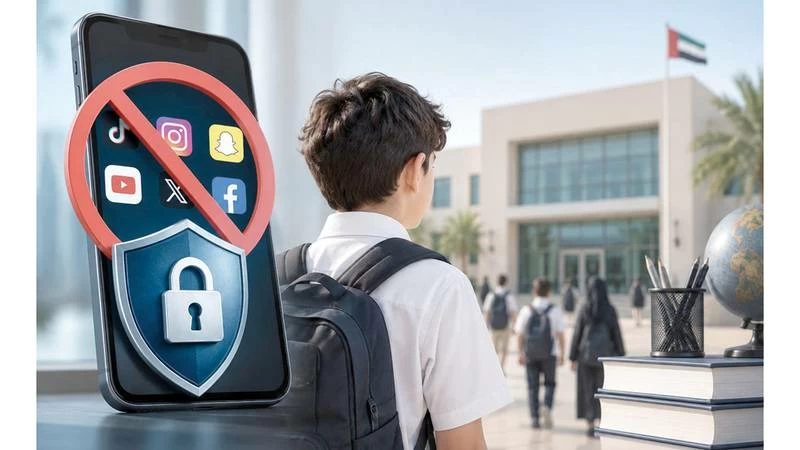
As the new academic year unfolds, schools are taking significant steps to reshape the communication dynamics between students, teachers, and families. By minimizing reliance on social media, educational institutions are adopting alternative methods that aim not only to enhance academic sharing but also to ensure a safer digital environment for younger students.
Redefining Communication Channels
In Dubai, school administrators are implementing a ban on social media platforms for students under 15 years of age. This change marks the beginning of a new communication strategy where essential information and interactions will occur through secure institutional channels. The aim of this restructuring is to empower families to monitor communications while enhancing digital safety measures to reduce the chances of students bypassing age restrictions.
Principals have pinpointed five essential pathways for this transition, emphasizing the use of educational platforms for content management, school portals for announcements, and email communications for direct exchanges. Furthermore, parents will be engaged through specialized channels for alerts and approvals, supplemented by digital awareness programs. This multifaceted approach helps ensure that personal accounts are separate from educational environments, thereby fostering effective communication that is both organized and secure.
The Role of Families in Digital Safety
Experts in education and family affairs highlight that the new communication strategy imposes clear boundaries on digital responsibilities. While parents oversee their children’s activities outside of school, educational institutions are tasked with managing their networks, devices, and official channels. The intention is to enhance awareness and provide necessary interventions when any digital behavior begins to impact school life negatively, such as cases of cyberbullying or unauthorized content sharing.
It’s important to note that this initiative doesn’t position teachers as monitors of students’ personal lives. Instead, the educational emphasis shifts towards addressing issues that directly affect student safety and learning outcomes. The ultimate goal is to create an environment where families and schools work collaboratively to build awareness, enforce responsible digital behavior, and encourage positive interactions beyond screen time.
Creating Official Communication Networks
According to Nasser Al-Yasi, principal of a local school, establishing communication through official school channels is vital for delivering academic content effectively. By moving interactions away from personal social media accounts, educational institutions can provide a more organized, secure, and monitored environment. Official channels will now serve as primary sources for information on school activities, competitions, and other essential announcements, allowing all students to stay informed without relying on social media.
Salma Eid, another school principal, echoed this sentiment, stating that this new framework directs parents back into the focus of school communications. This shift not only minimizes the scattered flow of information but also consolidates essential updates about attendance, behavior, and activities directly to parents. This way, schools aim to establish a transparent and reliable channel for families that enhances their involvement in their children’s educational journeys.
Promoting Healthy Alternatives
Educational experts stress that the success of these transformations hinges on the schools’ ability to create environments that promote interaction and skill development. By directing students toward meaningful activities—such as sports, cultural programs, and volunteer work—schools can reduce over-reliance on digital platforms and foster a sense of belonging in the community.
Consultants emphasize that balancing screen time with engaging activities is crucial in fostering healthier lifestyles for youth. Open communication within homes is also essential; families must have conversations that promote understanding rather than restrictions. This dialogue can help children comprehend the reasons behind limitations, thereby reducing the temptation to seek alternative digital outlets in secret. Ultimately, the focus is on nurturing resilient students who can navigate both the physical and digital worlds responsibly.