
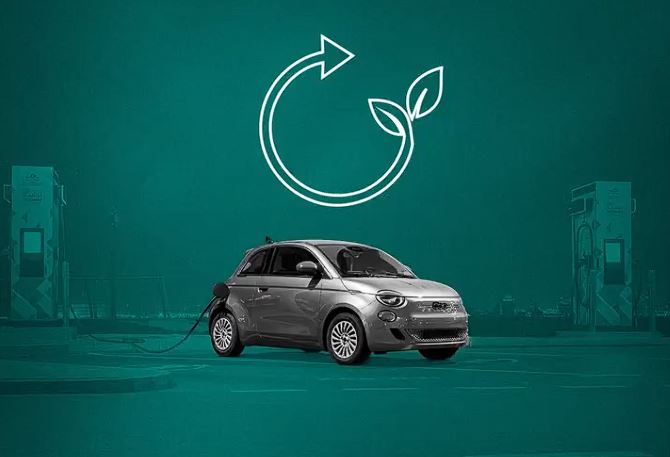
Doha, Qatar is on a transformative journey to enhance its energy generation and transportation systems, as outlined by the National Planning Council (NPC) in their latest initiative. This ambitious project is part of the Third National Development Strategy (NDS3), which aligns with the country’s vision for 2030. The NPC emphasizes the need to innovate and modernize to meet both economic and environmental goals.
Innovative Energy Solutions
The NPC recently shared insights on social media regarding Qatar’s plans to revolutionize its energy production and distribution methods. The country aims to implement state-of-the-art carbon capture and storage technologies while simultaneously expanding its renewable energy infrastructure. Rather than focusing narrowly on decreasing energy consumption, Qatar is choosing to enhance its energy production methods by increasing the use of low-carbon fuels. This strategic pivot not only aims to modernize energy sources but also ensures a sustainable approach to energy consumption as the nation evolves.
Electrification of Transportation
Another key initiative is the electrification of Qatar’s transportation network. This move is set to improve urban mobility, making public transit cleaner and more efficient. By investing in electric transport solutions, Qatar is proactively addressing the challenges associated with urban air quality. This project is part of a larger commitment to creating a more sustainable lifestyle within the country.
Environmental Conservation Initiatives
The NPC’s strategy goes beyond mere energy transformation. It also encompasses extensive environmental objectives aimed at preserving the nation’s natural resources. Under current plans, Qatar intends to designate 30% of both its land and marine territories as protected areas. This initiative not only secures natural habitats but also aligns with the broader goals of sustainability and biodiversity.
Additionally, the NPC reports that conservation efforts will focus on rehabilitating 30% of degraded ecosystems. This is an essential step to ensure that biodiversity remains intact despite ongoing urban and industrial development. These initiatives highlight a holistic approach to growth, emphasizing that economic advancement does not have to come at the expense of the environment.
Implementation of Circular Economy Principles
To combat pollution and lessen environmental degradation, Qatar is embedding circular economy principles into its primary commercial and industrial operations. This approach includes systemic waste reduction, the enhancement of recycling capabilities, and the promotion of sustainable consumption habits. By encouraging businesses and residents to minimize waste and recycle more, Qatar aims to create a more environmentally responsible society.
Water conservation is another critical aspect of this strategy, particularly given the country’s challenging climate conditions. The NPC emphasizes the goal of reducing groundwater extraction by 70%, shifting instead towards sustainable and low-energy desalination methods, such as reverse osmosis. By prioritizing these initiatives, Qatar is working diligently to secure a sustainable future for its people while preserving its natural landscapes and ecosystems.
In summary, Qatar is taking bold and innovative steps to align its energy and transportation systems with its environmental objectives. By implementing advanced technologies, promoting sustainable practices, and safeguarding its natural resources, the nation aims to create a resilient and thriving economy that benefits future generations.