
On September 8, 2026, Turkey strongly condemned the organization of a funeral for Ratko Mladic, a figure notorious for his role in the Bosnian genocide. The Foreign Ministry characterized this ceremony as “unacceptable,” emphasizing the grave implications of commemorating individuals convicted of heinous crimes against humanity.
International Reaction to Mladic’s Funeral
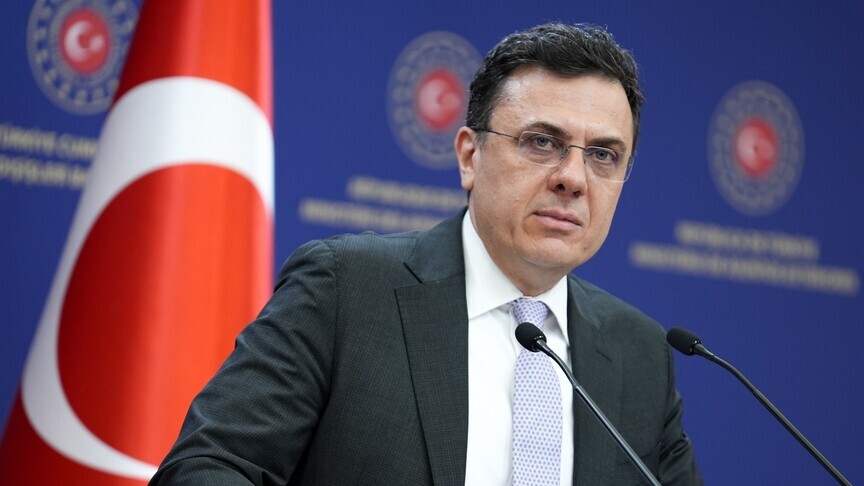
According to spokesperson Oncu Keceli, the acknowledgment of Mladic’s funeral as a means to deny the atrocities committed during the Bosnian War is deeply troubling. “It is unacceptable for the funeral ceremony of Ratko Mladic, who has been conclusively judged by international courts for genocide, crimes against humanity, and war crimes, to be turned into a tribute that obscures the severe suffering inflicted on countless lives,” he remarked.
Keceli highlighted that forwarding narratives that glorify convicted war criminals exacerbates the pain for victims and their families, undermining ongoing efforts towards peace and reconciliation in the Balkans. Such actions reflect a broader challenge in addressing historical wounds and complicate the fragile journey toward a unified future in the region.
The Need for Regional Healing
Keceli stressed the importance of learning from past conflicts as the Balkans strive for a peaceful, prosperous, and collaborative future. “We must recognize the sacrifices of those who perished during the Bosnian War,” he urged, particularly honoring the victims of the Srebrenica genocide, where over 8,000 Bosniak men and boys lost their lives.
His comments resonated with a collective memory that seeks to ensure that such atrocities are never repeated. The call for solidarity with the families of the victims is indicative of Turkey’s commitment to fostering empathy and understanding among nations still grappling with the legacies of war.
Mladic’s Legacy of Violence
Mladic, the former commander of the Bosnian Serb Army, passed away on August 27 at the age of 84 while serving a life sentence for his crimes. He was found guilty of orchestrating mass violence during the Bosnian War from 1992 to 1995, with the Srebrenica massacre being one of the most infamous acts attributed to his leadership. This incident, one of Europe’s darkest chapters, involved the systematic killing of thousands of Bosniak men and boys, marking a pivotal moment in the history of human rights violations.
In response to Mladic’s death, Serbian President Aleksandar Vucic extended an offer to facilitate his burial in Serbia. This move has sparked further debate and controversy, emphasizing the ongoing divisions within the region regarding how to address its traumatic past.
Looking Ahead
As Turkey and the international community react to the fallout from Mladic’s funeral, it becomes imperative to focus on creating pathways for healing and understanding. The echoes of history serve as a reminder that acknowledging past injustices is a crucial step in forging a future defined by peace and cooperative coexistence.
Despite the challenges ahead, there is hope that collective remembrance and reconciliation can pave the way toward a stable and inclusive society, ensuring that the lessons of the past inform the direction of the region’s future.