
In a significant move towards enhancing regional stability, Qatar and the UAE have jointly articulated their vision for security in the Gulf. In individual statements, both nations emphasized the necessity for Gulf countries to independently address relations with Iran while adapting to ongoing conflicts. This united stance reflects the urgency of reshaping interactions to mitigate the far-reaching impacts of the war.
Strengthening Regional Defense Mechanisms
Qatar’s Foreign Ministry spokesperson, Dr. Majed Al Ansari, has urged Gulf nations to bolster their defense strategies and reduce dependence on the United States for security. Speaking at the Hili Forum in Abu Dhabi, Al Ansari expressed the need for self-sufficiency: “We cannot rely on international forces alone; self-sufficiency in security is the only path forward.” This call to action emphasizes that while alliances are crucial, the nations of the Gulf must prioritize their own security mechanisms.
Qatar hosts the largest U.S. military base in the Middle East, highlighting the importance of U.S. support. However, recent Iranian attacks — claimed by Tehran to be aimed at U.S. interests — have spurred Qatar to vigorously deny these claims, asserting that such strikes impacted civilians and economic targets within its borders. This underscores the complexity of regional security dynamics and the need for Gulf nations to assert further autonomy in their defense strategies.
Rebuilding Trust with Iran
Anwar Gargash, the presidential diplomatic adviser of the UAE, shared insights at the same forum, highlighting the urgency of mending relations with Iran. He stated, “Geography leaves us no alternative to engagement.” Gargash pointed out that restoring trust between the nations will require consistent actions rather than mere words, as trust is built on tangible commitments. “Trust is the mountain we will have to climb,” he remarked, distinguishing between necessary functional engagement and the greater challenge of rebuilding trust that has been eroded.
Emphasizing the seriousness of the situation, Gargash noted that Iran’s military actions against the UAE and its Gulf neighbors were premeditated and violate international law. His comments suggest that the UAE believes a more collaborative approach among Gulf states is essential to effectively address and respond to these threats. Both Al Ansari and Gargash agree that while partnerships with countries like the U.S. remain vital, Gulf nations must develop their own strategic capabilities to ensure lasting security.
Ensuring Freedom of Navigation in the Strait of Hormuz
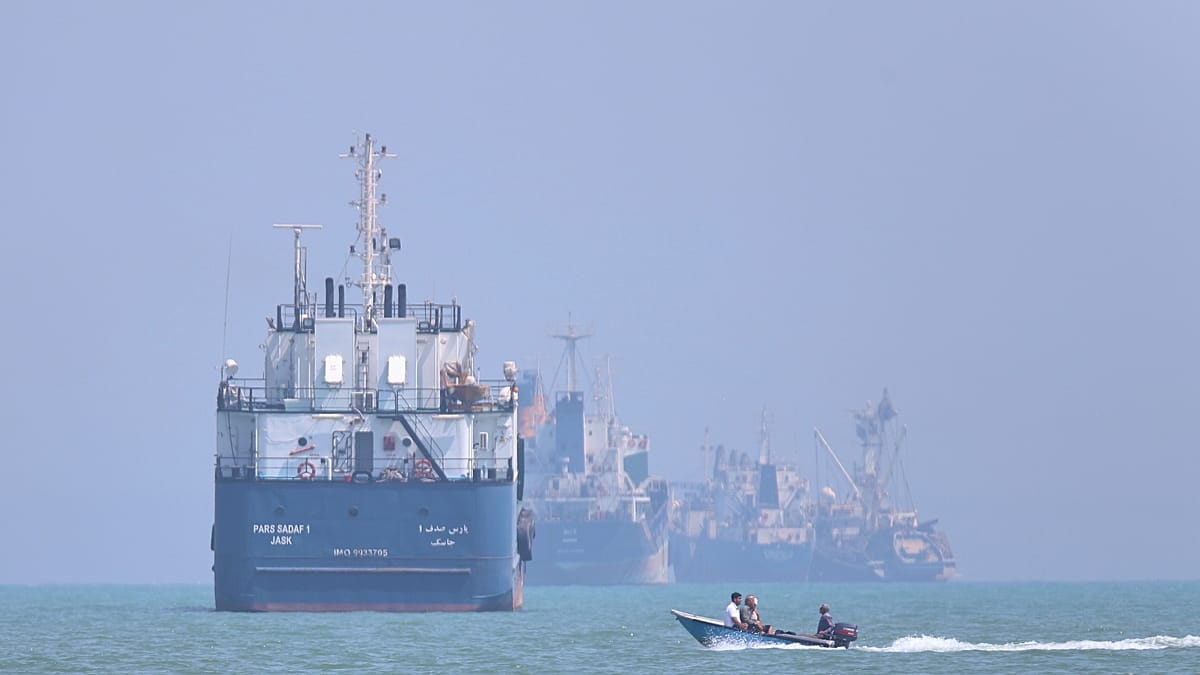
A point of common understanding between Qatar and the UAE is the importance of safeguarding the Strait of Hormuz, a vital shipping route. Gargash firmly stated that the Emirati stance rejects any single country’s claim to control this strategic waterway. He emphasized the unacceptability of oil tankers being targeted as they navigate through the strait. “Our energy exports will not be held hostage,” he declared, reinforcing the need for unhindered maritime trade.
Gargash acknowledged that both nations are committed to exploring alternative routes for exports and enhancing local infrastructure, such as ports and pipelines, to ensure that their economies are not jeopardized. In alignment with this, Al Ansari articulated that the security of the Gulf is inextricably linked to global energy security and trade.
In conclusion, Qatar and the UAE are setting a clear regional agenda focused on self-sufficiency, rebuilding relationships, and safeguarding crucial maritime routes. Their unified approach signals a commitment not only to enhance their own security but also to stabilize the Gulf region in the face of ongoing challenges. As they work toward stronger defense mechanisms and cooperative frameworks, the future of Gulf security appears to hinge on their willingness to engage with each other and navigate the complexities of their regional landscape.