
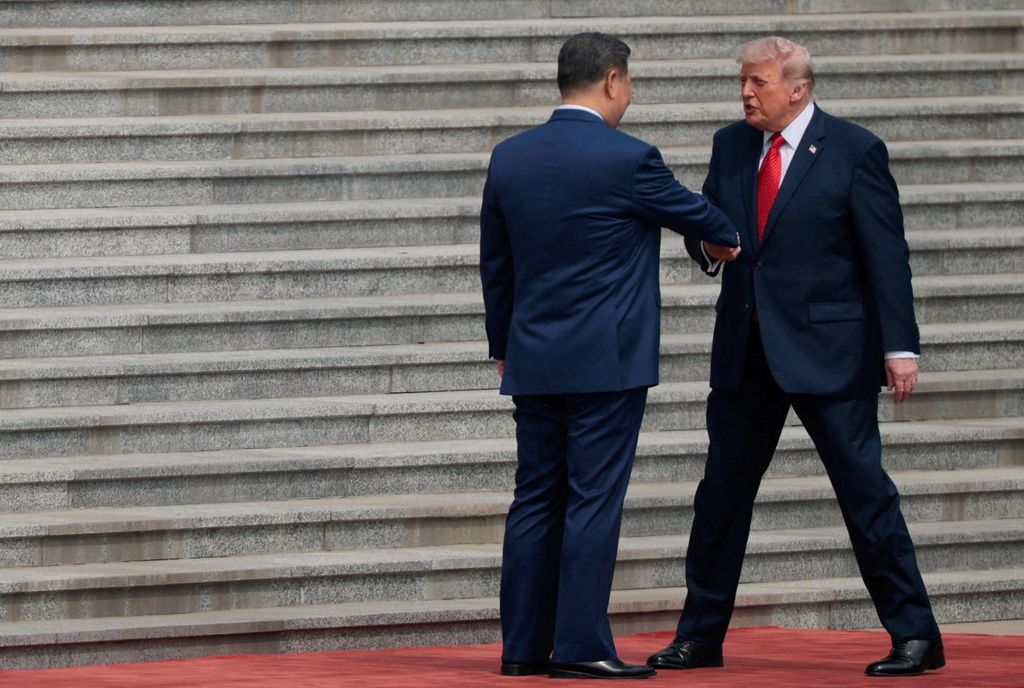
During his journey back from China, President Trump addressed the media, asserting, “We’ve resolved many issues that others couldn’t have.” However, two significant matters—the relationship between China and Iran and the U.S. backing of Taiwan—remain unresolved.
Unpacking China’s Support for Iran
China and Iran have fostered a deep-rooted alliance, largely anchored in economic and military collaboration. This partnership has raised concerns among Western nations, particularly the United States, as China has increasingly provided support for the Iranian regime. This relationship is not merely transactional; it extends to significant military agreements and trade deals, enhancing Iran’s capabilities. The concern is twofold: on one hand, China gains access to vast energy resources from Iran, while on the other, it strengthens Iran’s position in the Middle East, complicating U.S. interests in the region. As Iran faces mounting international pressure, China stands as a key ally, reinforcing Iran’s market access and military prowess, which poses a challenge that was not addressed during Trump’s discussions in China.
The U.S. Stance on Taiwan
On the flip side of the geopolitical chessboard, the United States maintains its traditional support for Taiwan, a point of intense contention with China. Taiwan is viewed by China as a breakaway province and is determined to unify it with the mainland, by force if necessary. The U.S., recognizing Taiwan’s significant strategic importance in the Indo-Pacific region, has supported its aspirations for self-governance and diplomatic recognition. Trump’s administration, while attempting to navigate trade issues with China, also emphasized the importance of Taiwan as an ally. The continuously tense situation in the Taiwan Strait has left many wondering if any real progress was made to address this heated issue during Trump’s visit to China.
Implications of Unresolved Issues
The failure to resolve issues involving Iran and Taiwan during Trump’s discussions with Chinese leaders has significant implications for international relations. With Iran increasingly dependent on Chinese support, the U.S. finds itself in a tricky position, balancing outreach to its allies in the Middle East while managing relations with Beijing. Likewise, a firm stance on Taiwan is crucial for maintaining U.S. influence in the Asia-Pacific region. By not addressing these persistent issues, the potential for conflict remains heightened, underscoring the importance of ongoing diplomatic efforts.
These unresolved challenges will likely take center stage in future U.S.-China relations, especially as global dynamics shift. With growing tensions worldwide, particularly regarding China’s military assertiveness, it remains crucial for U.S. policymakers to consider how to effectively engage with China while safeguarding American interests in the region.
Through careful navigation of these relationships, the U.S. can work towards establishing a more stable strategic environment, not just for itself but for its allies. The geopolitical chess game continues, and how the U.S. addresses the complexities between China, Iran, and Taiwan will define its global standing and influence in the years to come.