
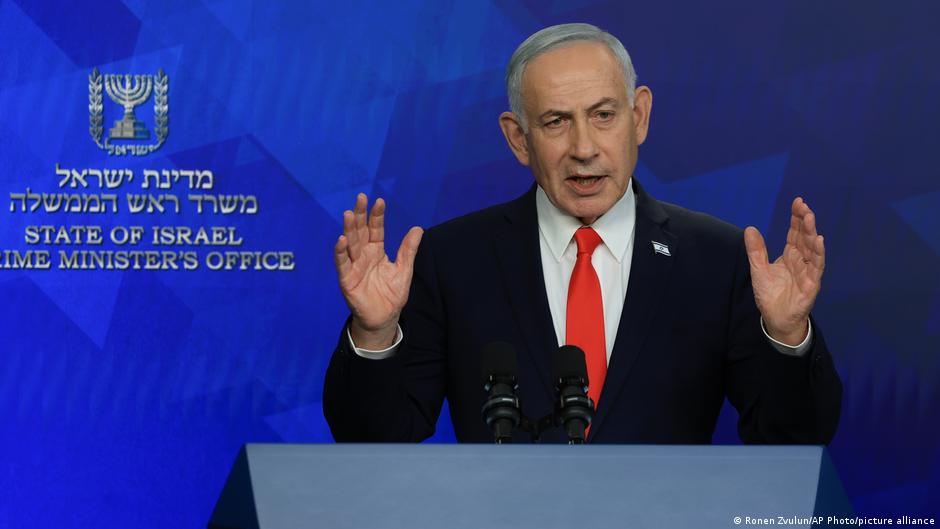
Israeli Prime Minister Benjamin Netanyahu’s office has strongly refuted claims from the Israeli newspaper Haaretz regarding an alleged warning from the United Arab Emirates (UAE) about impending Hamas attacks prior to October 7, 2023. This denial adds another layer to the ongoing discussions surrounding accountability and intelligence failures leading up to one of the deadliest terrorist incidents in Israeli history.
Context of the Allegations
The report from Haaretz suggested that UAE President Mohammad bin Zayed had communicated with Netanyahu ten days before the assault, warning him about potential operations planned by Hamas and its leader Yahya Sinwar. That conversation purportedly highlighted concerns that a significant attack could not only threaten Israel’s security but also destabilize the fragile agreements established under the Abraham Accords, which normalized relations between Israel and several Arab nations starting in 2021. Despite the publication of this report, the UAE’s Foreign Ministry declined to directly corroborate it, instead noting that intelligence would be shared when necessary.
In the reported conversation, Netanyahu reportedly received the warning with “relative calm,” asserting that Israel was equipped to handle any situation. He indicated that he believed a threat was more likely to emerge from the West Bank rather than Gaza. This stance has raised questions about the adequacy of Israel’s preparedness in responding to such threats, especially given the subsequent attacks that led to catastrophic loss of life.
Political Fallout and Accusations
The ramifications of these revelations come amid a politically charged atmosphere in Israel, particularly with elections on the horizon. Former military chief Gadi Eisenkot, representing a centrist political faction, has criticized Netanyahu for leading the nation into what he describes as a disaster. Drawing attention to the alleged warnings, Eisenkot has called for an official inquiry into the failures leading up to the October 7 attacks, a request that has been dismissed by Netanyahu.
Further compounding Netanyahu’s challenges, other political figures, including former Prime Minister Naftali Bennett and Yair Golan of the center-left Democrats party, have leveled direct accusations against him, asserting that he bears significant responsibility for the tragedy that befell Israel. Golan even expressed his views through social media, emphasizing that Netanyahu had ignored repeated warnings, thus putting innocent lives at risk.
Consequences of the October 7 Attacks
The October 7 attacks resulted in approximately 1,200 deaths and numerous instances of hostage-taking, marking the darkest day for Jewish people since the Holocaust. In response, Israel launched extensive military operations against Hamas in Gaza, which have reportedly resulted in high Palestinian casualties as well. The humanitarian impact of these strikes has drawn international scrutiny, leading to allegations of disproportionate use of force and concerns regarding civilian safety.
As the situation continues to evolve, the implications of the October 7 attacks will likely resonate through both Israeli and Palestinian communities for years to come. The call for accountability within Israeli leadership regarding intelligence failures raises broader questions about governance, security, and the enduring conflict in the region.