
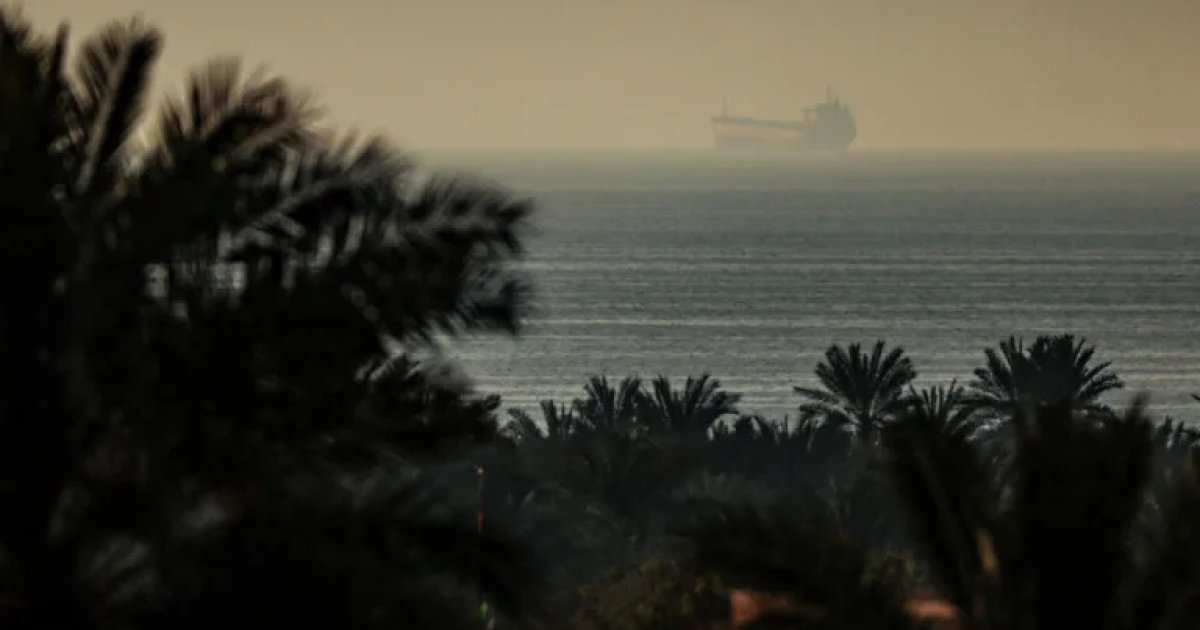
The United Arab Emirates (UAE) is proactively developing alternative export routes to diminish its reliance on the increasingly volatile Strait of Hormuz. This shift comes in light of heightened tensions stemming from the ongoing conflict between the United States and Iran, which has led to significant disruptions in maritime trade.
Strengthening Infrastructure on the Eastern Coast
The UAE is focusing on bolstering its infrastructure along the eastern coast, which borders the Sea of Oman. This strategy aims to redirect a larger volume of energy and commercial shipments away from the Strait of Hormuz. Anwar Gargash, the diplomatic advisor to the Emirati president, emphasized that this diversification strategy is crucial for enhancing economic resilience and national security, especially when maritime safety is threatened by attacks and restrictions that have been hampering one of the world’s vital energy shipping routes.
Regional Tensions and Market Impact
The Strait of Hormuz remains a hotbed of geopolitical tensions. Recently, Iran has intensified its threats and restrictions on navigation, leading to targeted attacks on commercial vessels within this crucial waterway. Reports suggest that Iran is planning to establish a new restricted maritime zone near the Strait, causing alarm among shipping companies and Gulf nations alike. These developments have significant implications for global markets, as concerns over supply disruptions have driven crude oil prices higher, with Brent nearing the $100 mark per barrel. For the Emirates, which relies heavily on hydrocarbon exports, developing new land and port channels is vital for ensuring uninterrupted trade while minimizing geopolitical risks.
Strategic Autonomy for Gulf Nations
Anwar Gargash underscored the importance of achieving greater strategic autonomy for Gulf countries. He argued that the collective regional response to Iranian provocations has not matched the level of threat posed, despite the individual defense capabilities some nations have developed. Gargash advocated for a diplomatic resolution, acknowledging that rebuilding trust with Tehran is likely to be a gradual and challenging process.
Future of Trade Corridors
The statements made by Gargash were delivered at the Hili Forum 2026 held in Abu Dhabi, focusing on critical issues such as security, energy, trade, technology, and the strategic corridors in the Gulf region. While the UAE and its neighbors are working toward enhancing their trade routes, this does not imply that the significance of the Strait of Hormuz will diminish in the near term. As Qatar highlighted during the same forum, this maritime route continues to play a pivotal role in global trade, particularly for oil, gas, fertilizers, and other industrial goods. The UAE’s new infrastructures aim to provide additional options when maritime operations encounter disruptions, thereby securing economic stability.
In conclusion, the UAE is taking significant steps to diversify its trade routes in response to rising geopolitical tensions, particularly those originating from the Strait of Hormuz. By strengthening its eastern coast infrastructure and advocating for strategic autonomy, the Emirates aims to bolster both national security and economic resilience in the face of ongoing challenges.