
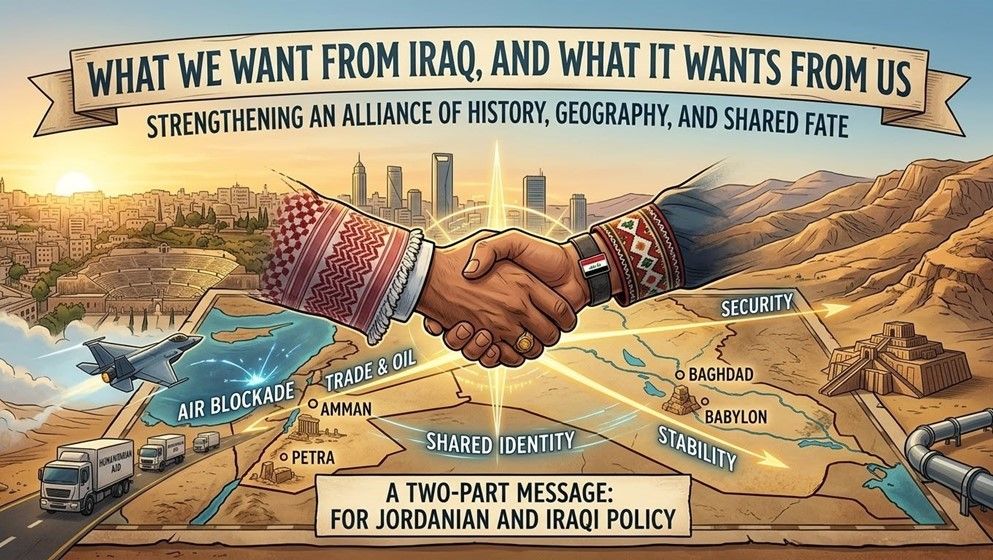
The relationship between Jordan and Iraq holds substantial significance, especially amid current geopolitical dynamics. Both countries share a historical and cultural bond that must not be undermined by transient tensions or the agendas of a few individuals. It’s crucial for both nations to engage in constructive dialogue, ensuring that external influences do not drive a wedge between them.
Historical Connections and Shared Experiences
My personal experiences in Iraq have deepened my understanding of this vital connection. During four visits—two by land under Saddam Hussein’s rule and two by air after his regime fell—I have traversed cities where I witnessed the impact of international sanctions on the Iraqi population. On my first trip, I journeyed with a delegation that aimed to initiate a dialogue post-air blockade. Each visit revealed a vibrant culture and a warmth from the Iraqi people that was palpable. No matter the political climate, we were always welcomed, a testament to the deep-seated ties that exist regardless of political shifts.
However, recent sentiments expressed by a minority of Iraqis suggest a disconnect that must be urgently addressed. Since the onset of the Iraq War in 2003, there have been episodes of unfounded hostility towards Jordan, often fueled by misinformation or influenced by foreign agendas. Comments made by certain Iraqi factions, insinuating military action against Jordan, are alarming and reflect a disconnection from the historical context of our shared border and mutual interests.
The Danger of Divisive Narratives
It’s concerning to witness a select few leverage divisive rhetoric that targets Jordan, despite our longstanding friendship as neighbors. Such negative narratives can undermine the broader Arab identity that both nations share. Tensions have uniquely manifested in various public forums—from sports events to parliamentary discussions—driving a wedge between ordinary citizens who do not harbor these sentiments.
Jordan has extended its hand to millions of Iraqi refugees over the years, providing sanctuary during dire times without ever expecting anything in return. Strategically, Jordan plays a critical role as a stabilizing force for Iraq; thus, it’s essential for Iraqi leaders to recognize this partnership for safety and mutual benefit. The narrative of animosity does not serve either nation’s interests and should be challenged head-on.
Messages for a Collaborative Future
Today, it’s imperative for Jordan to strengthen its ties with Iraq and foster dialogue among its people to combat the rising sentiment of estrangement. Jordanian officials have persistently advocated for a solid relationship with Iraq since 2003, recognizing that the challenges at hand are not merely political disagreements but fundamental issues concerning regional stability and security. We must stand firm in this commitment, understanding that the stakes involve more than economics; they touch upon our collective futures as neighbors.
Conversely, Iraqi policymakers must prioritize the relationship with Jordan, recognizing that emotional responses can jeopardize strategic alliances. In a world rife with external threats, it’s vital for Iraq to reassess its stance and engage positively with Jordanian leadership. Ensuring that divisive rhetoric does not proliferate could pave the way for a more united and secure Arab world.
In conclusion, the essence of our relationship rests on mutual respect and understanding. We cherish Iraq as a crucial ally, and we are committed to nurturing this bond through thick and thin. By emphasizing cooperation and shared interests, both nations can work towards a more stable and prosperous future.