
Türkiye’s Energy and Natural Resources Minister Alparslan Bayraktar has urged both Qatar and European nations to demonstrate the political commitment necessary for advancing a long-discussed pipeline. This pipeline aims to transport Qatari natural gas through Türkiye to Europe, presenting an alternative supply route amidst ongoing disruptions in the Strait of Hormuz. Bayraktar emphasized the urgency for collaboration during a recent televised interview.
Reviving the Qatar-Europe Gas Pipeline
The concept of a pipeline linking Qatar to Türkiye first emerged in 2009, coinciding with Qatar’s ambition to boost exports from the North Field gas reservoir. Initially considered as a potential energy source for the Nabucco pipeline, designed to carry gas from the Caspian region to Central Europe, the project faced obstacles, particularly the Assad regime’s opposition to a proposed route through Syria. However, with recent geopolitical shifts, the initiative has regained prominence, particularly after the regime’s changes in 2024.
Previous attempts to implement similar projects often fell flat due to a lack of sufficient gas supplies and commercial viability. The abandonment of the Nabucco project opened the door for the Southern Gas Corridor, which now facilitates the flow of Azerbaijani gas through Türkiye to Europe. The Trans-Anatolian Natural Gas Pipeline (TANAP) has become essential for European gas supplies, transporting 10 billion cubic meters (bcm) annually. Bayraktar pointed out that achieving the political will to develop TANAP and the Trans Adriatic Pipeline (TAP) was crucial, highlighting the collaborative efforts of Türkiye, Azerbaijan, and the EU.
Strengthening Ceyhan as a Regional Oil Hub
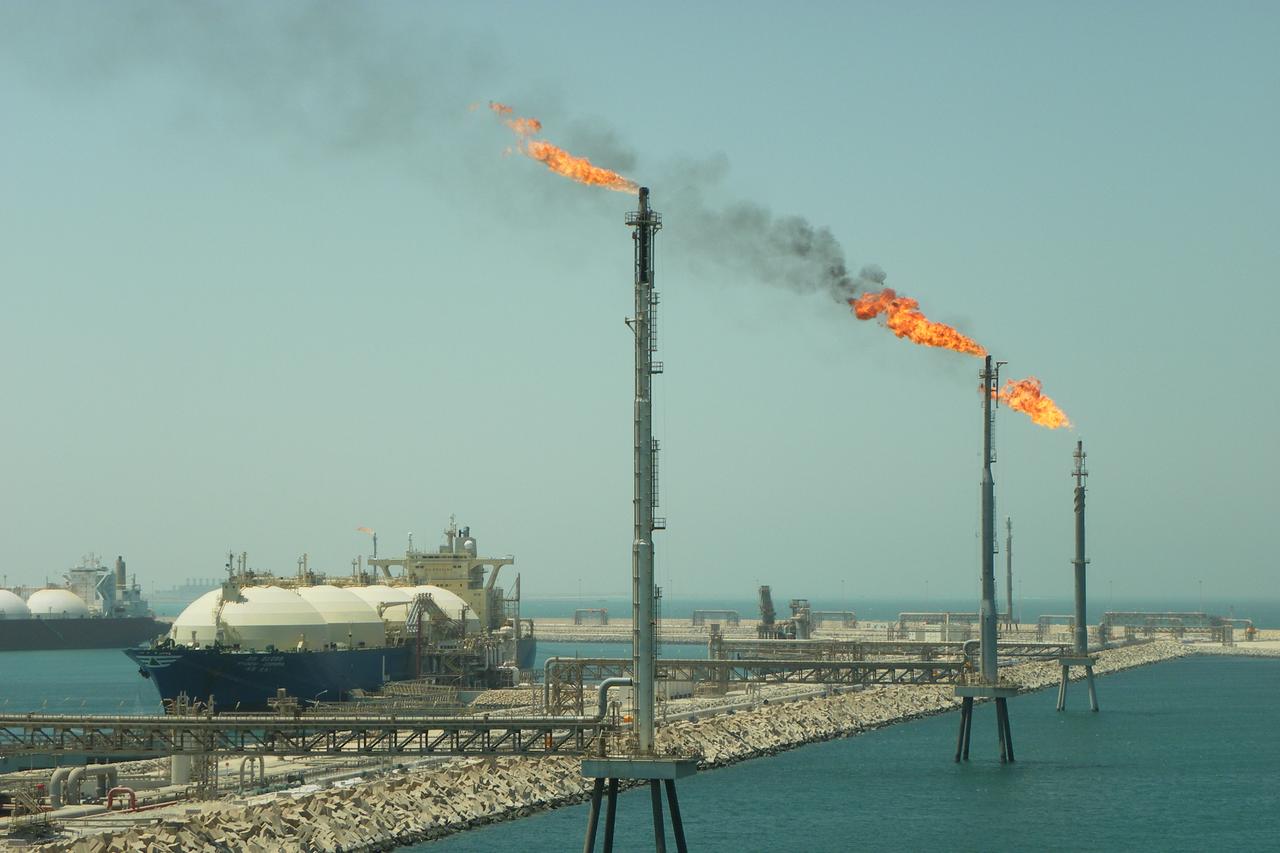
The International Energy Agency (IEA) has reported that around 93% of Qatar’s liquefied natural gas (LNG) exports flow through the Strait of Hormuz, a region currently affected by geopolitical tensions. As a response, Türkiye is positioning its existing oil infrastructure to route Iraqi and Kuwaiti crude oil to European markets, with Ceyhan identified as a key regional hub. This optimization is part of a broader strategy to address energy supply stress due to heightened regional conflicts.
Recent agreements, such as Iraq’s access to increase oil flows through the Iraq-Türkiye pipeline, aim to enhance Türkiye’s role in mitigating supply chain vulnerabilities. Bayraktar noted that existing infrastructure has the potential to expand, targeting a throughput of 2.5 million barrels per day, allowing Türkiye to tap into Iraq’s and Kuwait’s combined oil reserves effectively.
Advancing Domestic Energy Production in the Black Sea
To bolster domestic energy production, Türkiye is progressing towards electricity generation at its Akkuyu nuclear power plant, with expectations to commence operations by the year’s end. In addition, Türkiye is exploring further nuclear options, particularly in Sinop and Thrace, while collaborating with multiple international partners.
Moreover, Türkiye aims to scale up gas production in the Black Sea, with an ambitious goal of doubling output by the year’s conclusion and quadrupling it by 2028. This growth would not only enhance Türkiye’s energy independence but also reduce reliance on imported gas from Russia. Plans for increased exploration and drilling in the Black Sea are underway, and a new well is set to be drilled shortly, reflecting Türkiye’s commitment to energy self-sufficiency.
Strategic Energy Partnerships and Future Outlook
Minister Bayraktar has also indicated that Türkiye is keen to diversify its energy connections with neighboring countries like Azerbaijan and Greece. Improved interconnections are crucial as Türkiye anticipates rising electricity demand spurred by urbanization, economic growth, and advancements in technology.
In summary, Türkiye’s strategic initiatives, including the proposed Qatar-Europe pipeline, the expansion of Ceyhan as an oil transit hub, and increased domestic energy production, are part of a broader vision to establish energy independence and security. The successful execution of these projects will require cooperation among regional players and a renewed political will to foster mutually beneficial agreements in the evolving global energy landscape.