
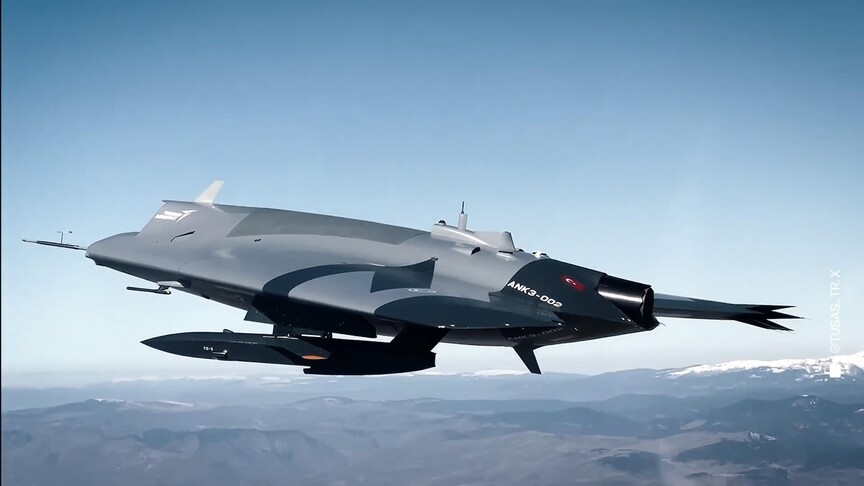
NATO has recently brought attention to Türkiye’s cutting-edge unmanned combat aerial vehicle, the ANKA III, referring to it as a prime example of the Alliance’s evolving defense strategies. This announcement underscores the collaborative efforts among member nations to enhance collective security in an increasingly complex geopolitical landscape.
Advancements in Defense Technology
The ANKA III, designed by Turkish aerospace company TUSAS, showcases significant advancements in unmanned aerial technology. NATO Allied Joint Force Command Brunssum characterized the aircraft as embodying the essence of “NATO 3.0,” reflecting a framework where member nations leverage emerging technologies for shared defense. The emphasis on innovative military capabilities not only strengthens national borders but also contributes to the protection of allied interests across the globe.
The aircraft’s advanced features, including stealth capabilities and enhanced operational range, position it as a formidable asset in modern warfare. Its development highlights the growing trend among NATO members to invest in next-generation military systems, which aim to facilitate immediate response and adaptability in various conflict environments.
Collaboration Among Allies
In a recent update via the social media platform X, NATO confirmed that the capabilities of Türkiye’s ANKA III align with decisions made during the NATO Ankara Summit. Member states, particularly European Allies and Canada, are increasingly taking on greater responsibilities in ensuring shared security. The call for collaborative efforts is a testament to the evolving security needs that the alliance must address.
Moreover, NATO’s acknowledgment of the ANKA III indicates a broader trend of allied nations enhancing their defense industries. This ambition aligns with the concept of “NATO 3.0,” where the emphasis is placed on collective security through technological advancements and shared resources. The emphasis on collaboration signifies an approach that is more proactive rather than reactive.
The Implications for NATO’s Future
NATO’s focus on groundbreaking technology like the ANKA III speaks volumes about its future direction. The commitment to integrating state-of-the-art platforms ensures that the alliance remains relevant in contemporary security dialogues. By prioritizing technological innovations, NATO member countries are taking significant steps toward establishing a robust defense posture that is adaptable and resilient.
As NATO solidifies its collaborative framework, the implications extend beyond just military preparedness; it fosters a culture of innovation among member nations. This strategic focus encourages continuous improvement in defense systems, enhancing overall alliance strength. With movements like these, NATO is on the front lines of modern military evolution, poised to respond to potential threats effectively.
In conclusion, the emphasis on the ANKA III unmanned combat vehicle underscores a significant shift in NATO’s operational capabilities. As the alliance works collaboratively to enhance defense technology, it paves the way for a stronger, more unified response to global challenges. The call for shared responsibility and technological advancement heralds a new era in collective security, ensuring that NATO remains a formidable force on the world stage.