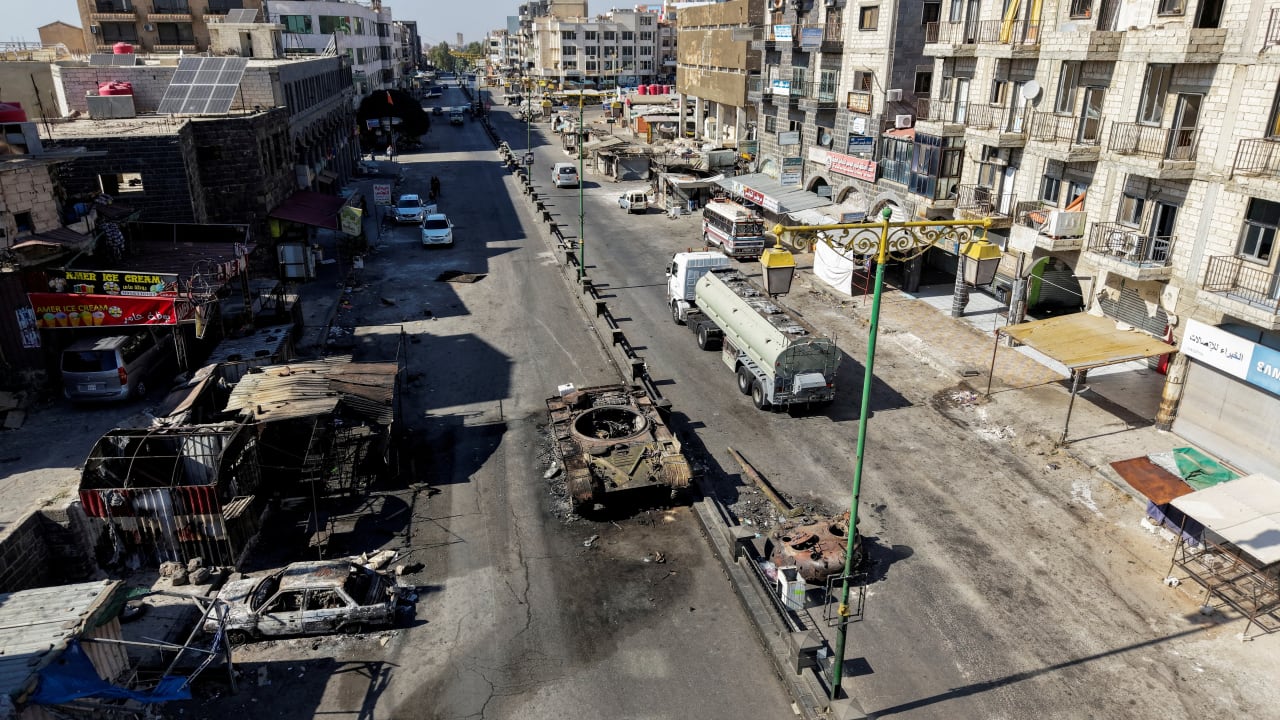
Understanding the Situation in Sweida, Syria
Sweida has emerged as a critical focal point within the restructured landscape of Syria. The complexities surrounding the province stem from the hardships faced by its Druze and Bedouin communities as well as the ongoing debates regarding its future role and interactions with the central Syrian authority.
Implications for Israeli Foreign Policy
This situation presents a pressing question for Israel: if the primary goal is to safeguard the Druze population in Sweida, what is the best course of action? Is advocating for separation or fostering a political rift with the regime truly the most effective way to ensure their protection and rights? Alternatively, is it more practical to support a political resolution similar to the approach taken by the Syrian Democratic Forces (SDF)? This route could enable the Druze to achieve political representation and guaranteed rights without necessitating the creation of an autonomous state.
Hesitating on separation appears to yield a more sustainable and secure outcome. Rather than promoting isolation from the central authority, fostering dialogue and cooperation between the Druze and the Syrian state might establish a more stable environment.
Lessons from the Syrian Democratic Forces
While the SDF has endured significant conflict with Syria, including battles in major cities, it has ultimately chosen negotiation over outright independence. By working toward a solution that acknowledges Kurdish rights within a unified state, the SDF has demonstrated that cooperation need not be synonymous with subjugation.
The implication is clear: the path forward for Sweida should not replicate the SDF’s exact model but rather draw inspiration from it. Engagement with the Syrian government can offer a means for the Druze to assert their rights without resorting to division.
The Students’ Crisis: A Reflection of Broader Challenges
The plight of students in Sweida underscores the overarching crisis. Following the recent disruption of examinations, the Syrian state made considerable efforts to facilitate testing for students. However, local armed groups effectively blocked access to examination centers, raising critical concerns about authority and governance. When armed factions can impede citizens’ access to essential services, it challenges the legitimacy of the state’s ability to provide for its people.
The fundamental question remains: if state resources are prepared and organized for civilians, who bears the responsibility for their access? This conflict should not be politicized; citizens’ rights to education and services must prevail over political struggles.
The Broader Political Landscape
It’s essential to recognize that prominent leaders, such as Sheikh Hikmat al-Hijri, do not represent the entire Druze community. Aligning policy with an individual, especially one with a controversial past, might lead to flawed conclusions in strategic relations, particularly for Israel. Al-Hijri’s historical political relationships raise concerns about his ability to foster stability and protect the interests of all Druze citizens.
Moreover, focusing solely on the most vocal figures can lead to misguided decisions that overlook the complexity of the Druze population and their needs. A comprehensive approach that considers various viewpoints within the Druze community will better serve Israel’s long-term objectives.
In conclusion, the challenges faced by Sweida and its residents highlight the need for a nuanced approach to Israeli and Syrian policies. Instead of partitioning or exacerbating the existing tensions, there is merit in striving for a collaborative framework within a unified Syrian state. This would not only benefit the residents of Sweida but also contribute to the stability of the broader region.