
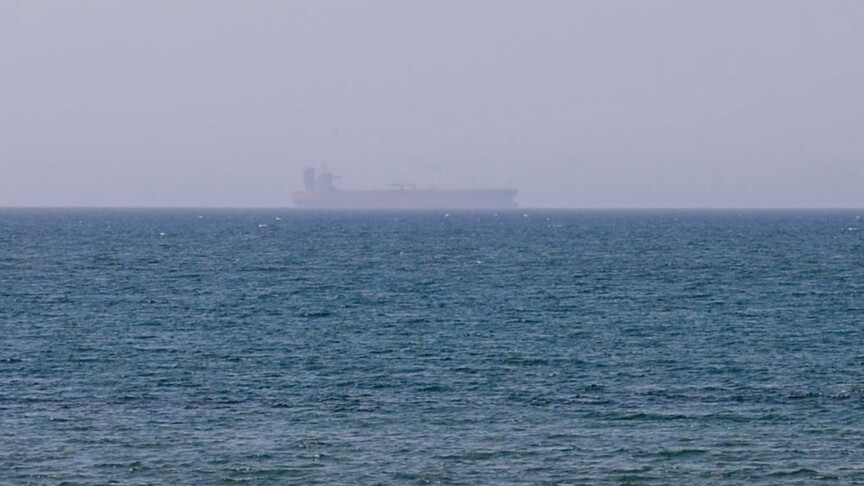
On September 9, 2026, Iraq reported an incident involving an oil tanker managed by the Iraqi Oil Tankers Company that came under fire. The event raised concerns within the oil industry and prompted a government investigation.
Details of the Incident
According to the Iraqi Oil Ministry, the tanker was operating within Iraq’s territorial waters when it was struck by an unidentified source. The attack resulted in minor damage to the hull of the vessel, but fortunately, there were no casualties or injuries reported among the crew members. The Ministry took to social media to provide updates, reassuring the public that the integrity of the oil tanker remained intact, with no leakage of fuel into surrounding waters.
Investigation Underway
In the aftermath of the incident, Iraqi authorities emphasized their commitment to uncovering the facts surrounding this attack. Investigators have been deployed to gather evidence and determine the source of the strike as well as the circumstances leading up to it. This investigation aims to enhance maritime security and ensure that such incidents are prevented in the future.
Implications for Iraq’s Oil Industry
The oil sector is a significant contributor to Iraq’s economy, making the safety of its operations paramount. This incident highlights ongoing vulnerabilities in maritime security and poses potential risks to the oil supply chain. As a major oil producer, any disruption can have wide-ranging effects on both local and global markets. Stakeholders will be closely monitoring the outcomes of the investigation to assess the potential impact on future operations.
Conclusion
In summary, the attack on the oil tanker in Iraq’s territorial waters marks a troubling episode for the nation’s crucial oil industry. With a thorough investigation underway, authorities are focusing on understanding the incident’s cause and its implications. As Iraq navigates these challenges, both the government and industry leaders must prioritize maritime safety to safeguard the nation’s economic interests and maintain stable oil production.