
Rising Oil Prices Amidst Iranian Conflict: Trump’s Predictions
President Donald Trump recently suggested that the ongoing conflict between the U.S. and Iran is causing a spike in oil prices that likely won’t decrease until after the upcoming midterm elections. As geopolitical tensions rise, consumers and lawmakers alike are feeling the pinch from escalating fuel costs.
Impact of Geopolitical Tensions on Oil Prices
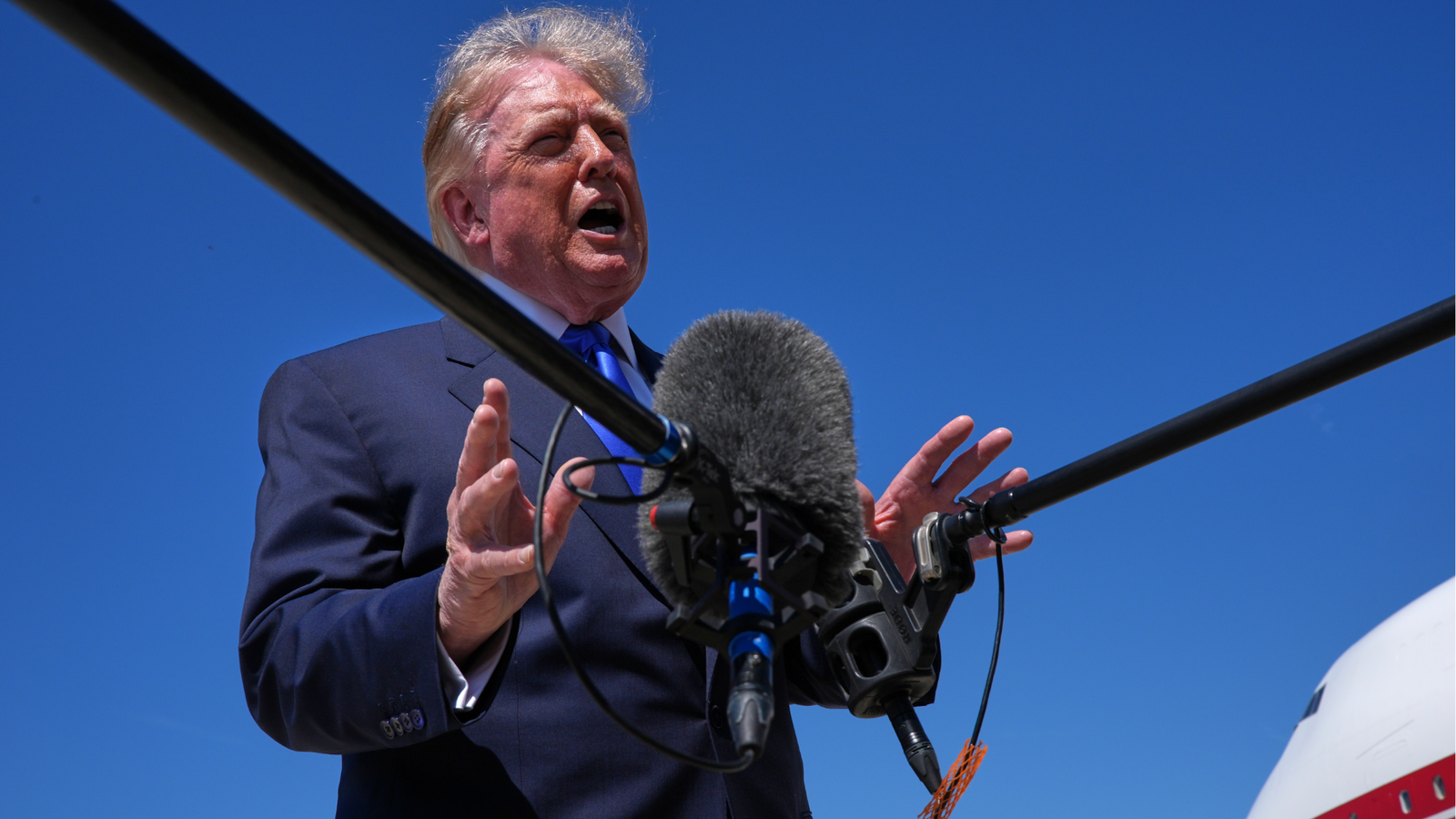
On Wednesday, oil prices surged by over 3%, with international Brent crude crossing the $100 mark for the first time since July. Trump’s comments reflect a growing concern about how these rising costs are affecting American households. While speaking to reporters before heading to Dallas for a Republican convention, Trump expressed that it might take some time before prices stabilize: “I think it’s going to take a little bit longer than the midterm,” he stated, alluding to an anticipated downturn in the oil market soon after the elections.
This volatile situation comes at a time when approximately 20% of the world’s oil supply passes through the Strait of Hormuz, a crucial channel for oil transport. The U.S.-Israel conflict against Iran has resulted in a notable slowdown in oil transportation, contributing further to market instability.
Trump’s Outlook on the War and Elections
Trump emphasized his belief that Iran will relent once U.S. elections conclude. “They’re desperate to try and affect the election,” he commented, adding that he expects the conflict to cease immediately after the votes are counted. His statements suggest a broader strategy to frame the outcome of the elections as pivotal for both U.S. security and oil market stability.
Interestingly, Trump’s earlier assertion that the war would be resolved in mere weeks has proven overly optimistic, as the conflict is now entering its seventh month without any clear end in sight. This acknowledgment highlights the complexity of the situation, with many voters now concerned about rising inflation and high gas prices as they navigate their daily lives.
Political Pressure on Gas Prices and Strategic Reserves
The current administration is under significant pressure to address escalating gas prices, especially as the midterm elections loom. Trump’s previous remarks downplayed the conflict’s severity, labeling it as “small potatoes,” although rising fuel costs remain a pressing issue for the electorate. Earlier in August, the U.S. had to tap into its strategic petroleum reserves, which have since dwindled to under 300 million barrels— a decrease of over 100 million barrels since early 2026.
Vice President JD Vance recently declined to predict the war’s conclusion by the midterm elections, opting instead to avoid establishing “artificial timelines.” He remarked that the unpredictability of Iranian actions makes it difficult to forecast an end date, indicating the complexities involved in the ongoing conflict.
Current Market Conditions and Future Predictions
As of Wednesday, U.S. benchmark crude prices were around $96 a barrel, leading to sharp increases in gasoline prices overnight. The average cost for regular gasoline rose to $4.22 per gallon, which is over a dollar higher than last year at this time. Additionally, diesel prices have reached an all-time high, affecting shipping and production costs and further impacting consumers.
With airline operators having to adjust their schedules and pricing due to soaring jet fuel costs, the consequences of this conflict extend beyond just household budgets; they are reshaping entire sectors of the economy. As the U.S. military continues to engage with Iranian forces, market fluctuations are expected to persist, leaving many concerned about the political and economic implications for the near future.