
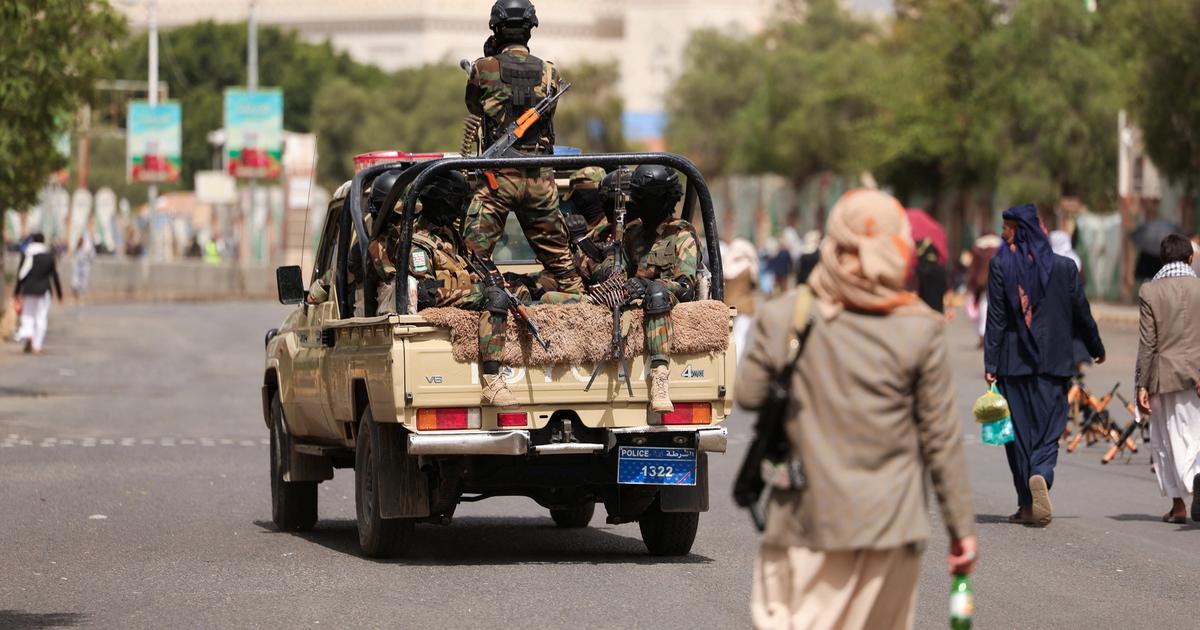
Houthi rebels recently announced that Saudi Arabia has initiated airstrikes in Yemen, intensifying the conflict between the Iran-supported group and the Kingdom. The situation is deteriorating rapidly, suggesting that a full-scale war may be on the horizon.
Escalating Hostilities Between Saudi Arabia and Houthi Rebels
The tensions between Saudi Arabia and the Houthis flared up dramatically after the latter launched their most significant attack on Saudi soil since the ceasefire agreement of 2022. This offensive resulted in injuries to 73 individuals and caused significant disruptions to the country’s oil production. In response to this escalation, Riyadh has vowed to counter-attack, signaling a more aggressive military posture in the ongoing struggle for dominance in the region.
At the heart of these hostilities are two crucial shipping routes: the Bab el-Mandeb Strait in the Red Sea and the Strait of Hormuz. Saudi Arabia is currently grappling with threats to both of these vital corridors, leading to a staggering drop in oil exports to levels not seen in over a decade. The implications of this decline are profound, affecting not just the kingdom’s economy but also the global oil market.
The Houthis’ Strategic Calculations
From the perspective of the Houthis, the increasing turmoil presents a “golden opportunity” to shift the power dynamics in the region. According to a Middle East expert cited by The New York Times, the current conflict is seen as a pivotal moment for the group, which aims to leverage the chaos to its advantage. This sentiment underscores the complexity of the situation, where one side’s perceived weakness can often embolden the other to escalate their actions further.
The expert commentary suggests that a reduction in hostilities is unlikely in the near future. Reports from ACLED (Armed Conflict Location & Event Data Project) reinforce this dim outlook, indicating that both parties may double down rather than seek a diplomatic resolution. Such a continuation of violence could set the stage for prolonged conflict, with dire consequences for both regional stability and international economic interests.
Global Implications and Economic Consequences
The ramifications of the escalating conflict extend beyond the immediate region. Saudi Arabia’s waning oil exports raise alarms about potential disruptions in global oil supplies, a concern that has implications for economies around the world. The kingdom’s strategic importance in the energy sector makes it a focal point in the geopolitical landscape, and any disruptions could ripple through global markets, leading to increased prices and volatility.
Furthermore, the ongoing violence raises questions about the efficacy of diplomatic efforts aimed at resolving the conflict. As international stakeholders monitor the situation closely, the likelihood of foreign intervention or increased sanctions may also come into play as nations assess their interests in the Gulf region.
In summary, the intensifying conflict between Saudi Arabia and Houthi rebels is on the verge of escalating into a larger war, with both sides positioning themselves for sustained military action. The shifting power dynamics, combined with significant economic impacts on global oil markets, make this situation one to watch closely as it evolves.